REVIEW · BRUSSELS
Guided tour: Brussels Crime Scenes
Book on Viator →Operated by Brussels By Foot · Bookable on Viator
Crime maps, but on foot.
Brussels, Scene of Crimes is a guided crime-walk that uses actual street locations to explain how cases shaped city life in the 1800s and 1900s. I love that the tour stays respectful and fact-faithful while still letting the stories turn genuinely dark. If you want fluff, this is not it; the subject matter can be frightening and sometimes very violent.
You’ll also get a tight route that fits a morning or afternoon plan—no museum lines, just careful narration and stops around places like Place Saint-Géry and the Devil’s Corner legend. One consideration: it’s a lot of story per block, so bring comfortable shoes and mentally switch into history-thriller mode for two hours.
In This Review
- Key things to know before you go
- A 2-Hour Walk Through Brussels’ 19th and 20th Century Crimes
- Meeting at Rue de l’Etuve and Finding the Route Fast
- Grand Place Crossing: From Grandeur to Street-Level Justice
- Rue de l’Amigo: When a Hotel Corner Becomes a Crime Scene
- The Luwe Hotel story and shifting reputations
- The Hotel À la Ville de Courtrai corner: a crime of passion
- Le Coin du Diable: The Devil’s Corner Legend (and Why It Lasted)
- Place Saint-Géry: The Atrocious Crime That Captivated Brussels
- Place du Jardin aux Fleurs: A Villainous Crime With Unusual Loot
- Why the Guide’s Delivery Makes or Breaks This Tour
- Price and Value: Is $23.26 Worth 2 Hours of Story?
- Who This Tour Fits Best (and Who Might Want Something Else)
- Practical Tips to Make Your Experience Smoother
- Should You Book Brussels Crime Scenes?
- FAQ
- How long is the Brussels Crime Scenes tour?
- Where does the tour start and end?
- What’s the price per person?
- Is the ticket mobile?
- How big is the group?
- Is coffee included?
- Can I cancel for free?
- Is the tour accessible?
Key things to know before you go

- 2 hours, walking route, focused on Brussels crime history in the 19th and 20th centuries
- Small group (max 25), which helps the guide keep the pace and answer questions
- Free stop-by-stop visits with no paid admissions built into the route
- Grand Place + key corner locations, including Rue de l’Amigo and multiple squares
- Mobile ticket for an easy start, plus near public transportation access
- Stories are handled with respect for the people involved, not cheap shock value
A 2-Hour Walk Through Brussels’ 19th and 20th Century Crimes
This tour is built like a guided story you follow on sidewalks. Instead of treating crime as isolated drama, it connects cases to the way Brussels worked—social habits, policing, and the everyday pressures of city life in different eras. The result is a walk that feels like you’re reading the city’s darker footnotes in the order they happened.
It’s also the kind of experience where tone matters. The theme can be shivering and sometimes bloody, but the way it’s presented aims to be scrupulously faithful and mindful. That matters in a place like Brussels, where history lives right alongside commerce and everyday routines.
Two hours sounds short—until you realize it’s a sequence of meaningful stops, not a sightseeing sprint. You’ll cross a central anchor spot first, then move through streets and squares where the stories pick up steam.
Other dark side and crime tours we've reviewed in Brussels

Meeting at Rue de l’Etuve and Finding the Route Fast
Your tour starts at Rue de l’Etuve 1, 1000 Brussels, and it ends at Place Saint-Géry 1. Starting in a central area is a plus because you’re already close to transit and walkable connections. Ending around Place Saint-Géry is also convenient: you can easily continue exploring without backtracking across town.
Because it’s a walking format, timing is about your comfort more than speed. I suggest you show up a few minutes early so you can settle and get your phone ready for the mobile ticket. If you like planning, this is the kind of tour where a quick glance at the map before you arrive helps you feel oriented fast.
For practical comfort, wear shoes you trust on city stone. You’ll be outside for the full stretch, and the tour’s impact depends on staying present for the narration.
Grand Place Crossing: From Grandeur to Street-Level Justice
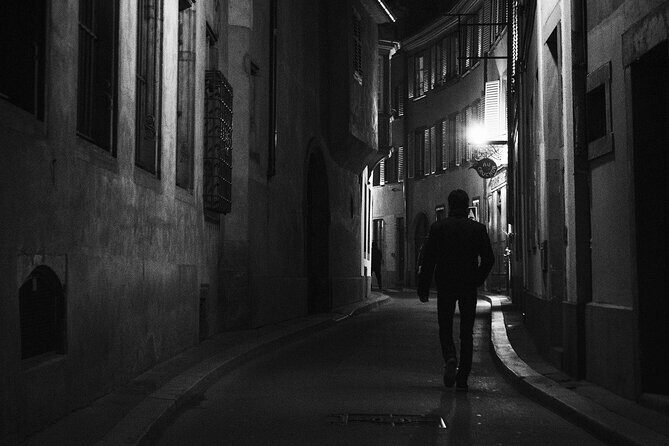
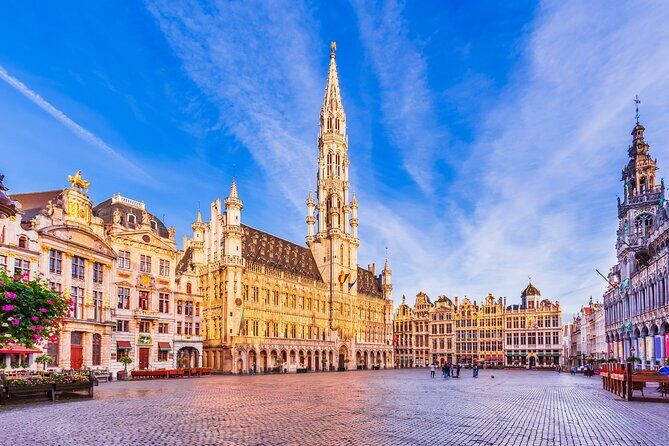
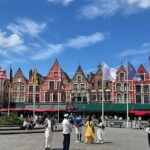
The tour begins with a crossing at the Grand Place. That first move is smart. You start in one of the most iconic public squares in Brussels, then you transition from postcard beauty to the reality that cities—especially in the 1800s—also held secrets, tensions, and violent incidents.
Think of the Grand Place moment as your palate cleanser before the darker part of the story. It also gives you a sense of scale: the crimes you’ll hear about aren’t “somewhere else.” They’re tied to neighborhoods and streets that people walked through regularly.
If you’re the type who likes context, this opening helps set up the tour’s goal: understanding Brussels society through what people did, how police responded, and how communities reacted.
Rue de l’Amigo: When a Hotel Corner Becomes a Crime Scene
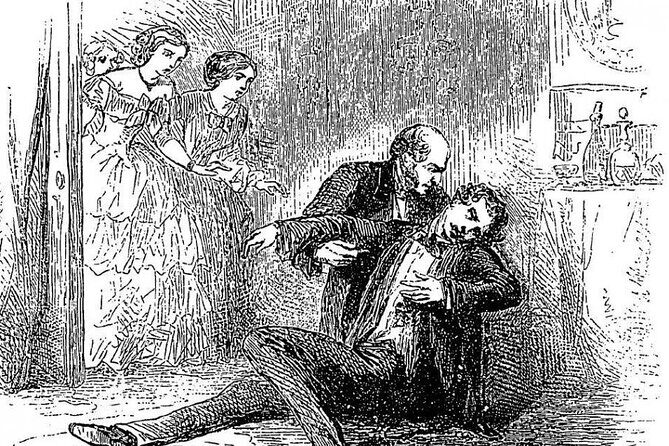
Rue de l’Amigo is where the tour turns from broad city history into specific location-based storytelling. You’ll spend time in two parts of this area, which keeps the narrative from feeling like it’s moving too quickly through one stop.
The Luwe Hotel story and shifting reputations
One stop focuses on a hotel on Rue de l’Amigo that had not always welcomed prestigious visitors. That kind of detail matters because it reframes the street as a living stage, not a frozen set. Buildings change roles, social status shifts, and the same address can carry very different meanings across decades.
Other guided tours in Brussels


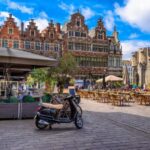
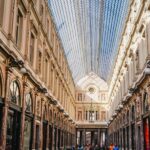

The Hotel À la Ville de Courtrai corner: a crime of passion
Another stop zeroes in on the corner of Rue de l’Amigo where the Hotel À la Ville de Courtrai sits. Here, the emphasis is a crime of passion case, told as a real incident tied to the location.
Why this works: you’re not just hearing that something happened. You’re getting pointed to a specific corner, so you can visualize how people moved, where witnesses might have stood, and how the city’s private spaces intersected with public life.
A drawback for some people: if you don’t like intimate, human-centered crime storytelling, passion-driven cases can feel more personal and intense than property crimes.
Le Coin du Diable: The Devil’s Corner Legend (and Why It Lasted)
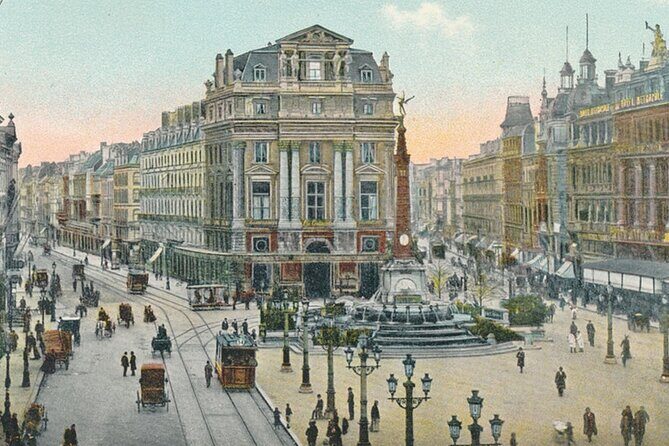
Next up is Le Coin du Diable, a legend dating from the 17th century. This stop gives you more than one century of tone. Even though the tour’s overall focus is 19th and 20th century cases, including this older legend helps show how certain themes—fear, superstition, morality—stick to the city’s geography.
The Devil’s Corner is a useful “temperature change” in the route. After realistic crime stories, you get a local legend that still affects how people talk about that spot. And because it’s a known legend, you may find yourself looking at the street differently afterward—less like a corridor, more like a place with a long memory.
If you’re sensitive to frightening content, this might actually be a relief. Legends can be scary, but they often leave room for atmosphere instead of graphic recounting. Just keep in mind the tour is still built to be a serious, respectful walk.
Place Saint-Géry: The Atrocious Crime That Captivated Brussels
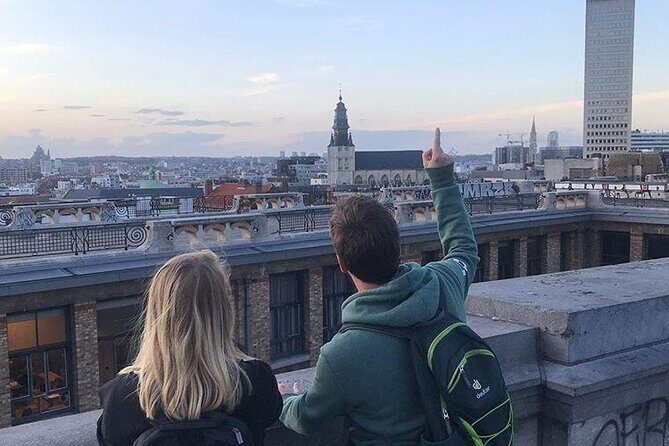
The emotional center of the walk is Place Saint-Géry. This stop focuses on a particularly atrocious crime that left three dead and fascinated Brussels in the middle of the 19th century.
That fascination detail is important. It tells you something about the era: violent events didn’t just vanish into police reports. They became social knowledge. People talked. The city absorbed the shock. And public attention helped shape how crime was viewed—who was believed, what counted as safety, and what role the police played.
As you stand in the square, the most helpful thing is to let the story do what it’s designed for: connect the past to the present through an actual place. Squares like this are meeting points, news points, and sometimes rumor points. That’s why they’re perfect for this kind of guided history.
Practical note: this stop is likely the one you’ll remember most. If you want to take photos, do it quickly and keep listening. The tour’s value is in the link between story and site.
Place du Jardin aux Fleurs: A Villainous Crime With Unusual Loot
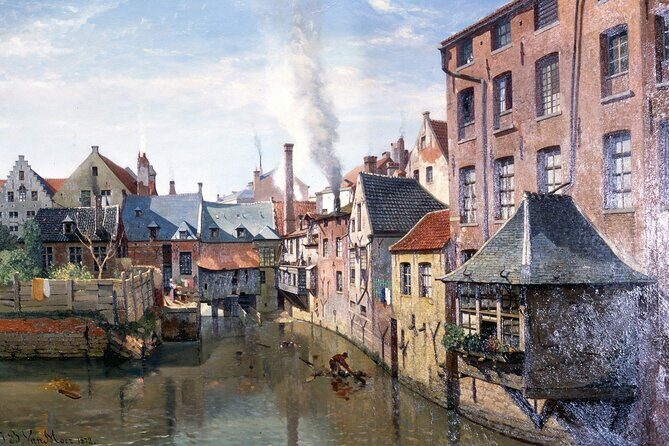
The final themed stop is at Place du Jardin aux Fleurs, where the story centers on a villainous crime featuring rather unusual loot. This is the kind of detail that adds variety to the route. Earlier stops lean toward passion and atrocity. Here, you get something that feels more oddball—still serious, but with a different flavor.
Why this matters for your experience: a good crime-walk can’t be one-note. Changing the type of crime keeps you engaged and helps you understand that 19th- and 20th-century Brussels didn’t deal with one “standard” kind of incident. People stole in different ways. Motives varied. The city’s response varied too.
Also, unusual loot often sparks curiosity. And curiosity is how you stay mentally awake during a two-hour story walk—especially if you’re not used to this kind of topic.
Why the Guide’s Delivery Makes or Breaks This Tour
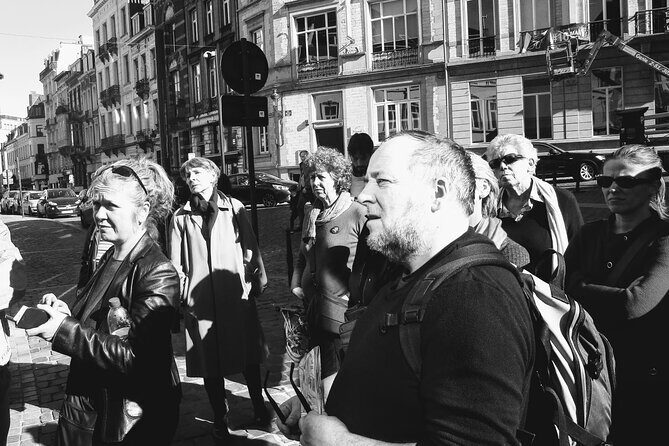
The strongest feedback for this experience centers on the guide. The overall impression is consistent: the guide is friendly and professional, captures attention, and most importantly adds historical context rather than treating the crime stories as standalone spectacle.
That approach is exactly what you should want. Crime tours can go two directions: either they sensationalize, or they explain. This one aims for the second track—stories grounded in the city’s social customs and the people involved. That makes the walk feel less like entertainment and more like understanding.
One small suggestion showed up: some people would enjoy more theatrics, like costumes and interactive touches. You won’t count on that based on the format described here. If you’re hoping for a role-play performance, you might find the experience more “storytelling on the street” than “actors on every corner.”
Still, the respect-first tone is a big win. It means you can focus on learning without feeling awkward.
Price and Value: Is $23.26 Worth 2 Hours of Story?
At $23.26 per person for about 2 hours, the value comes from structure. You’re not paying for entry tickets. All fees and taxes are included, and the stops are described as admission free. In other words, you’re paying for a guide who organizes the city’s darker story into a walkable route.
A tour like this also saves you effort. Without guidance, you might read about a crime, but it’s harder to connect it to street geography and social context. Here, the route does that work for you. You get a curated path through Brussels’ real places, with stops that anchor each part of the story.
One more value point: small group size (up to 25 travelers). That tends to make the experience feel more personal and keeps you from losing the thread.
If you’re a budget traveler, this price is fairly manageable for a guided, two-hour experience—especially in central Brussels where guided walking time can add up fast.
Who This Tour Fits Best (and Who Might Want Something Else)
This is a great fit if you like city history and want your facts grounded in real places. It’s also ideal if you enjoy the mix of police perspective, social customs, and how communities reacted in different eras. The tour’s premise—learning about Brussels society through criminal cases—will appeal to people who like a story with purpose.
You should think twice if you’re uncomfortable with frightening material or graphic themes, even if presented respectfully. The description doesn’t sugarcoat the topic. You’ll be walking through serious content, not light anecdotes.
It also suits visitors who want to see central Brussels on foot and don’t mind a darker angle. If you’re only in town for a short time and want one focused guided experience, two hours is a realistic commitment.
Finally, if you’re traveling with friends who want something different from museums, this is a strong choice. It’s memorable in a way that a standard walking tour rarely is.
Practical Tips to Make Your Experience Smoother
Bring a fully charged phone, just in case your mobile ticket needs a quick scan. This is also helpful for transit after the tour ends near Place Saint-Géry. Wear comfortable shoes and expect a steady walk.
If the topic feels heavy, don’t force it. Step back for a moment, take a breath, and keep listening when you’re ready. You can still enjoy the historical context even if you mentally dial down the intensity.
And because the route focuses on specific streets and squares, try not to treat it like a casual stroll. Give the guide your attention. You’ll get more out of the “why this place” explanations when you’re fully tuned in.
Should You Book Brussels Crime Scenes?
Book it if you want a guided Brussels walking experience that connects crime stories to real street corners, plus social and historical context in about two hours. The small group size and the consistently praised guide delivery make it a solid value at $23.26, especially since stops are admission free.
Skip it if you prefer light sightseeing, or if frightening and violent themes are a deal-breaker for you. If you’re in the middle—curious but cautious—come prepared, wear good shoes, and choose the right moment in your day. This tour hits best when you can settle in and listen rather than multitask.
FAQ
How long is the Brussels Crime Scenes tour?
It runs for approximately 2 hours.
Where does the tour start and end?
The tour starts at Rue de l’Etuve 1, 1000 Bruxelles, Belgium, and ends at Pl. Saint-Géry 1, 1000 Bruxelles, Belgium (open in Google Maps, in the center of Place Saint-Gery).
What’s the price per person?
The price is $23.26 per person.
Is the ticket mobile?
Yes, the tour uses a mobile ticket.
How big is the group?
The tour has a maximum of 25 travelers.
Is coffee included?
No, coffee and/or tea are not included.
Can I cancel for free?
Free cancellation is available. You can cancel up to 24 hours in advance for a full refund.
Is the tour accessible?
Service animals are allowed, it’s near public transportation, and most travelers can participate.