REVIEW · BRUSSELS
Architecture Tour of Brussels
Book on Viator →Operated by Bruges City Tours · Bookable on Viator
Brussels at night has a way of sharpening details. This architecture tour strings together the city’s most recognizable landmarks with an architect guide who explains what you’re actually seeing. I like the photo-ready moment at Mont des Arts and I love how the stop mix goes beyond just famous facades.
Two things I really value here are the tight, guided storytelling at each key square and the fact that group size stays small (max 18). In the feedback I’ve seen, guides such as Gamaal and Jimmy are praised for explaining in depth and keeping it fun, including tailoring what the group wants to focus on.
One possible drawback: it’s a walking route with short stops, so if you want long museum time or deep interior access, this format may feel a bit quick—especially in busy areas around the major sights.
In This Review
- Key highlights worth planning around
- A 2-hour Brussels architecture walk that starts at Grand-Place
- Grand Place: where the city’s style shifts make sense
- Les Galeries Royales Saint-Hubert: architecture that sells you a stroll
- La Monnaie and the surrounding streets: theater plus urban change
- Place De Brouckereplein: the old river route as a defense story
- La Bourse de Bruxelles: how commerce became a statement
- Manneken Pis: the quick photo with a wardrobe twist
- Jacques Brel statue and Sablon: pop culture meets chocolate-country streets
- BOZAR Centre for Fine Arts and Mont des Arts: your best photo payoff
- Price and logistics: why the value works (and where it doesn’t)
- Who should book this Brussels architecture tour
- Should you book this architecture tour of Brussels?
- FAQ
- How long is the architecture tour of Brussels?
- What does the tour cost?
- Is the tour in English?
- Is this ticket mobile-friendly?
- Where do I meet the guide?
- What time does the tour start?
- Is transport included in the price?
Key highlights worth planning around
- Grand Place (UNESCO) with a guided explanation of how a market became Gothic and Baroque
- Les Galeries Royales Saint-Hubert as an early shopping gallery success story with literary coffee-stop vibes
- La Monnaie and local streets tied into broader change in the neighborhood
- Manneken Pis wardrobe museum angle beyond the quick photo (costumes and stories)
- Mont des Arts viewpoint designed for that end-of-tour city panorama shot
A 2-hour Brussels architecture walk that starts at Grand-Place
This is a fast, smart introduction to Brussels architecture, done in about two hours. It’s scheduled for 8:00 pm, which matters: you’ll see the city in evening light, with many buildings still clearly readable, but without the midday crush. It’s also an English tour with an architect guide, and the pacing keeps things moving across central neighborhoods.
The price is $30.10 per person, which is pretty reasonable if you think of it as guided access to multiple major landmarks without separate ticket costs listed for the stops. With a maximum of 18 people, you’re not just swallowed by a huge group, and you’re more likely to get answers when you ask something.
Just note one practical point: transport is not included. Since the meeting point is in the center and near public transit, that’s manageable, but it’s something you should plan for.
If you're still narrowing it down, here are other tours in Brussels we've reviewed.
Grand Place: where the city’s style shifts make sense
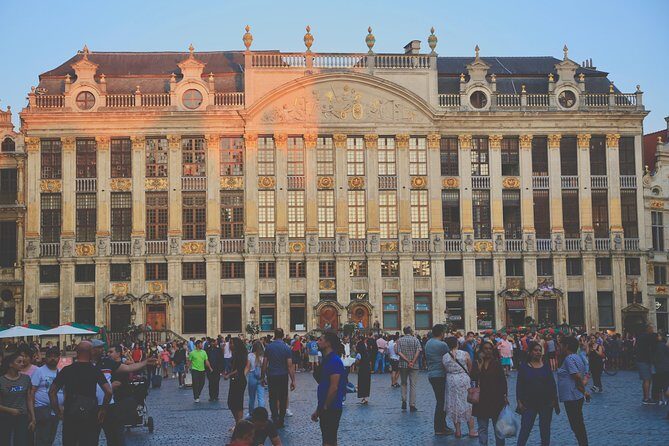
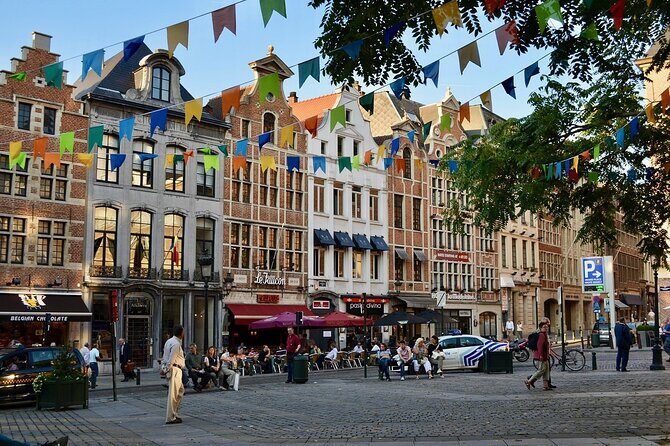
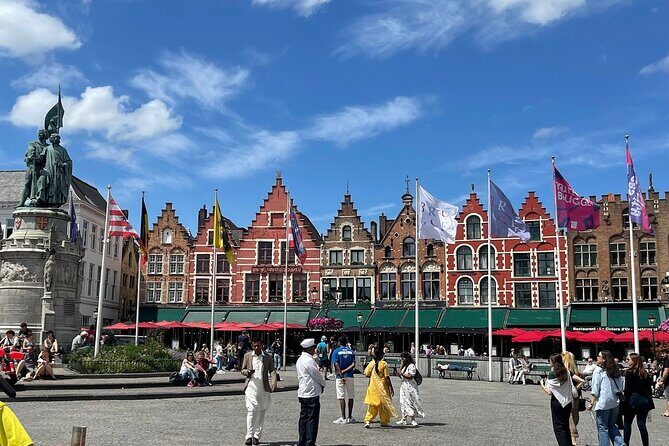
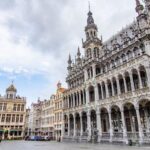
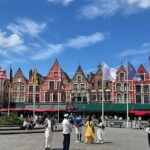
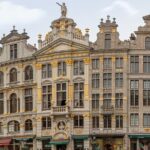
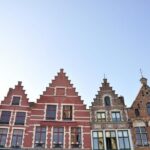
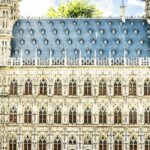
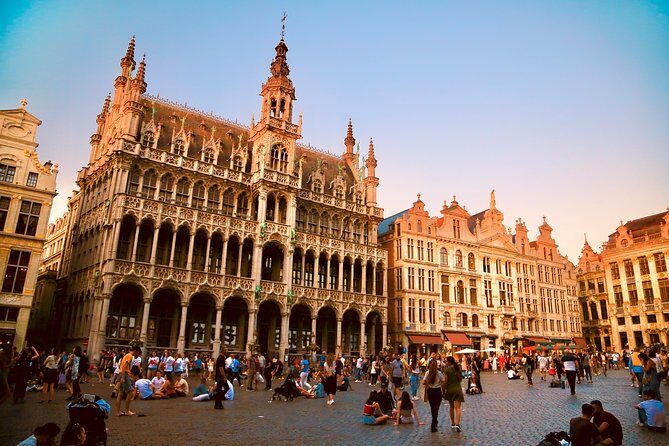
You begin at Grand Place, Brussels’s best-known square and a UNESCO site. The guide’s job here is to help you see the evolution instead of just taking photos of pretty stone. You’ll get the storyline from early market life, when you could think of the area as wooden houses and trading energy, then moving into the later Gothic and Baroque face the square is famous for today.
What I like about this stop is that it trains your eye fast. You’ll look at facades as design choices, not just decoration, and the guide connects them to notable people who were connected to the place. It’s a short stop—about 20 minutes—but it’s built for getting your bearings.
Possible caution: Grand Place is always popular. If you hate crowding, arrive with patience, stay flexible, and aim to shoot from slightly off-center rather than fighting for the most obvious spots.
Les Galeries Royales Saint-Hubert: architecture that sells you a stroll
Next up is Les Galeries Royales Saint-Hubert, often treated like a quick postcard stop, but this tour gives it context. You’ll hear why it’s considered the first shopping mall in the world, and you’ll also get the larger point: this building reflects Belgium’s ambition and confidence at the time.
You’ll also learn about the architecture as a real project—what it took, how it was dreamed up, and how connections helped it happen. That matters because galleries like this aren’t just pretty corridors; they’re a social and commercial invention.
The tour also points you toward the kind of cafés people associate with writers and ideas. You’re not spending much time here—around 20 minutes—but the goal is to make the space feel lived-in, not museum-quiet.
La Monnaie and the surrounding streets: theater plus urban change
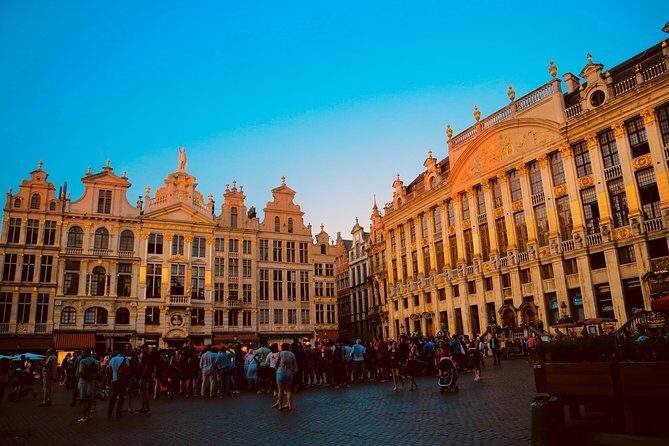
Then you shift to La Monnaie, the royal theatre. The stop is brief, about 10 minutes, but it’s targeted: you’ll get the long-running importance of the theatre and how it ties into the neighborhood’s story. The guide also connects the dots about nearby streets—essentially showing how cultural landmarks affect how an area develops.
If you like architecture that includes social history (who gathered, what buildings meant, how power shows up in design), this is the kind of stop that clicks. If you’re expecting a full interior visit, manage expectations: the emphasis here is on what you can read from the exterior and immediate streetscape.
Place De Brouckereplein: the old river route as a defense story
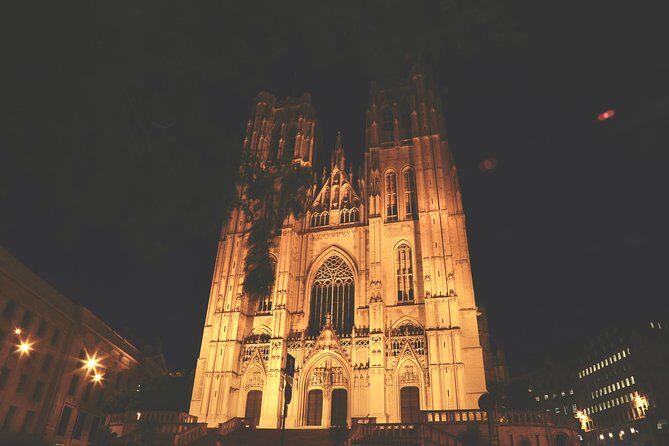
At Place De Brouckereplein, the tour turns from style to infrastructure and defense. You’ll hear about De Brouckere Palace and, more importantly, the idea of an old river route running through the city. The guide frames water as a backbone of defense, not just a pretty urban feature.
This is one of those architecture-adjacent moments that makes you look smarter as you walk. Instead of seeing streets as random lines, you start thinking about geography shaping decisions over centuries. Even in a short 10-minute stop, the explanation helps the city’s layout feel purposeful.

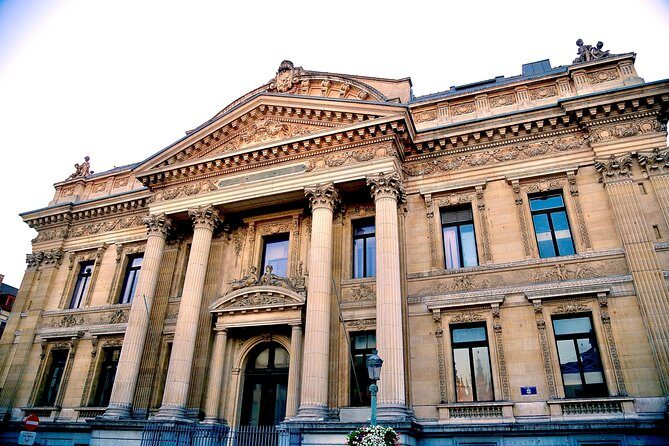
La Bourse de Bruxelles: how commerce became a statement
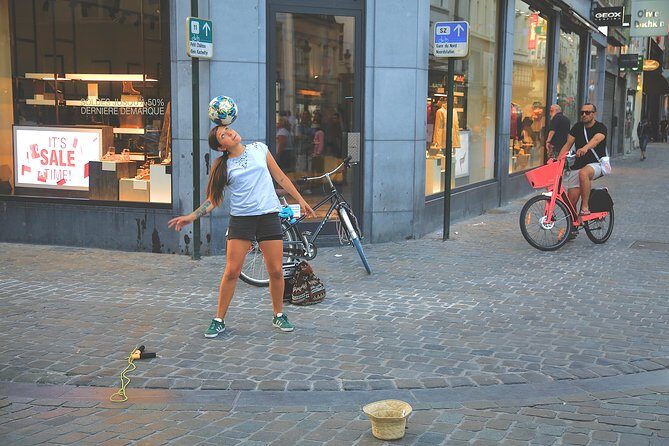
From there, you go to La Bourse de Bruxelles and hear how the development of the building connects to earlier trading centers—linking it to the city’s bigger economic story. You’ll also see how the building became a major part of Brussels’s visual identity, not just a place where business happened.
The tour keeps this stop to about 10 minutes, so it’s not an extended architectural analysis session. But the value is that you get the why behind the “why is this square important?” feeling. You come away understanding what kind of power and ambition this architecture was designed to project.
Manneken Pis: the quick photo with a wardrobe twist
No Brussels walk is complete without Manneken Pis, and this one doesn’t treat it as just a selfie stop. You get the usual background stories, but then the tour adds the costume layer—its wardrobe is said to include over 1,200 uniforms, and you’ll get the larger idea behind why this small statue became a cultural reference point.
You’ll also have time to go up toward the wardrobe museum for that extra angle. The stop is about 15 minutes, so it’s enough to feel you learned something new without turning the day into a long detour.
A useful note: the tour calls it a “greatest disappointment” in a humorous way—because the statue is tiny and can feel underwhelming compared to the hype. But the added costume stories are what turn it from a letdown into a real learning moment.
Jacques Brel statue and Sablon: pop culture meets chocolate-country streets
After the Manneken Pis area, the tour makes a quick stop at a Jacques Brel statue. It’s short—about 5 minutes—but it’s there for a reason. The guide uses it to ask why Brel is honored with public art in this city, which is a nice reminder that architecture tours aren’t only about stone and style. They’re also about who a place chooses to remember.
Then you head to Notre-Dame des Victoires au Sablon in the Sablon area. You’ll spend around 15 minutes here, and the tour leans into the combined theme of church-and-neighborhood identity, with chocolate connected to the atmosphere of the area. Even if you don’t plan to buy anything right away, it’s a practical moment to think about timing, because you’ll likely want a sweet break on your way through Sablon.
If your travel style likes mixing cultural references with actual places, this is a good match. If you only care about grand squares, you might see this as a palate cleanser before the art and viewpoint finale.
BOZAR Centre for Fine Arts and Mont des Arts: your best photo payoff
The next-to-last architectural stop is BOZAR Centre for Fine Arts. It’s quick—around 5 minutes—but it works like a transition. You’re shifting from historic civic spaces into a modern art institution, which helps you understand Brussels as a city that keeps reusing its attention, even when styles change.
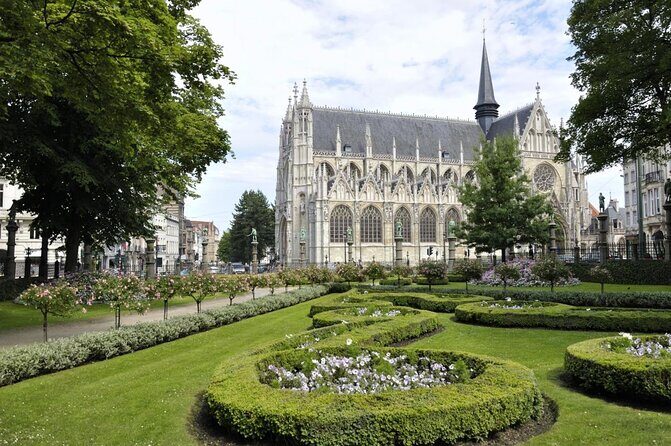
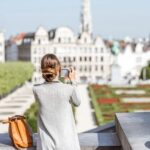
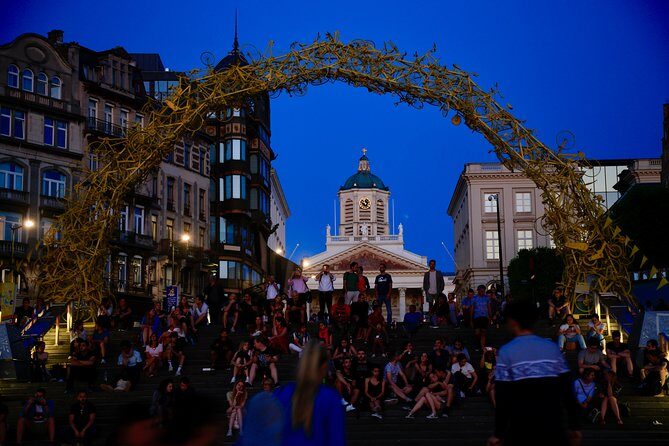
Then comes the big visual finish: Mont des Arts. You’ll spend around 20 minutes here, using the viewpoint for that classic panorama over Brussels. The guide points out the city’s visual anchors—especially the focus toward the town hall tower, with the royal palace toward the far end of the view.
This is the stop that feels like payoff. You’ll have time to frame shots, adjust your angle, and actually look instead of constantly moving. And since the tour ends back at the meeting point, you’ll also know you’re done with the structured walking part.
One small consideration: Mont des Arts gets busy for photos. If you want the cleanest shots, be patient for a gap in crowds and try shooting from slightly different positions along the overlook.
Price and logistics: why the value works (and where it doesn’t)
At $30.10 for about two hours, this tour is priced like a budget-friendly way to hit many top sights with context. The stops are central, nearly all major landmarks are outside, and the listed admissions are free at each stop. That combination keeps costs down, especially compared to tours that pile on museum entry fees.
The experience also benefits from a professional local guide and a group size capped at 18. In the feedback I’ve seen, guides like Gamaal and Jimmy stand out for going beyond generic explanations—asking what your group wants to focus on and then adjusting the route style and stories accordingly. One guide was even praised for handling extreme wind without letting the fun disappear, which is a reminder that timing matters on an evening walk.
Where it may not be perfect: if you hate crowds, if your phone battery dies fast (you’ll take lots of photos at several stops), or if you want heavy interior viewing, this route is more “see and understand” than “tour every interior room.”
Who should book this Brussels architecture tour
Book it if:
- You want a structured architecture introduction without planning a day of transit and decisions
- You like learning the “why” behind squares, streets, and famous facades
- You’re traveling with people who need variety: civic landmarks, a theatre, a cultural church area, and a strong viewpoint finish
Skip it or rethink it if:
- You want long museum time or lots of interior entry
- You dislike walking in busy central areas
- You prefer a slower pace with fewer stops
Overall, it’s a very solid choice for an evening “get your bearings fast” tour in Brussels’s historic core.
Should you book this architecture tour of Brussels?
Yes, if you want an efficient, evening-friendly way to understand Brussels’s architecture from the outside and turn a bunch of famous stops into something that feels connected. The payoff comes from the guide’s explanations—especially around Grand Place, the Royal Galleries, the Manneken Pis costume angle, and that final viewpoint at Mont des Arts.
If you’re on a tight schedule, this is the kind of tour that makes your later self-guided exploring easier because you’ll know what you’re looking at. Just make sure you’re okay with short stops and a brisk pace, and plan your evening walk clothes accordingly.
FAQ
How long is the architecture tour of Brussels?
It runs for about 2 hours.
What does the tour cost?
The price is $30.10 per person.
Is the tour in English?
Yes, the tour is offered in English.
Is this ticket mobile-friendly?
Yes, you receive a mobile ticket.
Where do I meet the guide?
The tour starts at Godiva Grand Place, Grand Place 21/22, 1000 Bruxelles, Belgium. The tour ends back at the meeting point.
What time does the tour start?
The start time shown is 8:00 pm.
Is transport included in the price?
No. Transport is not included. The start location is near public transportation.