REVIEW · BRUSSELS
Brussels: Guided Walking Tour
Book on GetYourGuide →Operated by Bravo Discovery · Bookable on GetYourGuide
Brussels makes sense when you walk it. This 150-minute guided stroll reads the city in two halves—Upper and Lower—so you get why Brussels looks the way it does today. You’ll cover medieval streets, Baroque showpieces, and modern Brussels without needing a master plan.
I love the hands-on Belgian chocolate tasting, because it turns the usual sightseeing stop into something you actually remember. I also like the guide’s practical Q&A on restaurants, local beers, museums, nightlife, and getting around by public transport.
One thing to plan for: it’s a fair chunk of walking, so bring warm layers and comfortable shoes—especially if you’re there in winter or during busy seasonal crowds.
In This Review
- Key things you’ll notice on this Brussels walk
- Why this 150-minute Brussels walk feels like a real orientation
- Meeting at Grand Place and setting yourself up to enjoy the pace
- Lower City highlights: where Brussels’ street life still shows
- Upper City highlights: merchants, royal power, and a very different vibe
- Inside St. Michael and St. Gudula: what to actually look for
- Beer, museums, and nightlife tips you can use right away
- Belgian chocolate tasting: how to make it more than a souvenir
- Price and logistics: is $23 good value for Brussels?
- Who should book this Brussels walking tour (and who might not)
- Should you book this guided Brussels walk?
- FAQ
- How long is the Brussels guided walking tour?
- Where do I meet for the tour?
- What languages are available for the guided tour?
- What’s included in the price?
- What isn’t included?
- How is the tour organized in the city?
- Is the tour wheelchair accessible?
- Can I cancel and book flexibly?
Key things you’ll notice on this Brussels walk
- Upper City vs Lower City split: you’ll understand the city’s layout, not just see photos.
- Grand Place and the Merchant power story: the guide connects architecture to economics.
- Manneken Pis and historic street names: you learn what to look for and why it matters.
- Senne history at the Covering of the Senne: a surprising bit of urban engineering.
- St. Michael and St. Gudula inside visit: stained glass and key chapel highlights are part of the route.
- Chocolate tasting plus smart shopping tips: you taste first, then know where to buy.
Why this 150-minute Brussels walk feels like a real orientation
Brussels can feel like it’s all over the place—pretty squares, quirky statues, then suddenly royal buildings. This tour keeps it grounded by splitting the city into Upper City and Lower City, which is the easiest way to understand how different Brussels grew up. In about 150 minutes, you get a guided path through the big landmarks and the backstory that makes them click.
At $23 per person, the value comes from two things: you’re paying for guided context plus a Belgian chocolate tasting included in the price. You’re not spending extra on museum tickets during the walk, either, so your money stays focused on the essentials.
This is also the type of tour that helps you stop guessing what to do next. Your guide is there to answer practical questions about where to eat, what to see, and how to move around Brussels using public transport.
Other Brussels highlights walking tours we've reviewed in Brussels
Meeting at Grand Place and setting yourself up to enjoy the pace
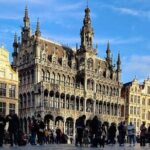
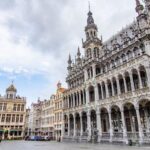
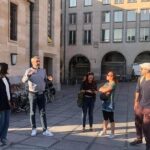
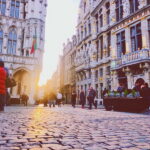
You meet at Grand Place, right in front of the City Hall, looking for the white umbrella branded Bravo Discovery. It’s one of the most central places in town, which means you can usually connect to your day without complicated transfers.
The tour runs 150 minutes, and the walking pace is steady enough to cover both sides of the historic center. In colder months, the experience is still very doable, but dress for wind and chill. The route also flexes on some days if there are disruptions or big events, so you might see slight changes rather than a perfectly rigid script.
Language options are Spanish, English, and French, which matters if you want commentary that you can follow easily. And the tour is wheelchair accessible, but keep in mind it’s still a walking tour—so it’s best when your group can manage streets and sidewalks.
Lower City highlights: where Brussels’ street life still shows
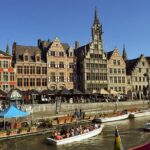
The Lower City portion is where Brussels tells its practical story: markets, merchants’ routes, and older street layers. You start with the feeling of the medieval core, then the guide points out how each stop connects to the city’s development.
Here are the Lower City stops you’ll be looking for:
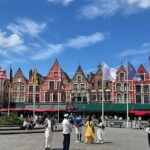
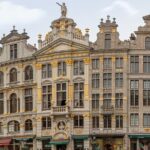
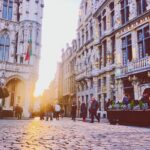
- Grand Place: yes, it’s a repeat on many Brussels tours, but here you’ll get context tied to the city’s commercial power and civic identity. This is where the buildings aren’t just pretty; they’re part of a bigger system.
- Everard t’Serclaes monument on Charles Buls street: a good checkpoint for understanding local legends and how the city remembers itself in public space.
- Manneken Pis: you’ll get the story behind the famous statue and how it fits into Brussels’ sense of humor and identity. It’s quick to see, but the guide adds meaning.
- Grands Carmes street: a street stop that helps you read the city as a network, not isolated sights.
- Marché au Charbon street: another street clue for how Brussels traded and moved goods.
- The Covering of the Senne: this is the kind of stop that surprises people. You’re not just watching history; you’re seeing how Brussels handled a major environmental problem through urban change.
- Riches Claires street and Grande Île street: the guide helps you connect street names to the area’s older functions.
- Saint-Géry Island: a finishing point that gives you a sense of how the old city formed around the waterways and neighborhoods.
The payoff here is clarity. By the time you finish the Lower City, you’ll be able to look at streets and squares and say, even roughly, what they were used for.
Upper City highlights: merchants, royal power, and a very different vibe
Once you shift into the Upper City, the atmosphere changes. The guide shows you how the city’s look tracks the people in charge—merchants and civic wealth up top, then the deeper historical layers below.
This side often includes:
- Grand Place again, framed through the power of merchants and civic life. If you pay attention here, you’ll start seeing patterns in the façades instead of treating the square like just a photo stop.
- Galeries Royales St Hubert: a covered shopping gallery that feels like Brussels’ “in-between” space—part elegance, part everyday life. You’ll see why it became a must.
- Mort Subite: a famous Brussels bar setting that helps bridge sightseeing with the city’s drinking culture. Even if you don’t drink there, it’s useful as a reference point for where locals go.
- Cathedral of St. Michael and St. Gudula (including an inside visit): this is more than a quick exterior stop.
- Royal Park, Royal Palace, and Royal Square: you’ll get the royal grid of the city—wide spaces, ceremonial buildings, and sightlines.
- Palace of Coudenberg: another key royal/history moment that adds depth to the Upper City story.
The Upper City portion helps you understand Brussels as a capital, not only a charming city. It’s still walkable, still human-scale, but the “who had the power” theme becomes obvious.
Inside St. Michael and St. Gudula: what to actually look for
If you only see church exteriors, you miss most of the point in Brussels. This tour doesn’t stop at the doors. It includes time inside St. Michael and St. Gudula, with highlights you can focus on instead of getting lost.
Based on what your guide typically points out, you’ll want to pay attention to:
- stained glass windows
- the Chapel of the Blessed Sacrament
- the pulpit
This inside segment is valuable because it turns a familiar stop into a guided visual lesson. Churches like this can feel overwhelming on your own, especially if you’re trying to juggle photos, names, and dates. With a guide, you can pick out what matters and move on without that exhausting “I didn’t learn anything” feeling.
Other walking tours we've reviewed in Brussels
Beer, museums, and nightlife tips you can use right away
One of the most practical parts is that the guide isn’t only talking landmarks. You’ll get advice on museums, the best bars and local beers, and where to find things without overpaying.
The tour is built for questions. You can ask about where to eat, what neighborhoods fit your vibe, and how to handle logistics with public transport. On a first visit, that saves you real time because it helps you plan your next 24–48 hours with fewer detours.
Guides like Ian, Liam, Christophe/Christof, and Patrick (seen across recent departures) tend to bring energy—quick storytelling, humor, and lots of group interaction. That matters because it keeps a long walk from feeling like a lecture. It also helps if you’re traveling solo, since the guide’s job includes bringing everyone into the conversation.
Belgian chocolate tasting: how to make it more than a souvenir
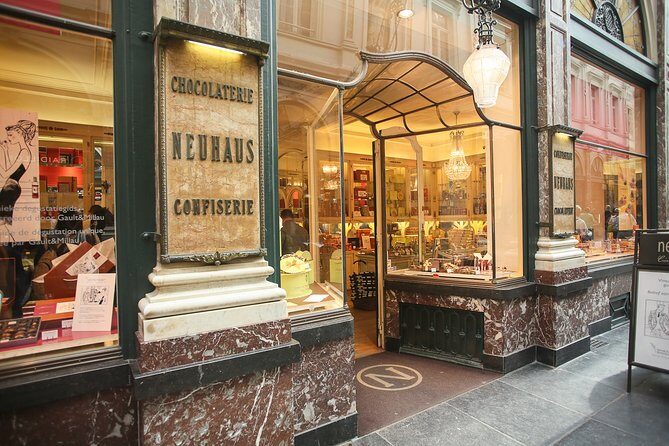
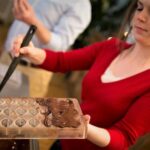
Chocolate tasting is included, and it’s one of the smartest add-ons for a Brussels walk. It’s short enough to fit the timing, but it gives you a sensory break so your brain stays awake for the rest of the sights.
What’s especially useful is that the guide doesn’t treat chocolate as a one-off moment. You’ll also get practical guidance on where to buy chocolate at a reasonable price—so you leave with a plan, not just a small sample.
If you like food stops that turn into shopping decisions, this format works well. You taste, you learn what to look for, then you know where to go next.
Price and logistics: is $23 good value for Brussels?
For a 150-minute guided walk, $23 per person is strong value when you factor in what’s included. You get a live guide, a structured walk through major sights in both Upper and Lower City, plus a Belgian chocolate tasting.
What’s not included is also clear: tram or bus tickets and museum tickets. That’s fine for this style of tour because the day is about orientation and street-level context, not timed museum visits. If you want museum time later, you can decide based on your interests instead of being forced into a ticket purchase you don’t use.
A couple of practical notes that affect comfort more than money:
- Wear shoes you trust for uneven sidewalks and cobbles.
- Plan for changing weather; guides keep the tour moving even when conditions aren’t ideal.
- Group size can vary, and some departures can be around twenty-plus people, so you’ll want to stay attentive for your best experience.
Who should book this Brussels walking tour (and who might not)
Book this tour if you want a fast, guided way to understand Brussels beyond postcards. It’s a great first-day choice because you’ll see the big targets—Grand Place, Manneken Pis, the royal sights, Galeries Royales St Hubert—and you’ll get the why behind them.
It also suits people who like “ask me anything” moments. If you care about local bars, Belgium beer, where to eat, and how to move around by public transport, the guide’s Q&A adds real value.
You might not love it if your ideal day is minimal walking or you prefer to roam with no structure. Even with wheelchair accessibility, it’s still designed as a walking route through the center, so comfort with streets and pacing matters.
Should you book this guided Brussels walk?
Yes—if you want an efficient first look at Brussels with two-city orientation, a guided stop inside St. Michael and St. Gudula, and a chocolate tasting that turns into smart shopping. At $23 for 150 minutes, the mix of major landmarks plus practical tips is hard to beat.
I’d be especially confident booking this if you’re the type of traveler who enjoys city context more than museum tickets, and who wants a short list of places to return to after the walk. If you’re arriving with limited time, you’ll likely feel like the tour gave you a backbone for the rest of your Brussels days.
FAQ
How long is the Brussels guided walking tour?
The tour lasts 150 minutes.
Where do I meet for the tour?
Meet at Grand Place, in front of the City Hall, and look for the white umbrella from Bravo Discovery.
What languages are available for the guided tour?
The live guide is available in Spanish, English, and French.
What’s included in the price?
The price includes the guided tour and a Belgian chocolate tasting.
What isn’t included?
Tram or bus tickets and tickets to museums are not included.
How is the tour organized in the city?
The walk is split into two areas: the Upper City and the Lower City.
Is the tour wheelchair accessible?
Yes, the tour is wheelchair accessible.
Can I cancel and book flexibly?
There’s free cancellation up to 24 hours in advance for a full refund, and you can reserve now & pay later.