REVIEW · BRUSSELS
THE MOST COMPLETE TOUR of BRUSSELS! + PDF tour guide
Book on GetYourGuide →Operated by AdvenToursBe · Bookable on GetYourGuide
Brussels gets organized fast. In about 2.5 hours, you’ll walk from the Grand Place through major sights while the guide connects history, curiosities, and gastronomy along the way. I like how the route makes the city feel legible, not random.
I also love the included PDF tour guide, which points you to what to see next, plus practical food and chocolate ideas. One possible drawback: it’s mostly walking, and there are no toilets on the tour—you’ll have just one stop to refresh at the Church of Notre-Dame du Sablon.
In This Review
- Key highlights you’ll care about
- Why this 2.5-hour Brussels walk works for first-timers
- Before you go: PDF guide, water stop, and a realistic pace
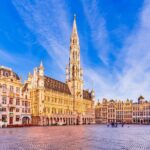
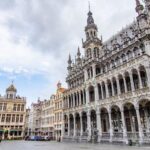
- Grand Place and Hôtel de Ville: the start that sets the tone
- Everard t’Serclaes Monument: a quick stop with big meaning
- Tintin mural and Manneken Pis: Brussels with a sense of humor
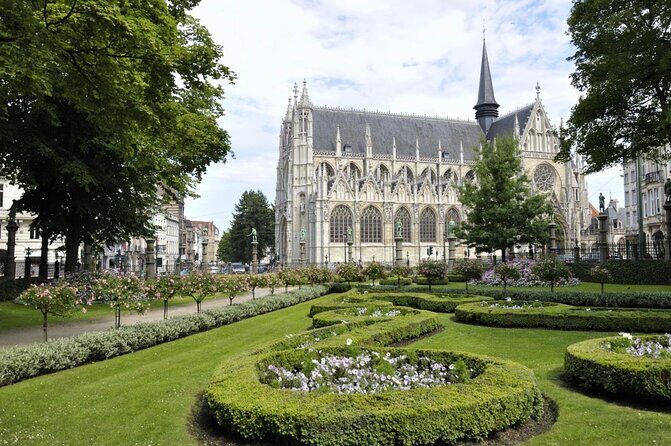
- Notre-Dame du Sablon and Petit Sablon Park: the short break that matters
- Palace of Justice and Place du Petit Sablon: scale and ambition
- Musical Instrument Museum and Mont des Arts: two different kinds of beauty
- Mont des Arts carillon clock: listening as part of the tour
- St. Michael and St. Gudula Cathedral: the spiritual anchor
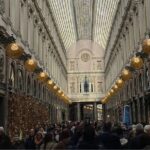
- Galeries Royales Saint Hubert: ending in one of Brussels’ prettiest streets
- Price and tips: what $3.39 really buys you
- Languages, guides, and the humor factor you’ll feel
- Should you book this tour?
- FAQ
- How long is the Brussels walking tour?
- Where do I meet the guide?
- What are the main sights on the route?
- Is there a break during the tour?
- Are there toilets on the tour?
- Does the tour include entering the Church of Notre-Dame de Sablon?
- What languages is the tour offered in?
- What should I do about the suggested contribution?
- How can I pay?
Key highlights you’ll care about
- Grand Place plus the Everard t’Serclaes Monument: learn why the city’s power and pride shaped the streets you’re standing on.
- Tintin mural and Manneken Pis: pop culture and Brussels identity in the same short stretch.
- Sablon church break with interior time: a small, timed window to go inside and cool down (and to stock up on water).
- Mont des Arts and the carillon clock: architecture viewpoints, plus the sound-and-timing element that gives the area character.
- Royal Galleries Saint Hubert finish: a classic stroll-to-the-shops ending that makes continuing easy.
Why this 2.5-hour Brussels walk works for first-timers
Brussels can feel big if you’re winging it. This tour gives you a clear route and a tight story arc, so you’re not just ticking off landmarks. In 2.5 hours, you get your bearings and a working sense of what to do next.
What makes it especially useful is the mix: official monuments, everyday Brussels icons, and places that explain why locals care. You’ll move from grand civic spaces to smaller stops that make the city feel human.
Other self-guided audio tours we've reviewed in Brussels

Before you go: PDF guide, water stop, and a realistic pace
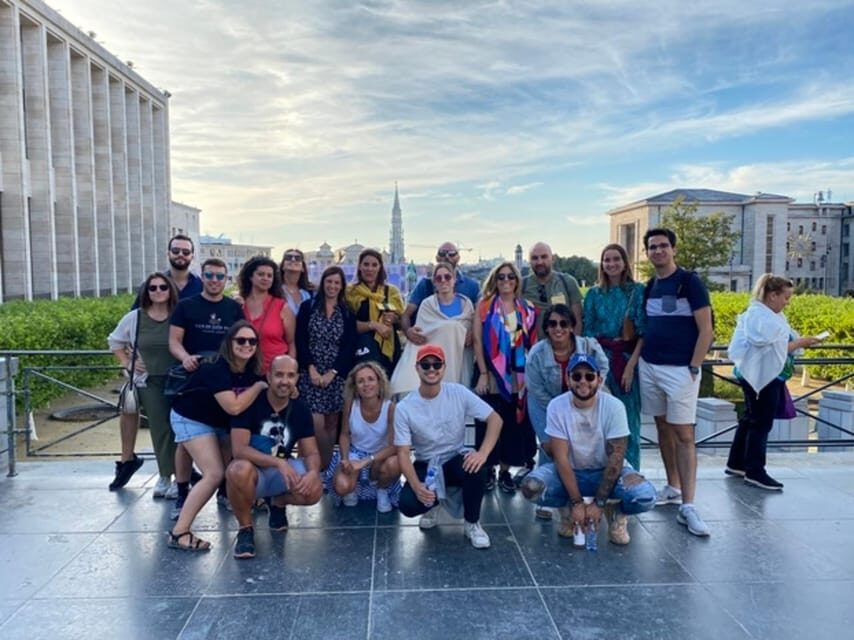
You’ll receive a PDF tour guide with added context beyond what you hear on the walk. It includes information about Belgium and Brussels, plus suggestions for nearby places and what to eat. It also has the kind of chocolate and gastronomy tips that can save you from wandering around hungry and guessing.
Bring water. Brussels can be very hot in summer, and the tour recommends staying hydrated. Plan your comfort around the fact that there are no toilets on the tour, with one stop mainly to stock up on liquids at the Church of Notre-Dame du Sablon.
Grand Place and Hôtel de Ville: the start that sets the tone
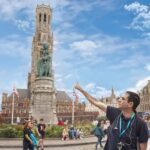
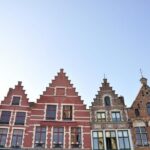
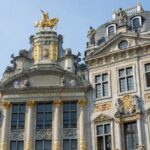
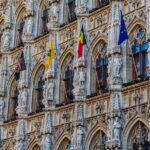
You meet your guide at the door of the Hôtel de Ville on the Grand Place, where you’ll spot them by a red hat and a Spanish drape. It’s a strong starting point because the Grand Place is where Brussels flexes its civic identity.
From the first moments, the guide frames what you’re looking at—why the square matters, and how Brussels’ eras show up in stone and layout. If you want photos, this is where you’ll get your best wide-angle shots without sprinting.
You’ll also get a practical feel for the city’s geometry. Once you understand how the square connects to the next streets, the rest of your self-guided exploring gets easier.
Everard t’Serclaes Monument: a quick stop with big meaning
Right after the grand civic center, you’ll come across the Everard t’Serclaes Monument. This is the kind of stop that’s easy to overlook if you’re just chasing the biggest names.
The value here is the explanation. The guide ties the monument to Brussels’ past and local pride, so it stops being a random statue in your photos. It’s short, but it adds weight to the story you’re building across the walk.
Tintin mural and Manneken Pis: Brussels with a sense of humor
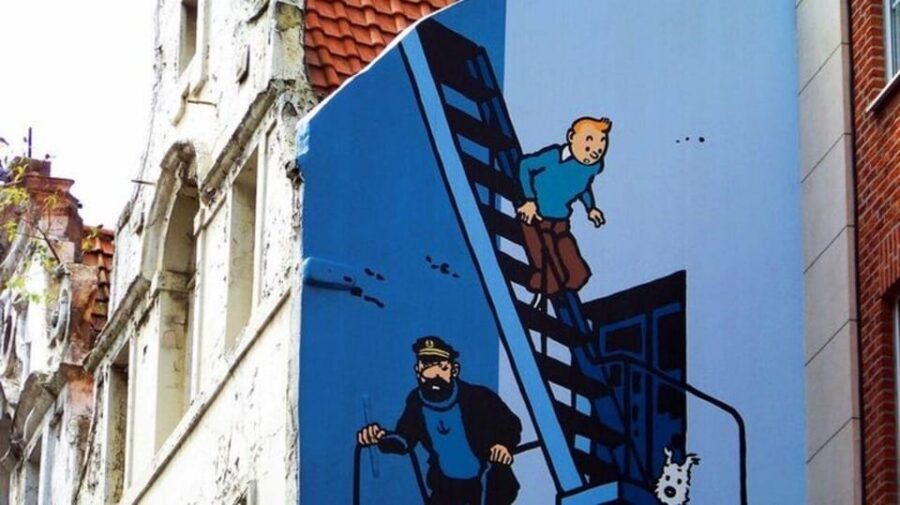
If Brussels had a group chat voice, it would probably sound like this section. You’ll see the Tintin Comic Mural, a pop-culture landmark that also gives you insight into how Belgium treats storytelling and art in public spaces.
Then comes Manneken Pis, the small icon with a big reputation. This is one of those places where you’ll notice how locals and visitors both react—people look up, people laugh, and suddenly the city feels less like a museum. The guide’s job is to explain the why behind the fame, not just point at the figure.
This stretch is also good for pacing. You’ll get movement and light stops between heavier architectural moments later.
Other guided tours in Brussels

Notre-Dame du Sablon and Petit Sablon Park: the short break that matters
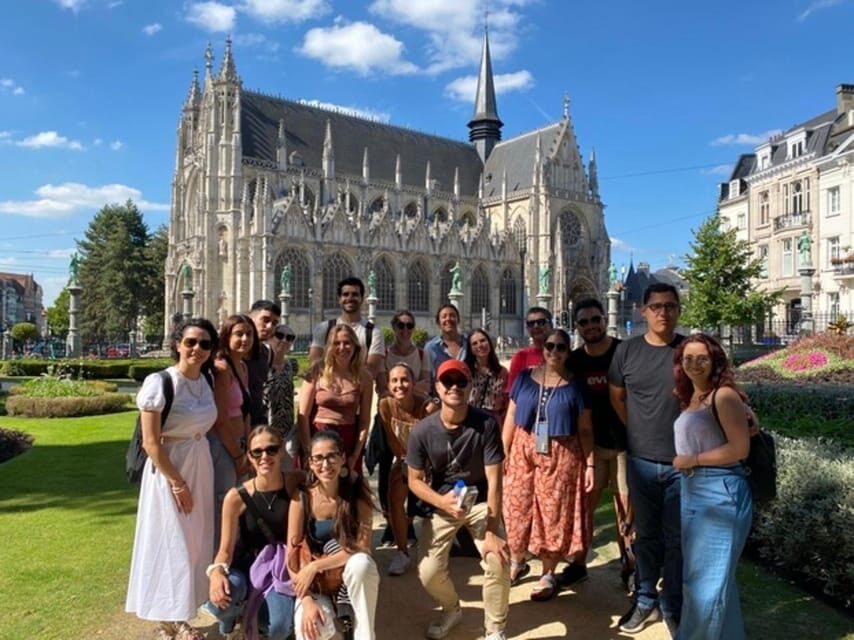
The tour reaches the Church of Our Blessed Lady of the Sablon and gives you a break time plus a chance to go inside. You’ll get about 5 minutes of break time, and the experience also mentions roughly 5–10 minutes for a free interior visit to Notre-Dame de Sablon.
This stop is strategic for two reasons. First, it’s a reset in terms of mood—Sablon feels more relaxed than some of the louder squares. Second, it’s your best shot to take care of basic needs, especially because there are no toilets on the tour.
Petit Sablon and its park area are nearby, and the guide uses this space to connect aesthetics to context. Even if you don’t stay long, you’ll feel the difference in scale and atmosphere.
Palace of Justice and Place du Petit Sablon: scale and ambition
Next up is the Palace of Justice, one of those buildings that makes you stop walking just to absorb it. It’s an obvious landmark, but the guide helps you see more than the size.
You’ll also visit the Place du Petit Sablon area. Together, these stops show how Brussels balances grand institutions with smaller public spaces. If you enjoy architecture but hate wasting time reading signs, this is a nice middle ground: you get explanations fast, then you move on.
Musical Instrument Museum and Mont des Arts: two different kinds of beauty
The Museum of Musical Instruments is a standout on the route because it hints at Brussels as a cultural city, not just a sightseeing city. Even when you don’t go deep inside (time matters on a 2.5-hour walk), it changes how you think about the surrounding district.
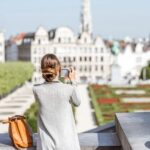
Then you’ll hit Mont des Arts. This area is built for views and perspective, so it pairs well with a walking tour that already helps you understand the city’s layout. You’ll get photo time and a short visit around the area.
If you like city photography, this is where you’ll reframe Brussels. The views give scale, and the architecture gives structure.
Mont des Arts carillon clock: listening as part of the tour
One of the most memorable bits is the Mont des Arts Carillon Clock. The guide brings attention to the carillon as something you can experience, not just see.
This matters because it turns the tour into more than visual tourism. You’re building more memory hooks, and that makes your next day in Brussels easier to navigate. You’ll likely notice how the sound and timing changes what you pay attention to in the streets around you.
St. Michael and St. Gudula Cathedral: the spiritual anchor
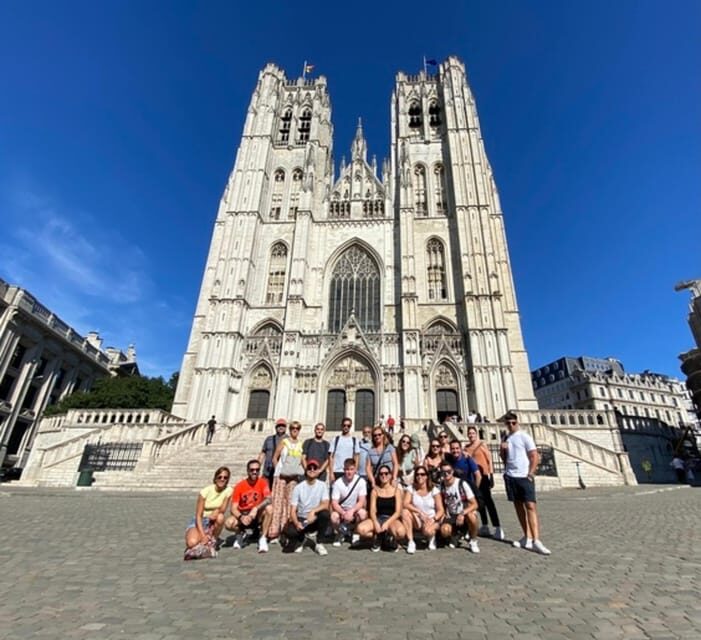
The tour finishes with St. Michael and St. Gudula Cathedral. This is your tonal shift: from pop culture icons and civic buildings to a place of long-standing religious and architectural presence.
Even if you only spend a short time here, the guide helps you understand the cathedral’s place in Brussels. It’s a solid stop for anyone who wants at least one moment of seriousness in the middle of a city break.
If you’re trying to pick a favorite moment, this is a good contender for people who like details, symbols, and craftsmanship.
Galeries Royales Saint Hubert: ending in one of Brussels’ prettiest streets
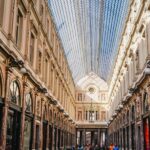
Your walk ends at the Galeries Royales Saint Hubert. This is the perfect landing zone because it’s both historic and immediately practical: you can keep strolling, snack, or head to a next activity without needing directions.
It’s also a satisfying visual payoff after the cathedral. You’ve moved from stone grandeur to glass-and-ornament city elegance, and now you’re back in a lively pedestrian corridor.
If you still have energy, this is a good area to wander slowly and let Brussels catch up with you.
Price and tips: what $3.39 really buys you
The posted price is $3.39 per person, and that can look almost too good to be true. The key detail is what you get for that price: a professional tour guide and a PDF tour guide, plus an entrance option to the Church of Notre-Dame du Sablon that may not apply to the 5:00 p.m. schedule.
Then there’s the contribution at the end, typically 10–25€. That means your true total depends on your budget and how you feel about the guide’s storytelling and help.
Here’s how I think about value for this tour:
- You’re paying for a focused 2.5-hour route that covers many major areas without you planning each turn.
- You’re also paying for interpretation. A lot of these stops are famous on postcards, but the guide helps you understand what you’re seeing.
- The PDF extends the value, because it points you toward food, chocolate, and what to do next.
If you want a quick start in Brussels, especially on a tight schedule, this format can be a smart use of time.
Languages, guides, and the humor factor you’ll feel
The tour runs with live guides in Spanish and English, so you can match your comfort level. You may hear different styles depending on who’s leading.
From guide names I’ve seen connected with this tour, Estref and Ariel are examples. In the best cases, the guide’s role is not only to explain, but also to keep the group engaged with jokes and easy answers when questions pop up.
That matters because a short walking tour lives or dies by momentum. When the guide keeps things moving and responds well, you finish with energy instead of fatigue.
Should you book this tour?
Book it if you want:
- a fast, organized start in Brussels
- a route that mixes famous landmarks with practical context
- a PDF that helps you plan food and your next day
- a guided walk that turns photos into understanding
Consider skipping (or pairing it differently) if you:
- need lots of bathroom access during the walk (there are no toilets on the tour)
- hate walking in heat (bring water, and plan for summer conditions)
- prefer long museum time over quick exterior stops (this is a short, moving tour)
If you’re visiting Brussels for the first time and want to feel oriented quickly, this is a strong choice—especially because the ending at Galeries Royales Saint Hubert makes your next steps easy.
FAQ
How long is the Brussels walking tour?
It lasts 2.5 hours.
Where do I meet the guide?
You meet the guide at the door of the Hôtel de Ville on the Grand Place, identified by a red hat and a Spanish drape.
What are the main sights on the route?
Key stops include the Grand Place, Everard t’Serclaes Monument, Tintin mural, Manneken Pis, Notre-Dame de Sablon, Petit Sablon, the Museum of Musical Instruments, Mont des Arts (including the carillon clock), St. Michael and St. Gudula Cathedral, and Galeries Royales Saint Hubert.
Is there a break during the tour?
Yes. You’ll get break time at the Church of Notre-Dame de Sablon, listed as about 5 minutes.
Are there toilets on the tour?
No, there are no toilets on the tour. There is only one stop to stock up on liquids at the Church of Notre-Dame du Sablon.
Does the tour include entering the Church of Notre-Dame de Sablon?
Entrance to the Church of Notre-Dame de Sablon is included, but it may not apply to the 5:00 p.m. schedule.
What languages is the tour offered in?
The live tour guide is available in Spanish and English.
What should I do about the suggested contribution?
At the end of the tour, you’ll need to make a contribution to the tour guide, typically 10–25€.
How can I pay?
You can pay with Bizum, PayConiq, and all types of cards. Cash is always accepted.