REVIEW · BRUSSELS
Brussels: Atomium Entry Ticket with Design Museum Ticket
Book on GetYourGuide →Operated by ATOMIUM · Bookable on GetYourGuide
One giant sci‑fi icon can tell a whole story. The Atomium is Belgium’s most famous leftover from the 1958 World Fair, and this ticket also adds the Design Museum for a strong one-two punch of modern architecture and Belgian creativity. I especially like the 360-degree panoramic views and the way the inside exhibitions connect old fairytale optimism to newer ideas in design and technology.
The one real catch is physical and timing related: most of the Atomium involves serious stairs, and peak crowds can slow you down (especially between 10:00 and 15:00). Still, if you go in with a game plan, this feels like a very good use of a day in Brussels for the money.
In This Review
- Key points to know before you go
- Why this Atomium ticket is better than doing just one attraction
- Price and what $19 really gets you
- Timing: avoid the peak crush and plan around the lift
- Arriving at the Atomium: smooth entry, then choose your route
- First stop: outside views and the “iron crystal” concept
- The 360-degree viewing experience (and what you should do there)
- Permanent exhibitions: World Fair roots, CENTRALE, and Visual Systems
- Temporary exhibitions: RESTART and the future-focused photo vision
- The Design Museum Brussels: Belgian design, plastics, and product ideas
- Food and drinks: when the high restaurant is worth it
- How long to plan, and the order that saves energy
- Who should buy this Atomium + Design Museum ticket
- Should you book this Atomium + Design Museum ticket?
- FAQ
- How long is the Atomium ticket valid?
- Does the ticket include both the Atomium and the Design Museum Brussels?
- What’s included besides admission tickets?
- Do I need headphones for this experience?
- What time should I visit to avoid crowds?
- Is the Atomium accessible for wheelchair users?
- Are there lots of stairs?
- Is food included with the ticket?
- Is there a guided tour included?
- Where do I go when I arrive?
Key points to know before you go
- 360-degree views over all 19 Brussels municipalities from the upper sphere
- RESTART plus another featured temporary show with a fair-history theme
- CENTRALE and Visual Systems light rings that explain the building’s “how it works” idea
- Design Museum Brussels within an easy walk, with a Plastics Design Collection of around 2,000 objects
- Smartphone game included, with headphones needed for the experience
- Go early and consider doing the lift/viewing first to reduce backtracking
Why this Atomium ticket is better than doing just one attraction
Brussels already has plenty of famous stops, but the Atomium is different. Outside, it’s instantly recognizable: an iron crystal concept magnified 165 billion times, built for the 1958 World Fair. Inside, it shifts from architecture selfie spot to a guided-feeling walk through design, science, and spectacle.
What makes this ticket stand out is that it doesn’t end at the view. You’re also getting entry to Design Museum Brussels, about an 8-minute walk away. For a single price, you cover both the “structure as art” angle and the “Belgian design as culture” angle.
Value-wise, you’re paying for two admissions plus included interactivity (the smartphone game). Meals aren’t included, but you’re not locked into expensive on-site spending. And if you’re the kind of person who likes to understand what you’re looking at—rather than just stand in front of something impressive—this package fits well.
Other Atomium tickets and tours we've reviewed in Brussels


Price and what $19 really gets you
The listed price is $19 per person, and that matters because Atomium tickets alone usually won’t give you the design-museum bonus. Here, your money spreads across:
- Atomium admission with permanent + temporary exhibitions
- Design Museum Brussels entry
- A smartphone game (so you’re not only reading placards)
In practical terms, this is a “good-day bundle.” If you tried to do the Atomium and the museum separately, you’d likely spend more in total. So the best value is for people who want a full, same-day arc: modern landmark first, then the design context that explains why Belgium has such a strong reputation in product and visual culture.
Timing: avoid the peak crush and plan around the lift
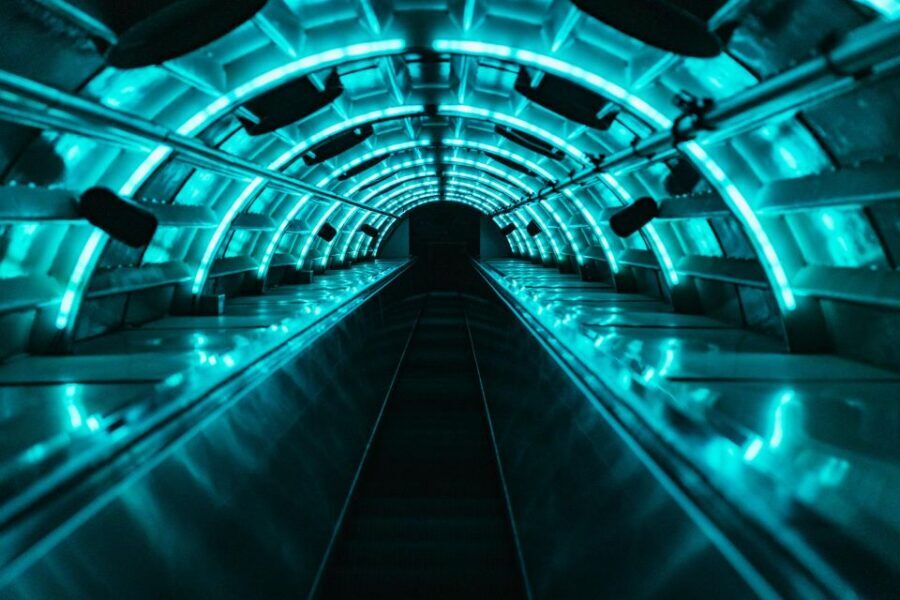
The Atomium runs with elevator lines and foot traffic, and timing affects your mood more than you’d think. You’ll be happier if you can steer clear of the heaviest window, 10:00 AM to 3:00 PM. After 3:30 PM, visitor flow tends to ease up.
During holidays, crowds can spike hard, and that can mean longer waits. If you like data, check the provider’s Facebook and Google pages for real-time visitor counts.
One more timing note: apart from the upper sphere, the Atomium is not easy to move around for people with restricted mobility. Also, because the building relies on an elevator for the top, lines can add time. There can be delays due to slower elevator processing, including after health-related changes like COVID-era queue adjustments.
My advice is simple: if you can, arrive when the attraction opens. You’ll spend less time funneling through lines and more time actually looking at the light, architecture, and exhibits.
Arriving at the Atomium: smooth entry, then choose your route
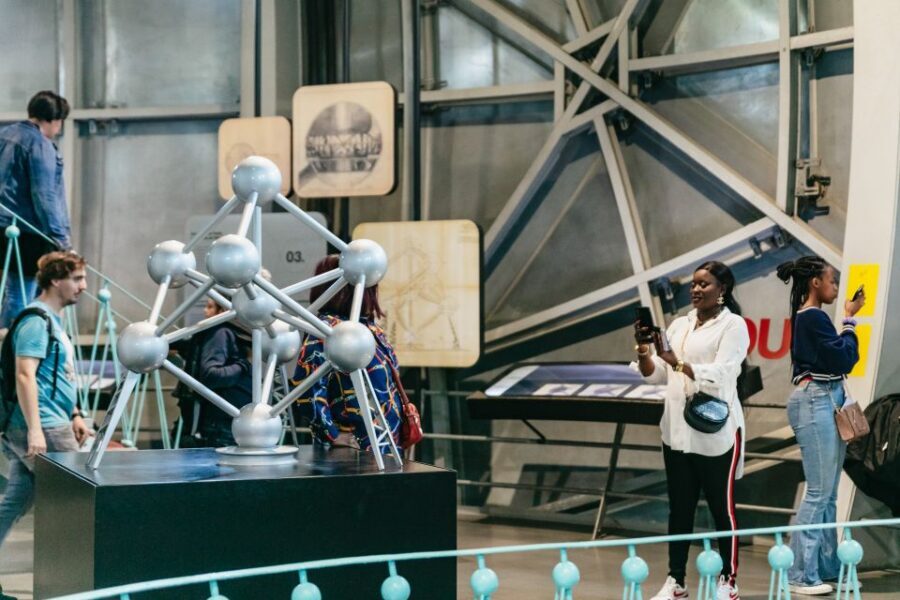
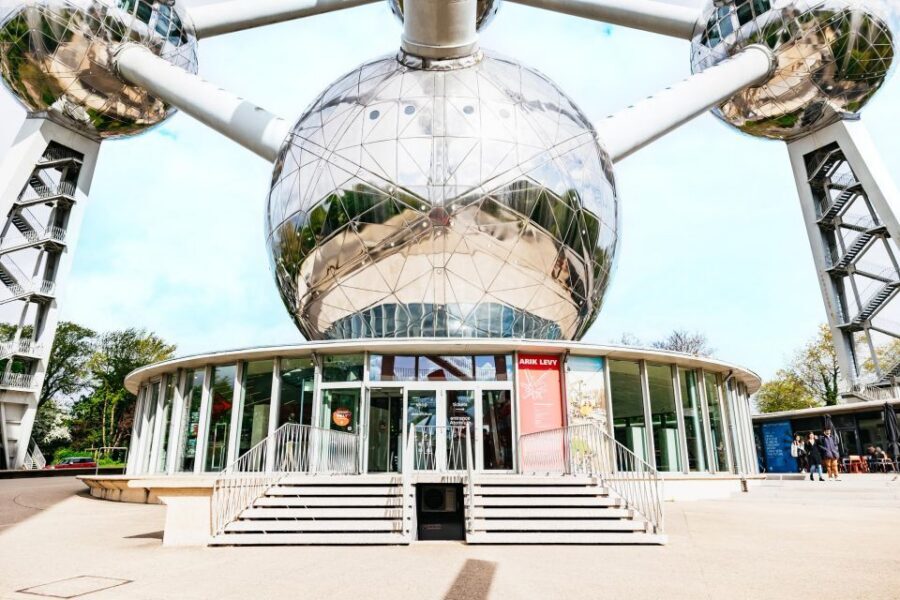
Your start is straightforward: go to the ticketing pavilion at the Atomium. After that, you’re in. One of the best-feeling parts of this experience is that the process is set up so you can show your code and get going without wasting time at a ticket counter.
Once you’re inside, decide your order early. You can do the viewing/top first using the lift, or you can start at lower levels and work upward. If you start downstairs first, you may have to go back down later to use the lift for the viewing platform and restaurant area. If you start with the lift, you reduce that “backtrack” feeling.
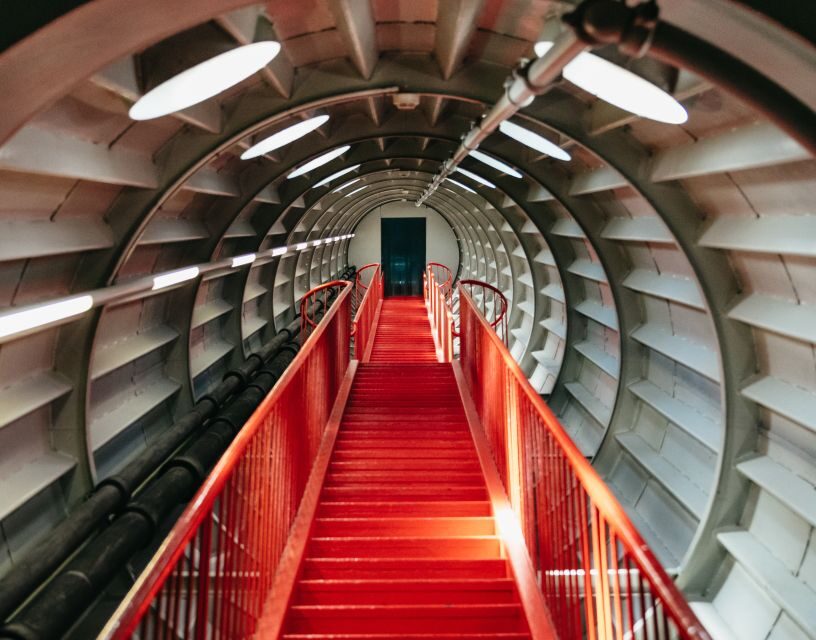
Also keep your expectations realistic about walking. There are 80 steps to walk up and 167 steps to walk down, and the guidance is clear: you can’t avoid them.
Wear shoes that you’ll trust on a moving-body day. The building is fun, but it’s also a lot of vertical movement.
First stop: outside views and the “iron crystal” concept
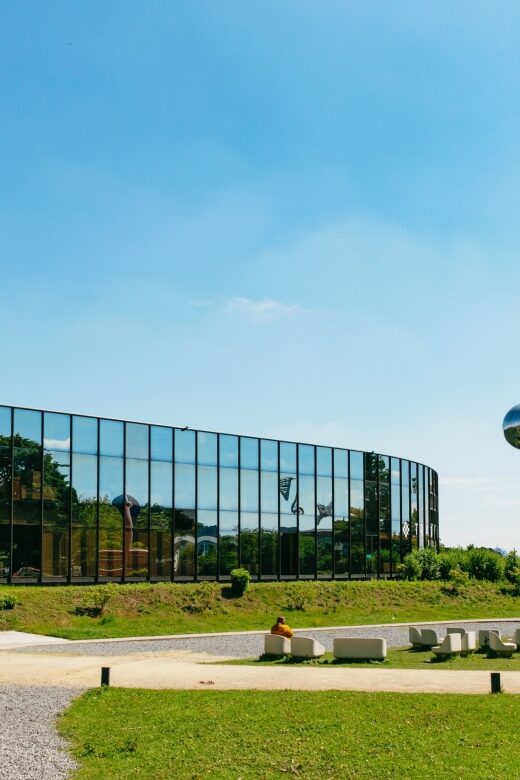
Before you even choose a route inside, take a minute with the outside. The Atomium is a lattice of spheres that makes Brussels look slightly futuristic, even if you’re standing in the middle of everyday city streets.
That “iron crystal” idea isn’t just marketing. The building’s shape helps explain the rest of your visit. When you understand it as a magnified crystal model, the interior feels less like random rooms and more like the next logical step: geometry turned into lived space.
Then the building does what it does best—getting you thinking about scale. You’ll be walking inside a structure designed for the 1958 fair, but the effects inside make it feel more like a modern media installation than a museum in an old building.
Other Brussels museum tickets we've reviewed in Brussels

The 360-degree viewing experience (and what you should do there)
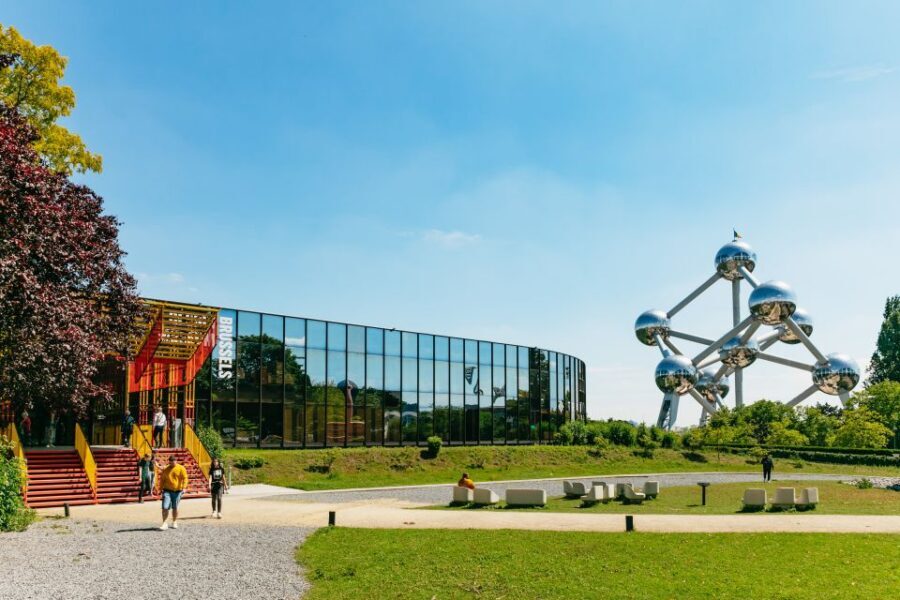
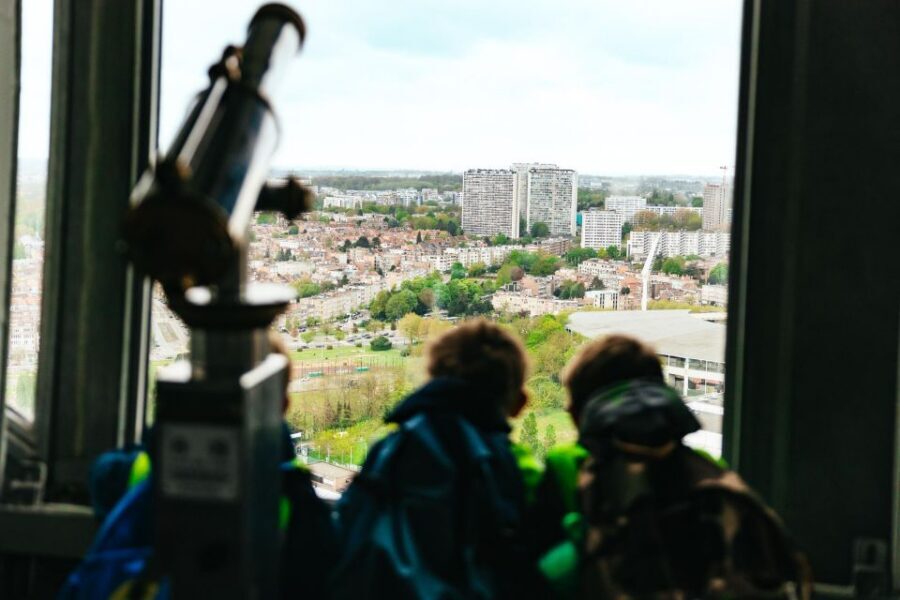
The payoff of the Atomium is the views. You’re looking out from a top vantage that lets you see Brussels spread across the 19 municipalities. On a clear day, it’s the kind of view that gives you quick context: where neighborhoods sit, how the city stretches, and what direction key areas lie.
Here’s the practical part: if the lift line looks slow, you can still make it work. Go when you’re scheduled to be inside, and treat the lift as a key “anchor stop” rather than a background step.
Once you’re up, you’re also close to the restaurant area (which is high up, at 95 meters). If you care more about spending time than waiting for a meal, plan differently—more on food later.
Permanent exhibitions: World Fair roots, CENTRALE, and Visual Systems
Inside, the permanent content is built around one big idea: this wasn’t only a sculpture for the 1958 fair. It’s a monument with an evolving story.
You’ll see the permanent exhibition about the history of the Atomium itself—how it was created as a pavilion for the 1958 World Fair. That background matters because the Atomium isn’t just a pretty structure. It’s a design statement from the era when fairs sold a future-forward fantasy to the world.
Then there’s the new permanent installation called CENTRALE. The central sphere is presented as the point where forces come together—so you’re not only seeing form. You’re learning the “why” behind the shape.
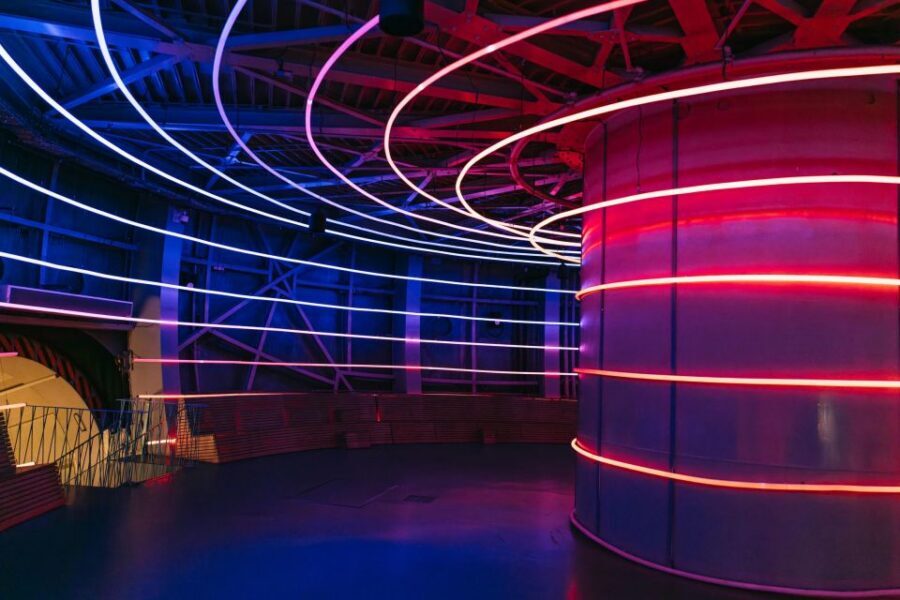
The art of Visual Systems adds a light dimension—rings of light that help your brain translate structure into motion and atmosphere. From a visitor-experience standpoint, this is where the Atomium feels most playful. The light elements make it easier to process what you’re looking at, even if architecture isn’t your main hobby.
Temporary exhibitions: RESTART and the future-focused photo vision
Two rotating exhibitions give your visit energy beyond the permanent displays.
RESTART is a sound-and-light experience. The whole point is to make you feel the building through effects—light changing with sound and rooms built for sensory impact. If you want a break from reading and walking, this is usually the kind of stop where time slips by.
The other temporary show, I have seen the Future, uses photography to connect World Fairs to what happened afterward. It focuses on how fairs left their mark on both North America and Europe. That gives your visit a bigger frame: you’re not only standing inside Belgium’s fair relic; you’re comparing how “future dreams” spread across continents.
Together, these exhibits are valuable because they change the mood of your walk. The Atomium can be architectural, but the rotating elements keep it human-scale. You’ll get that sense of technology, optimism, and media all in one building.
The Design Museum Brussels: Belgian design, plastics, and product ideas
After the Atomium, the ticket leads you to Design Museum Brussels, an easy walk away. This is the part that turns the day from “cool building” into “why design matters.”
You’re looking at Belgian design history through permanent and temporary exhibits. One strong highlight is the Plastics-focused collection: around 2,000 plastic objects. Even if you don’t think you’re a “plastics person,” the sheer range can change how you see modern life. Everyday products have design decisions baked into them, and the museum helps you notice those choices.
The museum is also where you’ll see design subjects that feel practical and fun—think skateboard-related designs and other creative forms. It’s not just academic. It’s visual and object-based, and that makes it easier to enjoy even with limited time.
One real-world planning tip: if you feel rushed, don’t try to treat the museum like a full-day research project. Treat it like a highlight hunt. Spend enough time to see the plastics collection and any featured design displays that catch your eye, then move on.
In some cases, kids may prefer the Atomium over the museum. If you’re traveling with younger visitors, expect the Atomium to win the attention contest more often than not.
Food and drinks: when the high restaurant is worth it
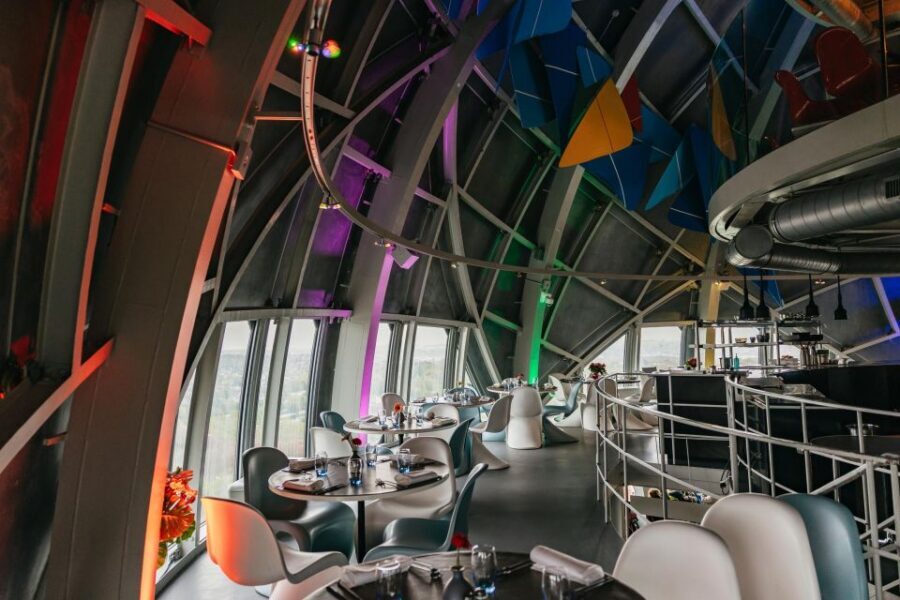
At the Atomium, the Atomium Restaurant sits around 95 meters above ground, so the views are part of the experience. There’s also mention of the option to buy Belgian specialties or seasonal dishes.
Here’s the balanced take: the views sound great, but on-site meals can cost more and can take longer than you want on a day built around timed entry and stairs. If you want food without sacrificing too much time, you might be better off with a quicker plan.
Reviews and visitor notes also point to a cafe at the bottom with pasta, sandwiches, and Belgian waffles. That tends to be a more practical choice if you want energy for more walking without getting stuck waiting for a full meal service.
How long to plan, and the order that saves energy
This ticket is flexible, but your body and schedule aren’t. The Atomium alone can eat time because you’re moving through multiple levels, exhibits, and at least one elevator ride if you want the top-view payoff.
A smart approach is to plan your day with a simple priority list:
- Top sphere and panoramic views
- RESTART light-and-sound stop
- Permanent content that explains CENTRALE and Visual Systems
- Design Museum highlights (especially Plastics Design and featured design items)
Because the building involves 80 steps up and 167 steps down, I’d rather you not treat this as a quick drive-by. It’s doable in a half-day, but you’ll enjoy it more if you give it room.
Also, if you start downstairs first, be ready for the possibility that you’ll need to go back for the lift viewing and restaurant area. That’s not wrong—it’s just a time-management choice. If you want to reduce friction, do the lift/viewing first, then work through lower levels.
Who should buy this Atomium + Design Museum ticket
You’ll like this ticket most if you want:
- A major Brussels landmark with real context (not just photos)
- A design museum stop that’s connected to the building and Belgium’s creative reputation
- A mix of architecture and media-style exhibition moments
It’s also a good option for people who enjoy modern forms and light effects, because the Atomium experience leans hard into that with Visual Systems and the RESTART sound-and-light show.
You might rethink it if:
- Wheelchair access is a requirement. The Atomium is not suitable for wheelchairs, and only the upper sphere is accessible by lift.
- You hate stairs. The steps are unavoidable.
If you fall in the middle—comfortable with walking, okay with stairs, but not thrilled by crowds—your best strategy is early arrival and a focus on the key exhibits.
Should you book this Atomium + Design Museum ticket?
Book it if you want a strong one-day combo that covers both a famous architectural icon and Belgian design in the same ticket price. This is especially worth it if you like understanding what you’re seeing—World Fair origins, CENTRALE’s role, and the way rotating shows translate “future thinking” into light, sound, and photography.
Don’t book it if you need fully wheelchair-friendly access or you know you can’t handle heavy stair counts. Also, if you’re traveling during peak hours and you absolutely hate crowds, you’ll need a flexible schedule or you may feel rushed.
If you do go, plan early, bring headphones for the included smartphone game experience, and consider the lift/viewing first to keep your time efficient. This ticket rewards smart pacing—and when you hit the right timing, it feels like more than just another stop in Brussels.
FAQ
How long is the Atomium ticket valid?
It’s valid for 1 day, with the exact starting times depending on availability.
Does the ticket include both the Atomium and the Design Museum Brussels?
Yes. Admission to the Atomium includes the temporary and permanent exhibitions, and your ticket also includes entry to the Design Museum Brussels (about an 8-minute walk away).
What’s included besides admission tickets?
A smartphone game is included.
Do I need headphones for this experience?
Yes, you should bring headphones.
What time should I visit to avoid crowds?
You’re advised to visit when it opens and to avoid peak time between 10:00 AM and 3:00 PM. After 3:30 PM, visitor flow tends to reduce.
Is the Atomium accessible for wheelchair users?
No. Apart from the upper sphere (accessible by lift), the rest is not easy to access for people with restricted mobility, and it is not suitable for wheelchairs.
Are there lots of stairs?
Yes. There are 80 steps to walk up and 167 steps to walk down, and it is impossible to avoid this.
Is food included with the ticket?
No. Meals and drinks are not included.
Is there a guided tour included?
No. This includes admission and the smartphone game, but guided tour is not included.
Where do I go when I arrive?
Go to the ticketing pavilion at the Atomium. The experience ends back at the meeting point.