REVIEW · BRUSSELS
Evening Tour: The Dark Side of Brussels
Book on Viator →Operated by Legends of Bruges Free & Private Tours · Bookable on Viator
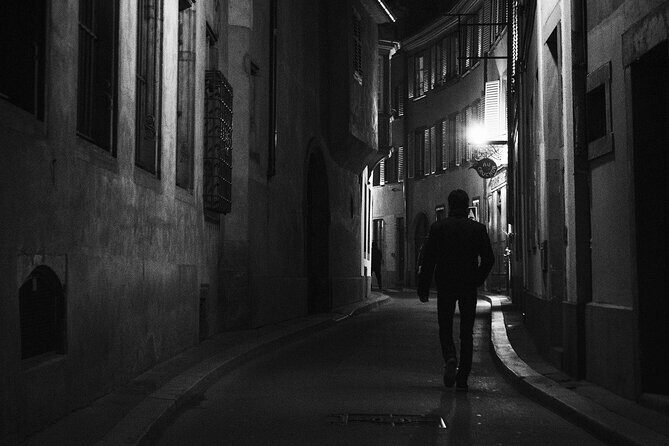
Brussels gets darker after dark. This English evening walking tour strings together famous landmarks and lesser-known streets, with stories that lean grim without turning into horror. You move at a human pace for about 2 hours, starting right in the middle of it all.
I love two things here: the mix of major architecture (like Notre-Dame du Sablon and the Palace of Justice) with neighborhoods that feel more local, and the way guides make the “dark side” material feel historical, not sensational. I also like that different guides bring their own personality—names like Den, Sebastian, Ann Marie, Gunny, Rahim (and Rahiem), Ian, and David show up in past groups, and the common thread is storytelling that keeps you engaged.
One thing to watch: the title can set the wrong expectation. This isn’t a scare-fest, and some people feel it’s more “night history with unpleasant chapters” than true sleaze. Also, you’ll do a fair amount of walking in the evening, and Grand Place can be crowded when you’re trying to spot your guide.
In This Review
- Key Highlights Before You Go
- Starting at Grand Place: finding your guide fast
- Sablon squares, Notre-Dame du Sablon, and the first “darker” stories
- The Palace of Justice and Petit Sablon: power, punishment, and views
- Marolles at night: Jeu de Balle flea market energy and Kapellekerk history
- What the title really means: darker stories without going full horror
- Price and logistics: the real value is the guide and the route
- Should you book the Dark Side of Brussels evening walk?
- FAQ
- Where does the tour start?
- Where does the tour end?
- How long is the Evening Tour: The Dark Side of Brussels?
- How much does it cost and how big is the group?
- Is the tour offered in English, and do I get a mobile ticket?
- What sights are included on the route?
- Can I cancel for free?
Key Highlights Before You Go
- Grand Place meetup clarity: the guide should be in front of City Hall on the main square.
- Sablon to Marolles route: you get both the showpiece churches and the everyday neighborhood feel.
- Palace of Justice stop: big, dramatic courthouse architecture plus that uphill vantage.
- Petit Sablon statues: 48 small bronze figures tied to medieval guilds.
- Jeu de Balle flea market area: daily secondhand chaos, vintage finds, and local bustle at night.
- Kapellekerk finish: a Marolles church linked to a chapel founded in 1134.
Starting at Grand Place: finding your guide fast
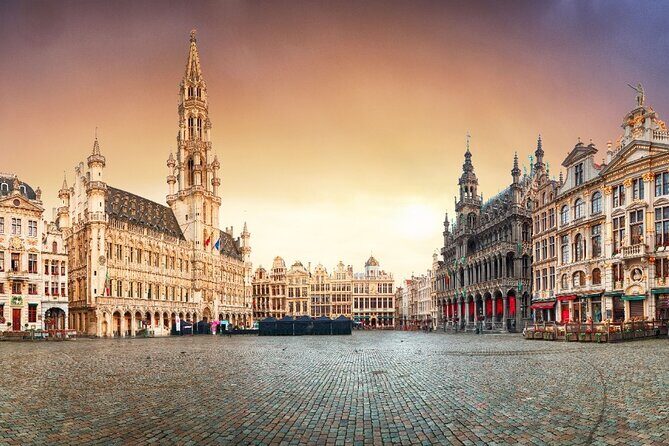
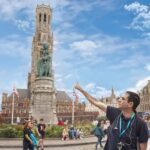
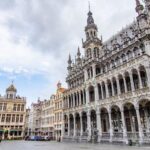
Your tour starts at Grand Place / Grote Markt (1000 Brussels). It’s central, it’s packed, and it’s easy to lose time if you arrive late. I’d plan to be there a few minutes early, then look for the guide near City Hall—that’s where the guide is described as meeting people when groups have trouble locating them.
This tour runs in English and uses a mobile ticket, which keeps your setup simple. The route is designed for evening foot traffic, with a max of 35 people, so you won’t feel swallowed by a huge crowd. Still, because Grand Place is busy, your best bet is to control the first variable: show up on time, stand in a clear spot, and listen for the group call.
Pace-wise, it’s “walking tour” pace, not a sightseeing bus. Past groups mention it can feel a bit more strenuous than the title suggests, so wear shoes you trust for uneven sidewalks and cobbles—then you’ll glide instead of plot an escape route after 30 minutes.
Other dark side and crime tours we've reviewed in Brussels
Sablon squares, Notre-Dame du Sablon, and the first “darker” stories
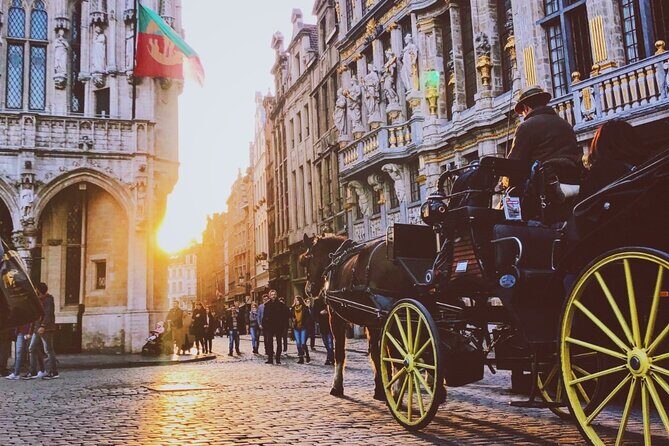
The first stretch introduces you to the Sablon area’s mix of polished beauty and everyday city life. You’ll get a quick hit at Place du Grand Sablon, where the tour frames the district around the market vibe—think stalls, crafts, and that Brussels habit of mixing daily life with culture. Even if you’re not shopping, this kind of stop helps you understand the city’s rhythm before the heavier topics start.
Next comes Place Saint-Jean, a historic square built for pausing. You’ll be surrounded by old buildings and cafe atmosphere, with St. John the Baptist Church as the standout landmark. This is also a good moment to reset your ears—talking about serious topics while you’re still walking non-stop gets tiring, and squares like this break the rhythm without stopping the story engine.
From there, the tour shifts into neighborhood texture with:
- Tour Anneessens, a district known for its mix of architectural styles and local energy, framed through history and community.
- Rue de Rollebeek, a cobbled street vibe with small cafes and boutique shops—perfect for hearing how the city feels when you’re not in the main postcard zone.
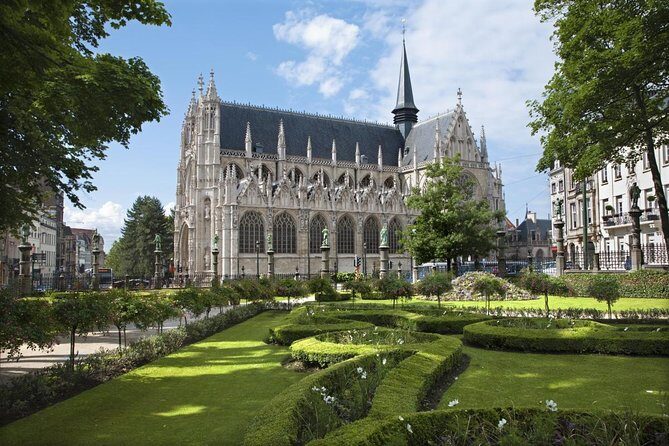
Then you reach one of the tour’s architectural anchors: Notre-Dame du Sablon (a Gothic church in the Sablon district). You’ll spend time with its stained glass and intricate detailing—so yes, it’s beautiful, but the point of the stop is also cultural. This is where guides tend to connect art and faith to the way Brussels shaped power and public life over time.
Each of these early stops is timed tightly (about 10 minutes each), so you’re not waiting around. It’s more like chapters in a book: short scene, clear takeaway, then move.
The Palace of Justice and Petit Sablon: power, punishment, and views

After the Sablon introductions, the tour turns to one of Brussels’ most dramatic statements of authority: the Palace of Justice. It’s described as a huge courthouse with grand neoclassical architecture and a commanding position up on a hill. The practical benefit of this stop is the view—standing higher in the city helps you grasp how the streets connect, even when you’re only seeing it for a few minutes.
But the “dark side” theme isn’t random at this point. A courthouse is built around the idea of law, punishment, and public order—so the stories here tend to connect architecture to what the system did in real life. Past descriptions also mention darker themes like torture, murder, and punishment, but the tour approach comes across as historical and explanatory rather than grim for shock value.
Then you’ll finish this segment at Square du Petit Sablon. This garden square is famous for its 48 small bronze statues representing medieval guilds. This stop is a clever choice for the tour’s theme: guilds were tied to trade power, public status, and rules that affected ordinary people. So while you’re relaxing among greenery and statues, you’re also getting a window into how social rank and work shaped the city.
Marolles at night: Jeu de Balle flea market energy and Kapellekerk history
Now the tour really leans into the less-touristy parts of central Brussels, where the vibe feels more lived-in. You’ll hit Place du Jeu de Balle, which is tightly linked to the Marolles flea market held there every day. Even if you’re doing this at night (when it’s not the daytime market chaos), the area still carries that secondhand spirit: vintage goods, old photographs, used furniture, and clothing show up in the story context, along with the welcoming local atmosphere.
This is one of the stops that helps the tour feel different from a standard highlights loop. You get the “Brussels people actually live here” feeling, not just the grand monuments. And for anyone hoping the dark theme would mean seedy streets, this is where the tour most convincingly delivers a sense of the city’s rough edges—without turning it into a theme park of misery.
The walk ends at Kapellekerk (Kapellekirke), in the vernacular Marolles neighborhood. The church is connected to an earlier chapel founded in 1134, so the tour closes with a long historical echo. It’s a fitting ending: you start in the city center’s iconic public stage, and you finish in a neighborhood church that points back to the earliest layers of local life.
Time-wise, the last church stop is shorter (about 5 minutes), so don’t expect a full-length church visit. Think of it as the final “turn of the page,” with the guide leaving you with the big historical meaning before you head off into the neighborhood on your own.
What the title really means: darker stories without going full horror
The biggest pattern from the tour’s setup is that “Dark Side” can be interpreted two ways:
- You want darker, uncomfortable facts.
- You don’t necessarily want shock content.
That matches what guides seem to do well. Descriptions include stories about punishment and grim events, but the overall tone is framed as historical education—often laid back, sometimes funny, and usually not grizzly in the way people fear.
Also, the tour isn’t always described as a strict “night-only dark underworld” route. Some people feel the stop choices overlap with daytime sightseeing and that the dark angle is more about lesser-known chapters than about dark alleys. If you’re looking for a purely nighttime thrill theme, you might feel slightly shortchanged. If you’re looking for evening ambience plus honest history, you’ll likely enjoy the blend.
One more practical note: voice clarity matters on a walking tour. A quiet guide voice is mentioned in past feedback, so if you sit near the front, you’ll hear more. If you struggle with audio, position yourself where you can see the guide’s mouth and gestures—works better than straining.
Other evening experiences in Brussels

Price and logistics: the real value is the guide and the route
The price is listed as $3.62 per group (up to 6), for about 2 hours. That’s unusually low in the world of guided tours—so the value equation here is less about “what do I get for the money?” and more about “how much do I support the person guiding me?”
A repeated theme from past experiences is that this tour is essentially low-cost to book, and guides depend heavily on tips. If you go, bring small cash in euros and tip like you mean it. One person even suggests tipping what you’d pay for a more normal paid tour because the guide’s job is still real work: keeping the group together, telling the stories, and covering the route.
Logistics are also straightforward:
- English speaking
- Mobile ticket
- Near public transportation
- Service animals allowed
- Confirmation received at booking
- Free cancellation up to 24 hours before the start time (and if minimum traveler numbers aren’t met, you’ll be offered a different date/experience or a full refund)
So you’re not taking a huge financial risk. The main risk is expectation mismatch: know that it’s an evening walking tour with darker history themes, not a dedicated horror tour.
Should you book the Dark Side of Brussels evening walk?
I think it’s a solid choice if you want a different angle on central Brussels—one that mixes big landmarks with neighborhood texture, and tells unpleasant historical stories in a way that stays understandable. It’s also great for your first or second evening in town because it’s focused: you’ll see a lot of key areas in about two hours without feeling like you’re wasting time between stops.
Don’t book it if your goal is a full-on “gritty scandal tour” with maximum shock factor and a strict dark-only route. And if you hate walking, plan to take it easy—this is still a nighttime stroll through multiple squares and streets.
If you do book it, bring comfortable shoes, arrive early at Grand Place so you can find the guide near City Hall, and have a little extra cash ready to tip. That combination turns a low-cost booking into a genuinely memorable night in Brussels.
FAQ
Where does the tour start?
The tour starts at Grand Place / Grote Markt, 1000 Brussels, Belgium.
Where does the tour end?
It ends at Kapellekerk in the Brux.-Chap / Brus.-Kap area, near Rue des Ursulines, 1000 Bruxelles, Belgium.
How long is the Evening Tour: The Dark Side of Brussels?
It lasts about 2 hours.
How much does it cost and how big is the group?
The price is $3.62 per group (up to 6), and the tour has a maximum of 35 travelers.
Is the tour offered in English, and do I get a mobile ticket?
Yes. It’s offered in English, and you receive a mobile ticket.
What sights are included on the route?
The walk includes stops such as Place du Grand Sablon, Place Saint-Jean, Tour Anneessens, Rue de Rollebeek, Notre-Dame du Sablon, Palace of Justice, Square du Petit Sablon, Place du Jeu de Balle, and ends at Kapellekerk.
Can I cancel for free?
Yes. You can cancel for a full refund if you cancel at least 24 hours in advance of the start time. If the tour is canceled due to minimum traveler numbers, you’ll be offered a different date/experience or a full refund.