REVIEW · BRUSSELS
Private Tour: The Dark Side of Brussels
Book on Viator →Operated by Legends of Bruges Free & Private Tours · Bookable on Viator
A dark-history tour in Brussels beats the usual checklist. The Dark Side of Brussels strings together gothic churches, law-in-stone architecture, and street corners with stories that lean toward the darker side of city life. I like that it’s private, so the pacing and stop choices can fit your group.
My favorite part is the focus on key landmarks you can actually see and read—starting at Grand Place and then working through Sablon and Marolles—without turning the outing into a museum marathon. Another win is the guide impact; names like Sebastian and Dan come up in past trips for keeping facts lively, with fun storytelling and clear explanations (including the tour’s darker theme, like executions).
One thing to consider: with a total runtime of about 2 hours, each stop is brief, so you won’t get long sits inside every church or a slow wander through every street detail.
In This Review
- Key highlights you’ll care about
- Entering Brussels’ Dark Side From Grand Place
- Practical note on time
- Grand Place to the Grand Sablon Market Area: Start With Color and Contrast
- Place Saint-Jean and St. John the Baptist: Church Power in a Small Square
- Tour Anneessens and Rue de Rollebeek: Neighborhood Texture and Street History
- Notre Dame du Sablon: Gothic Details With a Story Behind Them
- Palais de Justice (Justice Palace): Where Law Looks Like Power
- Petit Sablon’s Square: 48 Bronze Statues and a Calm Pause
- Place du Jeu de Balle and Kapellekerk: Marolles Energy Ends the Walk
- Guide style: how the storytelling makes the darker theme work
- Price and value for $105.02 per person
- Logistics that matter: where to meet and how to plan your route
- Who should book this tour, and who might want a different one
- Should you book The Dark Side of Brussels?
- FAQ
- How long is the Dark Side of Brussels private tour?
- Where does the tour start and end?
- Is this a private tour or a group tour?
- What language is the tour offered in?
- Do I need to print a ticket?
- Is a guide included in the price?
- Are the tour stops ticketed?
- What’s the cancellation policy?
Key highlights you’ll care about
- Private format in English: only your group, led by a professional guide.
- A tight 2-hour route that moves through Sablon, the Justice Palace hill, and Marolles.
- No separate admission charges listed for the stops along the way.
- Bookended by two big vibes: Grand Place at the start, then Kapellekerk in Marolles at the end.
- Marolles flea market energy at Place du Jeu de Balle (great for photos and people-watching).
- Architectural storytelling: gothic details at Notre Dame du Sablon and legal grandeur at the Palais de Justice.
Entering Brussels’ Dark Side From Grand Place
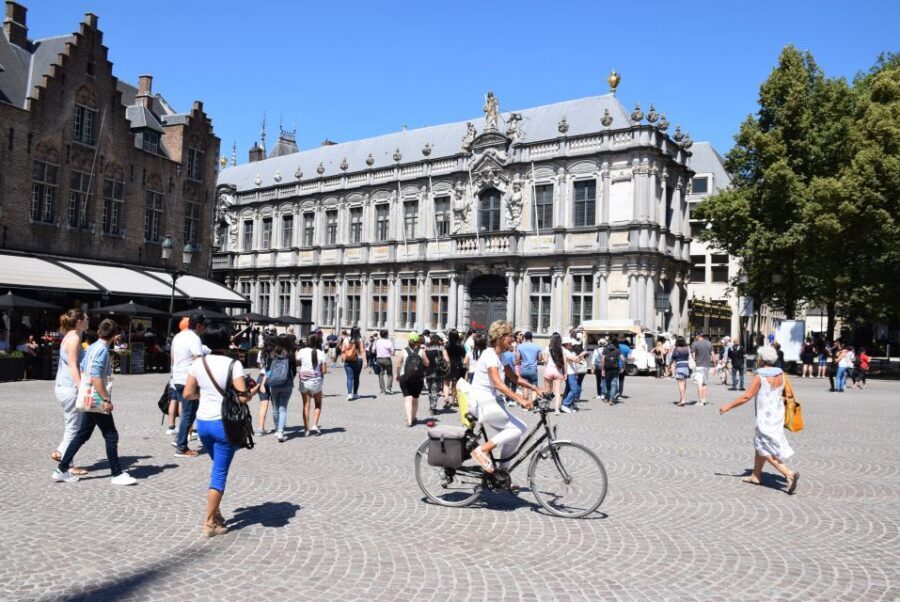
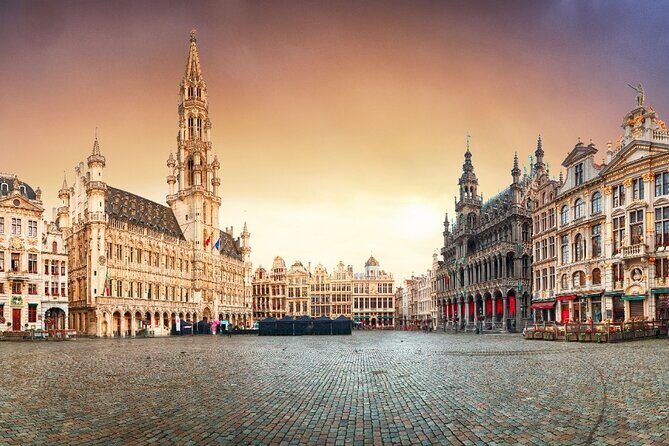
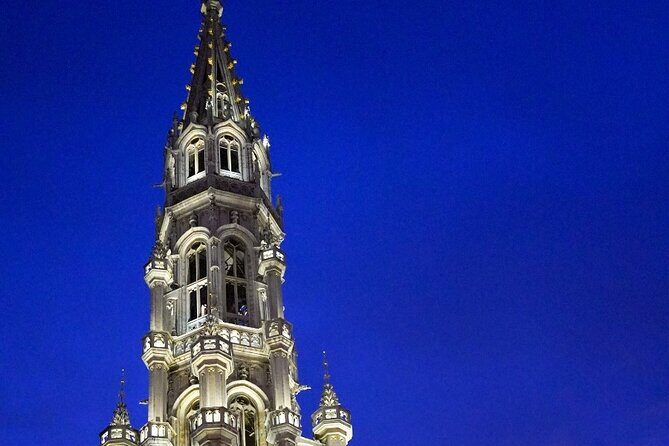
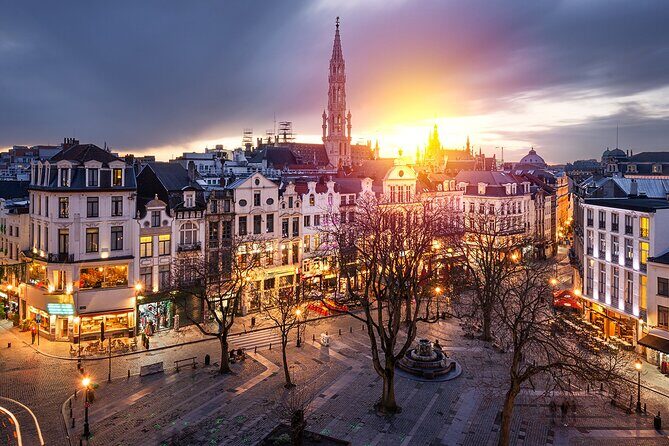
I love tours that use place names like clues. This one begins at Grand Place / Grote Markt, Brussels’ iconic core—easy to find, easy to picture, and full of visual “set dressing” for what comes next. You get that first hit of the city’s famous glamour before the guide starts shifting the mood.
The theme is not horror-movie stuff. It’s more about how a city built on power and politics also left behind a trail of consequences—judges, punishments, and public drama. If you’re the type who enjoys history told through streets and buildings, this format works.
Because it’s private, you’re not stuck following someone else’s pace or swallowing a one-size-fits-all lecture. And if your group has specific interests—architecture, church design, street history—your guide can usually lean into it. (Past guides like Sebastian and Dan have been praised for exactly that: clear details plus personality.)
Other private tours with a local we've reviewed in Brussels



Practical note on time
Plan for about 2 hours, and treat it like a curated walk, not a long “linger where you want” stroll. Each stop is short, so bring comfortable shoes and keep your camera ready.
Grand Place to the Grand Sablon Market Area: Start With Color and Contrast
The tour’s first major stop is in the Sablon area, around Place du Grand Sablon. This zone is famous for its mix of shops, crafts, and market-style atmosphere, and it’s a good place to begin because you can see daily life right away. You get a sense of Brussels as a working city, not just a postcard city.
One reason I like starting here for a dark-history concept: it’s contrast. You’re moving from everyday commerce into places tied to authority, law, and old power. It’s easier to understand the city’s “two faces” when you feel both within the same half-day.
You’ll also likely pick up small orientation details that make the rest of the walk less confusing. Instead of feeling like you’re hopping randomly between landmarks, you start seeing how the route forms a story arc.
Place Saint-Jean and St. John the Baptist: Church Power in a Small Square
Next up is Place Saint-Jean, a compact square with old-world charm and the St. John the Baptist Church as a centerpiece. This is the kind of spot where the architecture does the talking: you get that “grand building watching over a human-scale street” feeling.
Why it matters for the tour theme: churches like this weren’t just quiet religious spaces. They shaped community life, social order, and—indirectly—the kinds of conflicts and consequences that came later. The guide’s job here is to connect the visual cues to the story, so you don’t just see a pretty facade.
Then it’s onward, quickly. That’s the trade-off with the schedule: it’s fast, but you’re still getting enough context to make each stop feel purposeful.
Tour Anneessens and Rue de Rollebeek: Neighborhood Texture and Street History
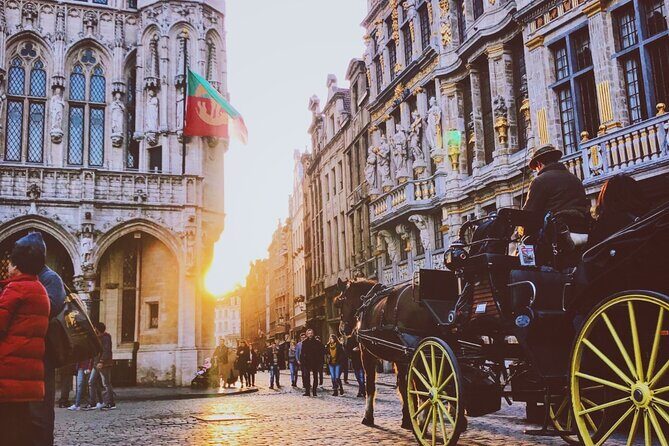
After Sablon, the walk shifts toward Tour Anneessens. This area gives you a different Brussels texture—more street-hugging, more neighborhood rhythm. You’re not staring at one famous landmark; you’re absorbing a district’s feel and how it evolved.
Right after that, you move to Rue de Rollebeek, a cobbled street lined with shops and cafes. This is a great stretch for capturing real “Brussels street” shots: the kind where the building edges and sidewalk patterns show you how people actually move around the city.
In a tour like this, street-level history is the secret sauce. It’s where the guide can explain how “big events” land in ordinary places—how city decisions and public life shape the blocks people live on.
Other dark side and crime tours we've reviewed in Brussels
Notre Dame du Sablon: Gothic Details With a Story Behind Them
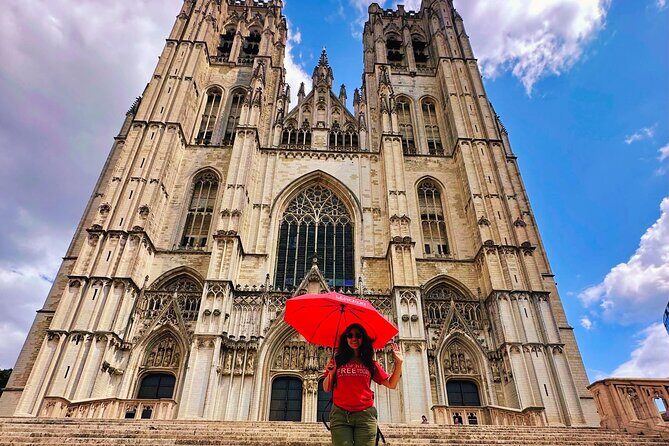
One of the most visually rewarding stops is Notre Dame du Sablon. It’s a gothic church, and the details matter—stained glass, intricate stonework, and that classic Brussels gothic mood.
I like this stop because it’s not only about admiring architecture. The guide can connect why this style shows up here and what it suggests about the city’s past priorities. Even if you’re not a church design expert, you’ll usually come away with a few “spot-this” details to look for, which makes your next similar church visit way easier.
Also, the tour doesn’t ask you to buy extra tickets for the stop itself (no separate admission listed for the church visit area). That keeps the walk feeling smooth and focused.
Palais de Justice (Justice Palace): Where Law Looks Like Power
Then comes the big one: Palais de Justice / Palais de Justice (Justice Palace). This is an imposing courthouse known for its monumental neoclassical look, and it sits up on a hill with serious presence. Even without stepping inside, you’ll feel its scale.
For the tour theme, this is the anchor point. A courthouse is where the city’s formal power shows itself. It’s where the stories shift from churches and squares to systems: justice, punishment, and the public side of consequences.
The guide’s challenge here is to keep it human. If the storytelling clicks, you don’t just remember that it’s large—you understand what kind of authority it represents and why people once cared so much about how courts worked.
Petit Sablon’s Square: 48 Bronze Statues and a Calm Pause
After the courthouse, the tour moves to Square du Petit Sablon. This is a garden square that feels calmer, and it gives you a visual break from monumental stone. The big detail you’ll want to notice: the 48 small bronze statues representing medieval guilds.
This stop is valuable because it turns “dark side” into “why power existed.” Guilds were part of the social engine: who made what, who had influence, and how the city ran. Even if your group is more interested in executions and scandal, guild history explains the backdrop.
It’s a short pause, but it helps reset your brain before the final neighborhood move into Marolles.
Place du Jeu de Balle and Kapellekerk: Marolles Energy Ends the Walk
The tour then heads to Place du Jeu de Balle, famous for the daily flea market in the Marolles neighborhood. This is where the atmosphere changes again—from monumental architecture to something more everyday and scrappy. You may spot old photographs, vintage items, second-hand clothing, and assorted treasures people swear are priceless.
I like ending (or nearly ending) here because it feels like the city still has stories in its seams. A flea market is basically a living archive. The guide can tie that into the broader theme: Brussels keeps moving, but old layers don’t completely disappear.
The final stop is Kapellekerk (Church of Our Lady of the Chapel). The tour’s description points to the chapel tradition going back to 1134, tied to the church’s name. This is a fitting end: after modern street life and daily commerce, you close with the long timeline beneath it all.
Guide style: how the storytelling makes the darker theme work
A dark-history tour can flop if it turns into either pure gloom or pure trivia. The better versions keep a light touch and make the past readable.
From what’s been praised in this tour’s past runs, guides like Sebastian and Dan are strong at mixing clear explanations with a fun personality. That matters because the tour moves quickly, and you need the “why this matters” in digestible chunks.
The theme also includes dramatic elements—like the mention of beheadings in the way the guide frames the stories—so you’re not just learning about buildings. You’re learning how people once experienced power, fear, and public judgment.
If your group enjoys history with a bit of bite (not just “look at the pretty church”), you’ll probably enjoy this format a lot.
Price and value for $105.02 per person
At $105.02 per person for about 2 hours, this is not a bargain-basement walking tour. But for a private setup with a professional guide, it can be good value—especially if you’re a small group.
Here’s how I judge the price in a case like this:
- You’re paying for time with a guide who can connect multiple landmark types—market squares, churches, a courthouse, and a flea market—into one coherent story.
- The stops are “front of the line” sights that you’ll want context for. If you were doing this alone, you’d spend time figuring out what to look at and how to connect the dots.
Also, this tour is popular enough that it’s often booked around 34 days in advance on average. If you’re traveling in peak periods, don’t wait until the last week.
Logistics that matter: where to meet and how to plan your route
You meet at Grand Place / Grote Markt in Brussels. The tour ends at Brux.-Chap / Brus.-Kap, Rue des Ursulines, at Kapellekerk in the neighborhood.
Because it’s near public transportation and uses a mobile ticket, it’s designed to be low-friction once you arrive. Service animals are allowed too.
The main planning tip is simple: pack for a walk. The stops are short, the route is compact, and you’ll want the flexibility to stand in good viewing spots quickly.
Who should book this tour, and who might want a different one
This is a strong match if you:
- Want a private guide and don’t want to fight a crowd.
- Like history told through real places, not just dates.
- Enjoy architecture with context—churches, a major courthouse, and older neighborhood streets.
- Have limited time and still want a “dark side” theme, not the standard highlights loop.
You might choose something else if you:
- Want long, slow interior time in multiple major buildings.
- Prefer a museum-style tour over street-level storytelling.
- Are only interested in one specific subject (like only medieval churches or only courts). This one blends several threads.
Should you book The Dark Side of Brussels?
If you’re the kind of traveler who likes your city with a twist—mood, power, consequences, and strong visual anchors—this tour is worth your attention. It’s fast, private, and built around a guide who keeps the story moving, with a tone that includes darker episodes without losing the thread.
The best reason to book is also the simplest: you get a lot of Brussels in about two hours, and it’s organized so the dark theme doesn’t feel random. For $105.02 per person, that’s a fair trade when you value guided context over wandering without a plan.
FAQ
How long is the Dark Side of Brussels private tour?
It’s listed as about 2 hours.
Where does the tour start and end?
The meeting point is Grand Place / Grote Markt (1000 Brussels). The tour ends at Kapellekerk on Rue des Ursulines (1000 Bruxelles).
Is this a private tour or a group tour?
It’s a private tour/activity, so only your group participates.
What language is the tour offered in?
It’s offered in English.
Do I need to print a ticket?
No. It uses a mobile ticket.
Is a guide included in the price?
Yes. A professional guide is included.
Are the tour stops ticketed?
The listed stops show admission ticket as free for each stop.
What’s the cancellation policy?
You can cancel for a full refund up to 24 hours before the experience’s start time.