REVIEW · BRUSSELS
Excursion to Bruges and Ghent by bus from Brussels
Book on Viator →Operated by Buendía · Bookable on Viator
Two medieval cities, one long day. That is the appeal of this Bruges and Ghent bus excursion from Brussels: guided walking tours, big photo moments, and just enough free time to feel like you’re not trapped in a schedule.
I like the way the day is built around the cities’ most recognizable landmarks, with a Spanish-speaking guide who keeps the story moving from canal-side views in Bruges to cathedral-and-guild landmarks in Ghent. I also really appreciate the built-in free time blocks (around 1.5 hours in each city), because you can grab chocolate, wander, and reset your legs.
The main drawback is simple: it’s a packed day (about 10 hours 30 minutes) with a lot of walking. If your group moves slower than expected, the Bruges portion can feel tight, especially since the itinerary order can sometimes vary depending on the guide and group.
In This Review
- Key things I’d circle before you book
- Brussels to Bruges and Ghent: the value of one ticket for two icons
- Getting on the air-conditioned coach without losing time
- Bruges on a guided “hits list”: canals, squares, and medieval women
- The Holy Blood core: Town Hall, Basilica, and the best photo-angle rhythm
- Medieval health, Michelangelo’s marble clue, and the tanner’s square
- Bruges free time: where to eat, and how to shop smart for chocolate
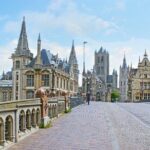
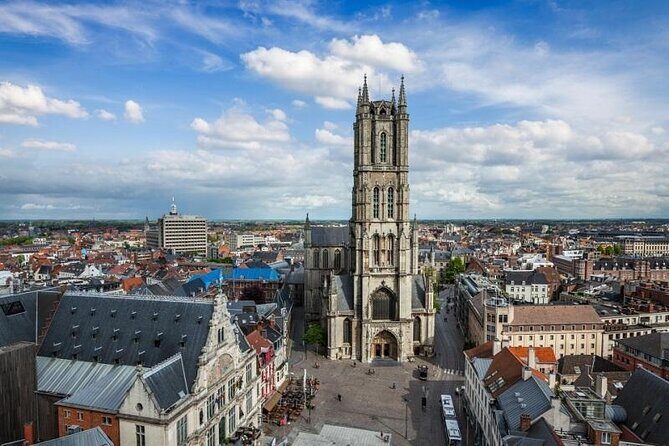
- Ghent’s first walk: Town Hall, Belfry, and St. Bavo’s Cathedral
- Ghent’s smaller beats: guild halls, bridges, and the Lys river banks
- Ending Ghent with a street sweet and a smart return plan
- Price and logistics: is it worth your day?
- Should you book this Bruges and Ghent bus tour?
- FAQ
- What time does the tour start, and where do I meet?
- How long is the day trip?
- Are Bruges and Ghent both guided?
- Is there free time in each city?
- Is food included in the price?
- Do I need headphones to hear the guide?
- What happens if the tour can’t run due to weather or too few travelers?
Key things I’d circle before you book
- Spanish guide plus a guided walking plan in both Bruges and Ghent, not just a bus drop-off
- Photo-heavy Bruges stops like Rozenhoedkaai and the canal lanes around the center
- Headphones/radios may be required in parts of Bruges; you can use a 3.5 mm jack or buy one on site
- Ghent’s headline sights include St. Bavo’s Cathedral and the Van Eyck painting it houses
- Max group size is 45, which helps the whole day feel controlled instead of chaotic
Brussels to Bruges and Ghent: the value of one ticket for two icons
This trip is built for travelers who want the medieval “wow” without doing a full day of planning and transfers. You start in Brussels at Carrefour de l’Europe (1000 Brussels) at 8:30 am, and you finish back at the same meeting point. There’s no hotel pickup included, so you’ll want to get yourself to the meeting area calmly and early.
For the price, what you’re really paying for is the combination of round-trip coach time plus two guided city walks. At about $54.45 per person, it’s usually a better deal than trying to stitch together separate day tickets and guides, especially when you’re aiming to cover both Bruges and Ghent in one go.
The big trade-off is time. The day runs roughly 10.5 hours, and the walking is real—cobblestones, bridges, and lots of short hops between landmarks. Bring comfortable shoes, and treat this as a long sightseeing day rather than a lazy stroll.
Other Bruges day trips we've reviewed in Brussels
Getting on the air-conditioned coach without losing time
The bus drop-off in Bruges is at Bargeplein (Katelijnparking), which makes the whole day feel organized right from the start. You get about 10 minutes for a quick bathroom stop while the guide gives you timing instructions for when to come back.
I like that the tour uses a mobile ticket, which cuts down on paper hassle. And because the coach is described as air-conditioned, you’re at least not stuck baking if the weather turns warm.
One practical detail: this is a Spain-speaking guided tour, so expect explanations in Spanish. If you rely heavily on English or your Spanish is basic, you can still follow the pacing because the stops are physical and visual—but it will be story-led, not translation-led.
Bruges on a guided “hits list”: canals, squares, and medieval women
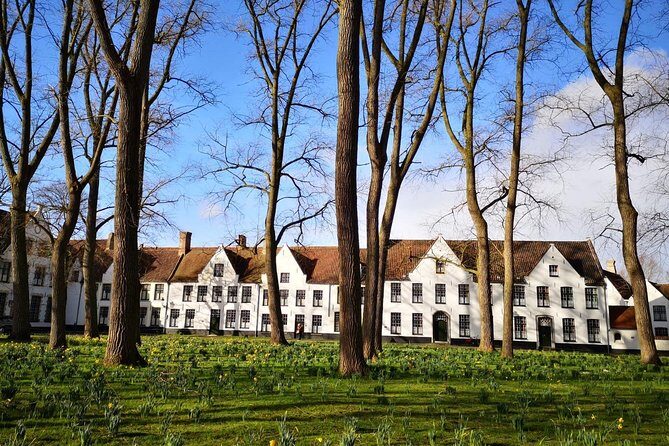
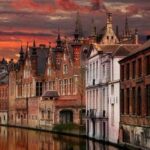
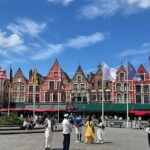
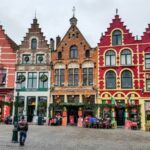
Bruges is the part of the day where the photos start stacking up fast. The tour focuses on the city’s medieval core: canal-side lanes, landmark squares, and the kind of street textures that look fake in brochures (until you’re standing there).
You’ll begin near scenic water at Minnewater Lake, also known as the Lake of Love. The guide’s job here is not just the scenery; it’s to give context so you understand why the place has that romantic reputation and what shaped Bruges in the first place. Even if you only take a few minutes, this is a strong “first impression” stop.
Next comes the Begijnhof (Beguinario), a community founded in 1245. This is one of those Bruges stops that turns your head from pretty buildings to how people actually lived. It’s also a good break from the busiest streets—quiet, historic, and easier to slow down for photos.
After that, the tour moves through streets and small squares that explain the city’s medieval fabric:
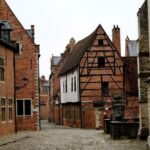
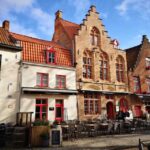
- Stoofstraat is used as a lesson in spotting older medieval houses.
- Walplein is where the guide brings up the story of Bruges beer—a reminder that this was not just a museum city.
- St Bonifacius Bridge adds a legend and gives you a short photo window.
These are quick stops by design. You’re not meant to “live” in each location; you’re meant to collect impressions, then use your free time later to go back to the spots that pulled you in.
The Holy Blood core: Town Hall, Basilica, and the best photo-angle rhythm
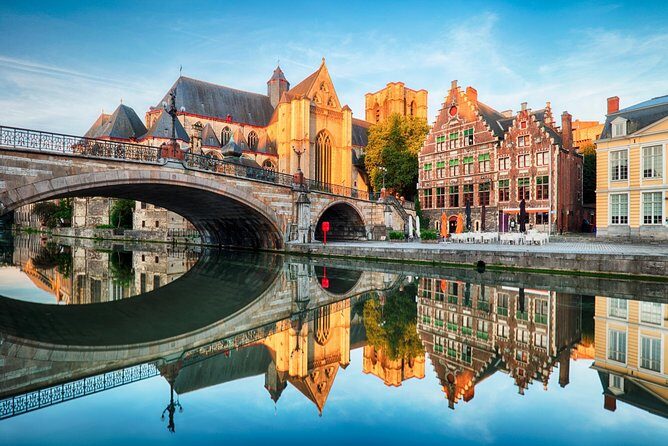
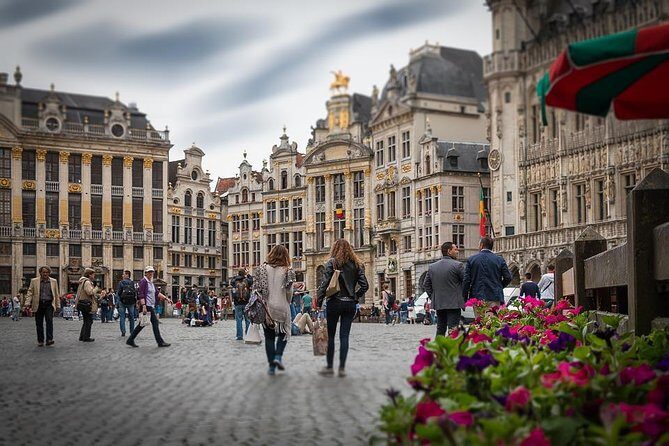
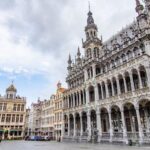
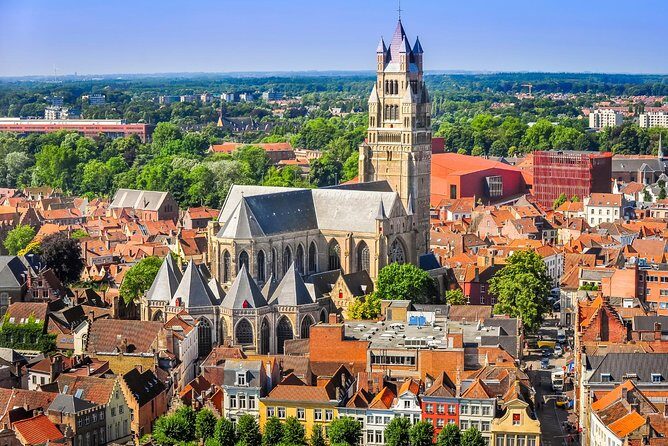
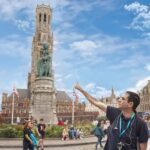
One of the most useful parts of this tour is that it repeatedly ties landmarks to the center of the city’s identity. You’ll get the story behind the Burg Square area—home to the Gothic Town Hall, the old courthouse, and the Basilica of the Holy Blood.
This is where Bruges stops being just a pretty walking circuit and becomes a political and religious hub. Even when the tour time is brief, you’re learning where power and faith sat in the same compact area.
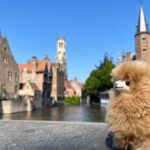
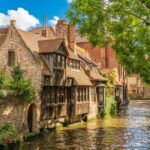
Then comes the stop that many people build their Bruges day around: Rozenhoedkaai (the famous riverfront view). This is the “postcard” angle, the one where you can see why the canal lanes dominate Bruges imagery. The guide also frames it historically, but the real value is timing. You hit it as part of a route, not after you’ve already wasted your best energy.
You also pause at Gruuthusemuseum to meet the story of the city’s powerful families between the 17th and 18th centuries. Again, this is a quick lesson stop—but it changes how you look at buildings you pass later on your own.
Medieval health, Michelangelo’s marble clue, and the tanner’s square
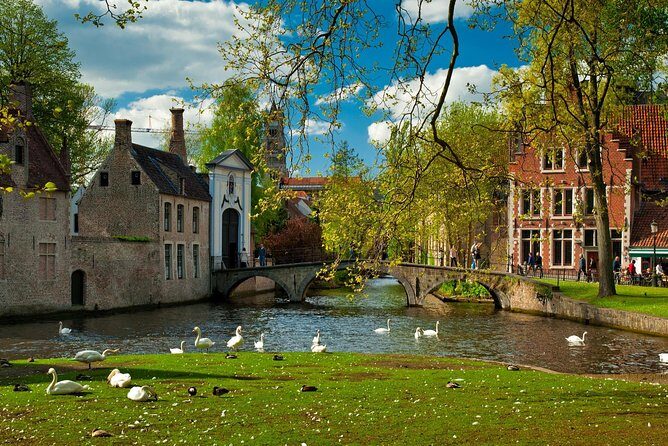
A standout section for me is the way the tour uses small, specific stops to make medieval life feel concrete.
You’ll be in front of Saint John’s Hospital, where the guide explains how the medieval health system worked. It’s not a lecture-free zone—you get the gist and then move on—but it’s memorable because it shifts the focus away from castles and cathedrals into daily institutions.
There’s also Onze-Lieve-Vrouwekerk (Church of Our Lady). From the outside, the tour points out curiosities about the white marble Virgin and Child created by Michelangelo, and notes that the work is found inside the church. Even if you don’t go in during this tour segment, that detail gives you a reason to care when you see the exterior.
Finally, the tour includes Huidenvettersplein (Tanners Square). This is a reminder that “old Bruges” wasn’t just nobility and merchants with time for art. It was labor, trades, and workshops—tanning being one of the city’s practical industries.
Other Ghent day trips we've reviewed in Brussels
Bruges free time: where to eat, and how to shop smart for chocolate
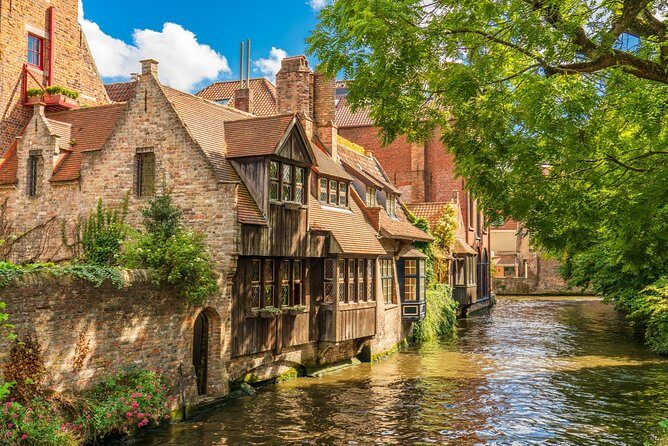
After the main guided walk, you get about 1.5 hours of free time in Bruges (timing can shift with traffic and group pace). This is the part where you decide how you want to “finish” the day: canals, shopping, or just looping back to favorite views.
One of the most helpful moments is that the guide teaches you how to use your time in the center. They’ll give tips on where to eat and where to buy traditional chocolate, and they’ll clearly remind you when and where to catch the bus to Ghent.
Right before your free roam, there’s a stop at Chocolalino, described as a certified artisan shop, where you can taste artisan chocolates. The guide also shares how to tell handmade from industrial chocolate—useful if you’ve ever ended up with “Belgian” chocolate that tastes like it could come from anywhere. This stop is short, but it gives you a buying filter for the rest of your shopping.
Ghent’s first walk: Town Hall, Belfry, and St. Bavo’s Cathedral
Then the bus transfers you to Ghent, and the tone shifts from Bruges’ water-and-lanes charm to Ghent’s big medieval civic energy. The guided walk starts in the center.
You begin in front of Ghent Town Hall (Stadhuis), where the guide points out different architectural styles. It’s a smart start because it trains your eye: you’re not just seeing one building—you’re learning why it looks the way it does.
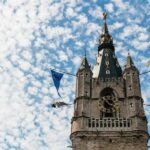
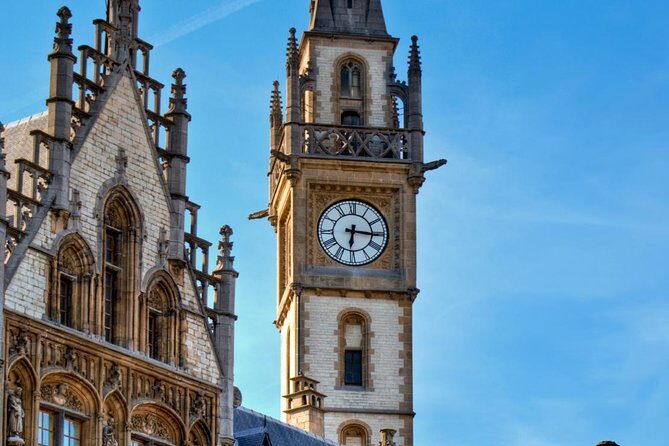
Next is the Belfry (Het Belfort van Gent). Expect the history lesson attached to the iconography, including the famous dragon story. It’s one of those moments where you’ll remember the detail later when you see photos.
After that comes the headline stop: St. Bavo’s Cathedral. The tour is set up to cover both the exterior and interior, and it highlights the famous altarpiece by the Van Eyck brothers: The Adoration of the Mystic Lamb. The tour also notes it as the most stolen painting in history, which gives you a reason to care beyond “it’s famous.”
This stop is one of the strongest for people who want more than scenery. Even if you’re not a strict art-historian, the cathedral context plus the Van Eyck story makes the interior feel purposeful.
Ghent’s smaller beats: guild halls, bridges, and the Lys river banks
After the cathedral, you keep walking through a sequence of sights that build a full picture of Ghent.
- Saint Nicholas Church is pointed out with a practical detail: Belgian churches often organize concerts and events.
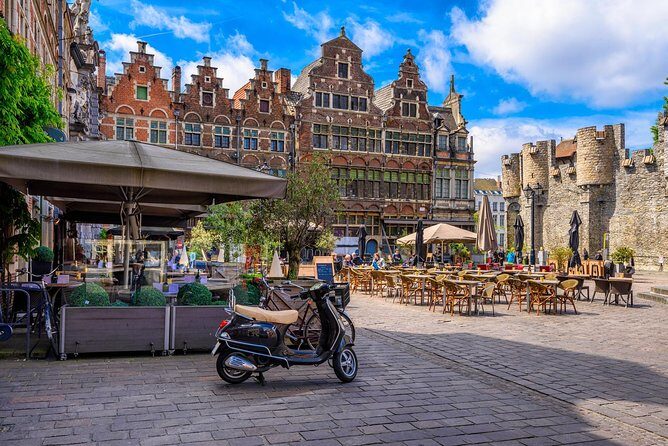
- Masons’ Guild Hall explains guild houses and why they were special.
- Korenmarkt gives the backstory of a building linked to the post office.
- St Michael’s Bridge is a quick photo moment and also connects the view to the tower history of the nearby church (San Miguel).
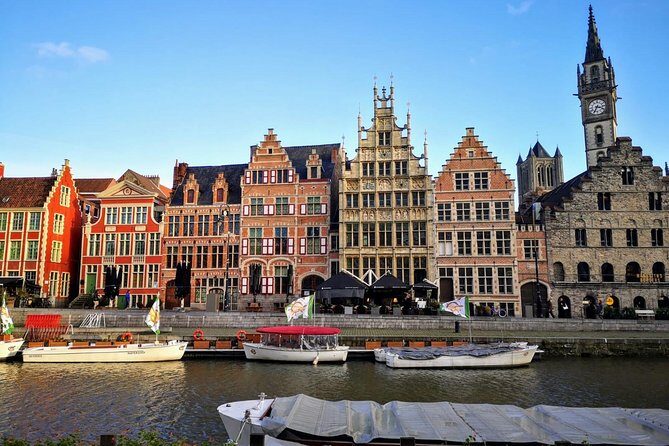
Then you hit Graslei and Korenlei, the classic banks of the Lys river. The guide points out buildings along the water—including a “grain house” reference and the note that a modern hotel exists in the area now. Again, it’s not just taking pictures; it’s understanding how this river-front shaped the city’s wealth.
You also stop at OOOST, the meat house dating back to the 15th century, originally functioning as a covered market. It’s a great counterpoint to the churches: food economy, commerce, and the kind of architecture that makes markets feel like civic monuments.
Ending Ghent with a street sweet and a smart return plan
Toward the end, the tour includes a small street-stall stop at Kleine Vismarkt for the seller to tell you about cuberdon, a well-known Ghent sweet. It’s small and fast, but it’s the kind of moment that makes a guided day trip feel human instead of purely structured.
The final guided stop is Sint-Veerleplein, where you get tips on where to eat and where to shop for souvenirs, plus the timing reminder for when to catch the bus back to Brussels.
Then you get another about 1.5 hours of free time in Ghent. If your energy holds up, this is when you can do one last loop—either around the riverfront areas you liked most, or back toward the center where you’ll find more cafés and small shops.
Price and logistics: is it worth your day?
At $54.45, this tour is good value if you want:
- One bus from Brussels to cover both Bruges and Ghent
- Two guided city segments with a Spanish-speaking guide
- Scheduled free time so you’re not only herded from stop to stop
It’s less ideal if you hate long days or you want deep museum time. This trip is designed around walking tours and landmark storytelling. There isn’t time to do extensive independent museum hours unless you plan for shorter visits or pick and choose during your free time.
Also, watch your expectations about pacing. The tour time includes a lot of short stops, so it can feel intense. If you’re someone who likes to linger, you’ll do best if you treat the guided portion as an orientation—then use your free time to slow down.
Finally, know that radio headsets may be used in Bruges for regulation reasons. If you don’t have headphones, you may be able to buy headphones for €1. The guidance also mentions you can use a wired headset with a 3.5 mm jack (not wireless).
Should you book this Bruges and Ghent bus tour?
I’d book it if you want a straightforward day trip with guided context and strong visual payoff—canals and squares in Bruges, plus cathedral and guild-laced Ghent. It’s especially appealing if you’re visiting Brussels for a short time and you’re trying to see two of Belgium’s biggest medieval cities without extra planning.
I’d think twice if you’re sensitive to walking time or if you need a slow, unstructured day. The day is long, and the stops are designed to move. But if you go in with the right mindset—comfortable shoes, flexible pacing, and a plan for chocolate and riverfront wandering—this is a very practical way to get the medieval highlights of both cities in one shot.
FAQ
What time does the tour start, and where do I meet?
You meet at Carrefour de l’Europe (1000 Brussels) and the tour starts at 8:30 am.
How long is the day trip?
The duration is about 10 hours 30 minutes (approx.).
Are Bruges and Ghent both guided?
Yes. You get a guided tour in Bruges and a guided tour in Ghent, led by a professional Spanish-speaking guide.
Is there free time in each city?
Yes. You’ll have about 1.5 hours of free time in Bruges and about 1.5 hours of free time in Ghent (depending on traffic and group pace).
Is food included in the price?
No. Food and drink are not included, but your guide can point you toward places to eat.
Do I need headphones to hear the guide?
In Bruges, rules sometimes require radio guides. You can use your own wired headphones with a 3.5 mm jack, and if you don’t have them you can buy headphones for €1.
What happens if the tour can’t run due to weather or too few travelers?
The tour requires good weather. If it’s canceled due to poor weather, you’ll be offered a different date or a full refund. If the minimum number of travelers isn’t met, you’ll also be offered a different date/experience or a full refund.