REVIEW · BRUSSELS
From Brussels: Bruges and Ghent Full-Day Trip by Train
Book on GetYourGuide →Operated by Bravo Discovery · Bookable on GetYourGuide
Bruges and Ghent in one day sounds wild. Yet this train trip works because you get guided orientation fast, then you can actually enjoy the medieval sights instead of wandering with no plan. I like that the day is built around the core highlights: canals and church towers in Bruges, then cathedral art and old-port views in Ghent.
Two things I really like: the 2.5-hour Bruges walk that gets you from canal edges to major squares, and the way Ghent’s stops string together Saint Bavo Cathedral, the belfries and markets, and then the scenery at Graslei and Gravensteen. One possible drawback is the pacing. Expect a lot of walking over uneven surfaces, and it’s a full 10-hour day even with breaks.
In This Review
- Key highlights worth circling
- Why this Bruges and Ghent day trip actually makes sense
- Getting to Bruges and Ghent from Brussels: the timing you should plan around
- Bruges canal-world: from Lake of Love to Beguinage gates
- Old St. John’s Hospital and the art-and-faith stop you can choose to go deeper on
- Squares, guildhalls, and the Belfort feel of Bruges
- Bruges free time: how to use your 2 hours well
- Ghent’s big shift: start with Saint Bavo Cathedral and its art layers
- Van Eyck’s Mystic Lamb option: when the extra ticket is worth it
- City Hall, market halls, and the belfries that define Ghent
- Graslei and Gravensteen: the postcard views you’re aiming for
- Patershol and the Great Butchers’ Hall: the food-scented side of medieval Ghent
- Optional extras and how to decide without losing your day
- Price and value: what your $82 buys you
- The guide experience: languages, group pace, and the human factor
- Who should book this tour, and who should skip it
- Should you book this Bruges and Ghent day trip?
- FAQ
- What time do I need to meet in Brussels?
- Does this tour leave Brussels every day?
- Is the canal boat trip included in the price?
- Is the Van Eyck Mystic Lamb included?
- How long is the day trip, and what time do you return to Brussels?
- What should I wear for this tour?
Key highlights worth circling
- Brussels to Flanders by train, with guide-led timing that keeps the day moving
- Bruges with 2.5 hours of guided walking plus 2 hours of free time for food and souvenirs
- Big Bruges photo stops, including Beguinage, Our Lady of Bruges, and the canal-side views
- Ghent cathedral art focus, from Saint Bavo Cathedral to the option of Van Eyck’s Mystic Lamb
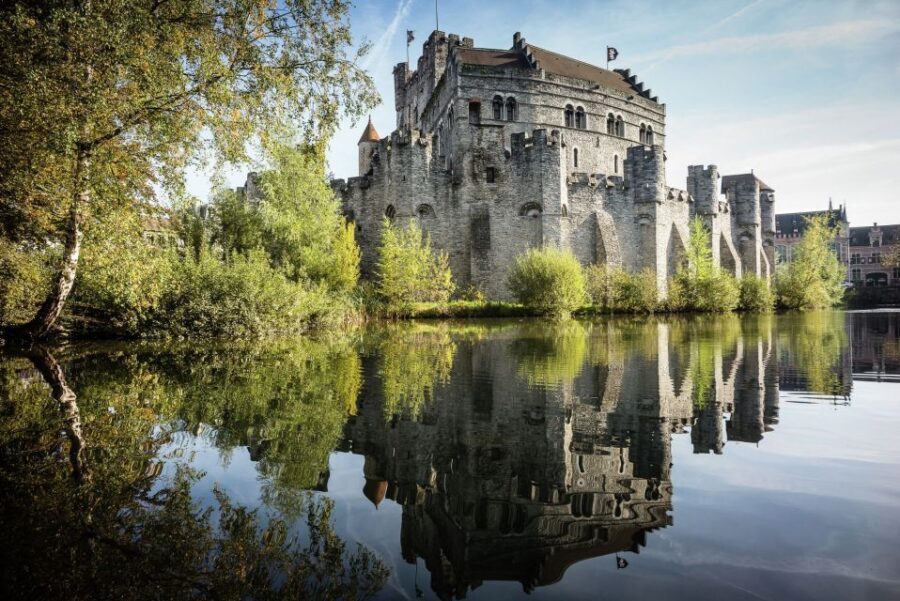
- Old-port and castle scenery, with views at Graslei and exploration of Gravensteen
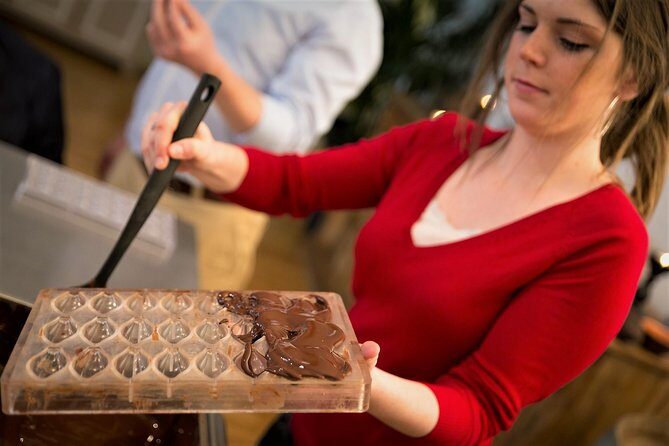
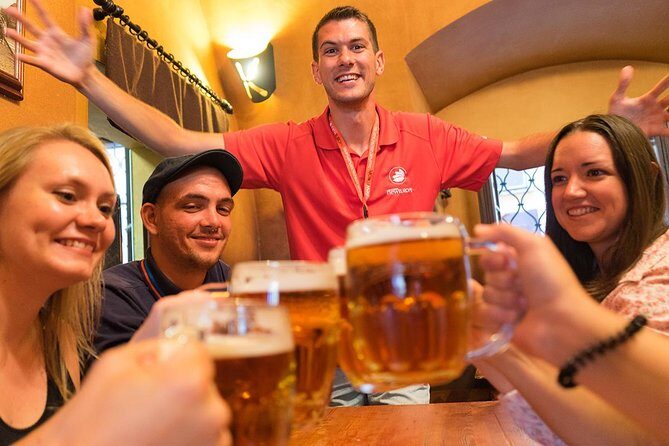
- Food and drinks built in, including Belgian chocolate, Moules Frites, and beer
Why this Bruges and Ghent day trip actually makes sense
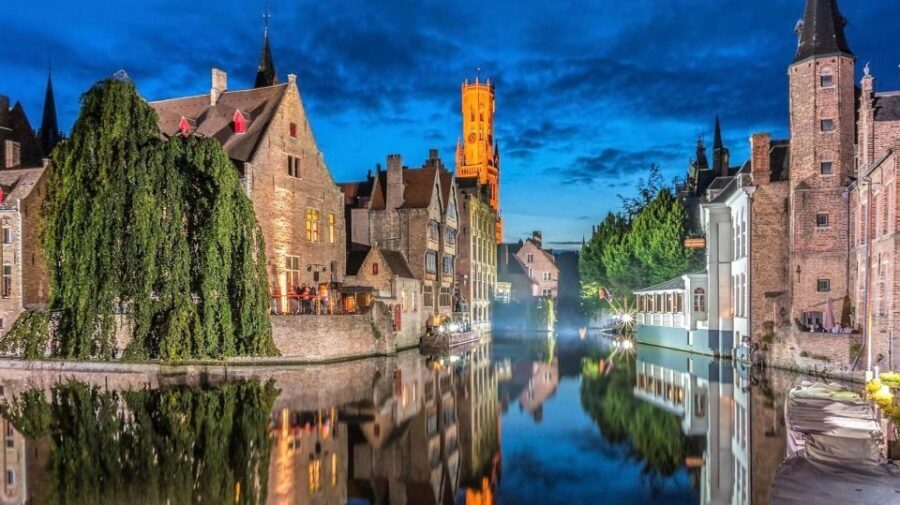
If you’re short on time in Belgium, I like the logic of pairing Bruges and Ghent. They’re both medieval “stop-every-few-minutes” cities, but they feel different enough that a single day doesn’t feel like repetition. Bruges gives you canal scenes, guildhall squares, and brickwork church towers. Ghent gives you big civic buildings, cathedral art, and a livelier mix of old and still-working spaces.
What makes this plan work for you is the structure. You’re not on your own from station to station. A guide keeps the group moving between the major sites, and you get a real chunk of free time in Bruges to recharge and choose your own lunch rhythm. The result is that you leave with a mental map of both cities, not just a pile of photos.
The trade-off is obvious: it’s tight. This is not the tour for long museum hangs or slow wandering in side streets for hours. If you want that, you’ll need separate days. But if your goal is to see the essence of Bruges and Ghent in one swing, this is a strong value format.
Other Bruges day trips we've reviewed in Brussels
Getting to Bruges and Ghent from Brussels: the timing you should plan around
You start from Brussels at the Grand Place. The meeting point is 08:30 in front of the Tourist Information Office, and you’ll be looking for your guide holding a white umbrella.
Departure is set for 9:30 AM on Sundays. If you’re coming from Brussels on another day, you’ll want to check availability because the day-specific start matters here. The day runs about 10 hours, and the scheduled return to Brussels is 17:00, with arrival around 18:00, with your guide.
A small but useful detail: if your group is small, you may be able to choose between returning with the guide at the scheduled time or spending more time on your own and coming back later. That’s great for people who want to do one extra canal loop, a final bite, or a last-minute chocolate stop without feeling rushed.
Practically, this timing means you should treat the day like a guided sprint with scheduled rest. Build your expectations around that. Comfortable shoes aren’t optional for this one.
Bruges canal-world: from Lake of Love to Beguinage gates
Bruges starts with a walking tour once you reach the central station. The guided portion in Bruges is 2.5 hours, and it’s paced to cover the core medieval highlights without turning into a blur.
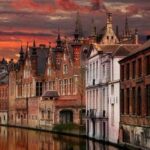
One of my favorite ways to understand Bruges is how the tour connects water to the city’s shape. You’ll see the Lake of Love in the ancient city wall park, a water reservoir that nourishes the canal system. It’s the kind of fact that makes the canals feel intentional instead of just pretty.
Then you head to the Beguinage, described here as one of the best-preserved examples of medieval gated communities where only women could live. Even if you don’t spend extra time inside buildings, the idea helps you read what you see later: Bruges isn’t only about grand kings and bishops. It also preserves smaller, community-centered life.
The walk also includes Brewery De Halve Maan, noted as the only brewery still operating in the city center. That’s a nice “living city” moment. You’re looking at medieval fabric, but it still has an active thread.
Old St. John’s Hospital and the art-and-faith stop you can choose to go deeper on
Next comes Old St. John’s Hospital. The highlight here is its age and architecture, with 800 years of European architecture, plus the option to visit the museum of Hans Memling.
I like this stop because it’s a change of pace from purely church-tower sightseeing. Hospitals in old cities often explain how society worked day-to-day. And if you’re the type who enjoys one targeted museum room rather than a full-day museum marathon, this optional add-on gives you that choice without derailing the group.
After that, you’ll reach Our Lady of Bruges, one of the oldest churches in the city. The tower is still considered one of the tallest brickwork towers in the world, so even from a distance it helps you orient yourself.
There’s also an optional art stop inside, including Michelangelo’s Madonna with the Child. If you want the “wow” factor of famous art but you’re not trying to do every ticketed thing, this is a neat option. If you skip it, you still get the church, the exterior tower views, and plenty of square time.
Squares, guildhalls, and the Belfort feel of Bruges
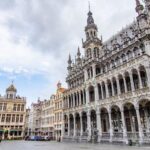
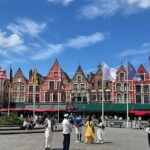
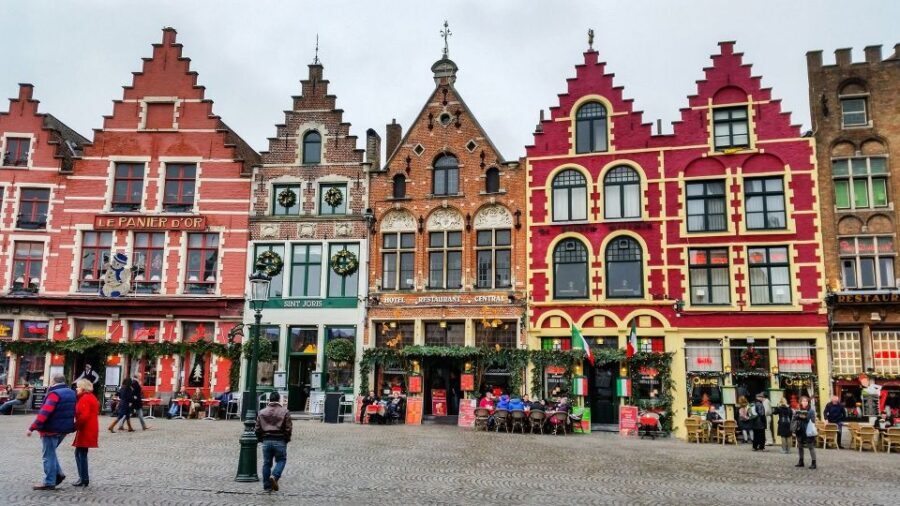
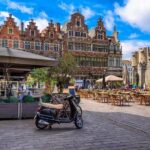
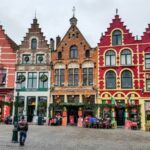
Bruges is full of places where the architecture is part of the street furniture. You’ll go past key squares and historic areas like the VisMarkt (fishmarket) and Tanners’ Square, plus stops at Groeninge Museum, Burg Square, and Markt Square.
One practical reason I like these specific stops: they help you “decode” Bruges quickly. You see where the city’s economic heart was (Markt Square), then you understand how guild power and civic pride showed up in the building style around you.
The Belfort tower is another key stop. You’ll have the imposing guildhalls and the Gothic belfry feel in one stretch, which makes it easier to appreciate why this place is UNESCO listed.
If you still have the energy at the end, there’s also an optional canal tour. It’s not included, and it costs 8 EUR per person, paid while you embark. In a city like Bruges, a short canal loop can be the perfect closing move, especially if the morning felt all on foot.
Other Ghent day trips we've reviewed in Brussels
Bruges free time: how to use your 2 hours well
After the guided 2.5 hours, you get 2 hours of free time. This is where you decide how you want to experience Bruges: snacks and photos, a souvenir sweep, or adding the canal boat if you didn’t already.
I recommend using this block for food you actually want to remember. This tour highlights Moules Frites as the national dish, and Belgian chocolates plus beer are part of the experience. If that’s your priority, you can keep your choices simple: get moules frites for lunch and then plan your chocolate tasting afterward so you don’t eat the sweet stuff too early and lose your appetite.
Because you’re in Bruges’ historic core, you can also use the free time to revisit the places you loved most on the walk. The guide gives you the landmarks; free time lets you personalize the route.
Ghent’s big shift: start with Saint Bavo Cathedral and its art layers
Ghent feels more “grand” than charming on first glance, and the tour helps you understand why right away by starting at Saint Bavo Cathedral.
You’ll admire the spectacular Gothic church and Baroque ornamentations. Then you step into the marble choir and private chapels, where you’ll see Rubens’ painting Saint Bavo Enters the Convent at Ghent, plus the Rococo pulpit. It’s a lot of style changes in one building, but that mix is exactly what makes Ghent’s architecture feel alive rather than frozen in one era.
You’ll also look at the stunning frescoes of the Romanesque crypt. That’s a classic “okay, this city is old old” moment. Even if you only see parts of the crypt area, it gives you context for why art in Ghent matters here.
Van Eyck’s Mystic Lamb option: when the extra ticket is worth it
Next, you can choose to visit the altarpiece of The Adoration of the Mystic Lamb by the Van Eyck brothers. There’s a small extra fee of 4 EUR.
This is one of those choices where your own taste decides the value. If you love medieval masterpieces and want one high-impact museum experience in a busy day, you’ll likely feel it was worth the money and time. If you’re more of a “walk and look” person, you can keep moving and save your energy for later stops like Gravensteen and the riverside views.
Either way, you’ll still cover Ghent’s key sites. This is truly optional, not required to enjoy the day.
City Hall, market halls, and the belfries that define Ghent
After the cathedral, the tour shifts from sacred spaces to civic power. You’ll head to City Hall to see its mix of Gothic, Renaissance, and Baroque architecture. That blend is a clue to how Ghent grew and how different eras left their fingerprints on the same city center.
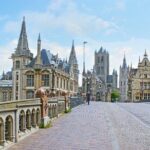
Then you visit Market Hall to see the Belfort Tower and the covered market. This is where I think the tour does something smart for your perception of the city. Belfries and covered markets aren’t just “nice buildings.” They’re practical expressions of commerce and community life.
You’ll also get reminders of Ghent’s medieval past through churches of Saint Nicholas, Saint James, and Saint Michael. They help you see the city as a web of neighborhoods and faith landmarks, not only one central square.
Graslei and Gravensteen: the postcard views you’re aiming for
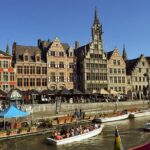
Now you reach the old port of Graslei, at the confluence setting where you’ll get beautiful views of the river Leie and the old guildhalls. This is one of those locations where the architecture looks best when you slow down and let the river do its work.
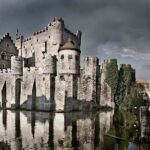
Then you head to Gravensteen, the medieval castle where the counts of Flanders used to live. Even without going full “castle-history mode,” this stop gives you a stronger sense of power and protection in the medieval city—especially right after looking at the merchants’ side of life in the market areas.
Patershol and the Great Butchers’ Hall: the food-scented side of medieval Ghent
Finally, the tour goes into Patershol, described as a picturesque district with charming buildings and brick facades where restaurants and cafes serve Flemish cuisine. This is a good segment for people who want the atmosphere of old Ghent, not only the big monuments.
The tour ends with the Great Butchers’ Hall, a 15th-century meat market. I like this because it keeps the theme grounded. You’re not just admiring churches and civic towers. You’re also seeing where a medieval city fed itself and how trades left physical marks behind.
Optional extras and how to decide without losing your day
This tour includes the guided experience and transportation, but two add-ons are separate:
- Bruges canal tour: 8 EUR per person, paid when you board
- Van Eyck’s Mystic Lamb: 4 EUR small extra fee
If you’re trying to fit both, you need to be honest about your stamina. The day already includes a lot of walking, and you’ll want to keep an eye on timing so you don’t spend your best energy inside lines.
Here’s my rule of thumb: pick one “ticketed wow” and one “time-saver scenery.” Mystic Lamb is your wow for art-lovers. The canal tour is your scenery for people who want postcard views without turning the whole day into museum time.
Price and value: what your $82 buys you
At about $82 per person for a 10-hour guided day with round-trip train from Brussels, I think the value comes from two things that are hard to replicate on your own:
- you’re paying for transportation + local guidance
- you’re buying time efficiency between major sights
If you try to DIY this without a plan, you’ll spend your day paying in stress: figuring out routes, choosing which sites are worth the detour, and guessing how much time you’ll need between Bruges and Ghent. A guided format cuts through that.
That said, I’d be careful if you’re the kind of traveler who hates group pacing. The day is built for seeing the essentials, not lingering for long. In that case, you might feel like you’re paying for structure rather than freedom.
The guide experience: languages, group pace, and the human factor
The tour includes a live guide in Spanish, English, or French. That matters because city history gets easier to follow when you understand the key connections without reading a dozen plaques.
The best part is how the guide’s job is basically translation: turning a maze of streets and buildings into a coherent story you can carry around. On this route, you’ll cover a lot, so a good guide helps you notice what matters—like how medieval waterworks shaped Bruges or how different art periods layer inside Saint Bavo Cathedral.
Also, your group pace can affect your day. If some people wander off, it can slow things down. But when the group stays together, the flow is smooth. You’ll likely hear plenty of stops for photos and quick orientation breaks, which is a small detail that can make the day feel less like a checklist.
Who should book this tour, and who should skip it
This trip is a great fit if you:
- want the highlights of both cities in one day from Brussels
- enjoy walking tours and can handle uneven surfaces
- like a mix of architecture, churches, and market/city-center stops
- want easy access to optional art and canal extras
I’d skip it (or at least reconsider your expectations) if you:
- hate group pacing and want free-roam time in every neighborhood
- want deep museum time for multiple exhibits
- have limited mobility and aren’t comfortable with uneven outdoor walking
Good news: the tour is listed as wheelchair accessible, but you should still think about the reality of cobblestones and uneven surfaces. Comfortable shoes help everyone.
Should you book this Bruges and Ghent day trip?
If your goal is to see the medieval “musts” of Flanders without wasting your Brussels time, I’d book it. It’s well-shaped for first-time orientation: canal-side Bruges, cathedral-and-castle Ghent, plus food stops that keep you from running on empty.
You might not love it if you’re looking for a slow, museum-heavy experience or if you strongly prefer independent travel. In that case, you’ll get more satisfaction with separate Bruges and Ghent days.
Overall, this is a smart use of one train day. You’ll come away with a clear sense of what makes each city special, and with enough optional extras that you can tailor the day to your interests.
FAQ
What time do I need to meet in Brussels?
You meet at 08:30 at the Grand Place in front of the Tourist Information Office.
Does this tour leave Brussels every day?
Departure from the Grand Place at 9:30 AM is only on Sundays.
Is the canal boat trip included in the price?
No. The Bruges canal boat trip costs 8 EUR per person and is paid when you board.
Is the Van Eyck Mystic Lamb included?
No. Entry to The Adoration of the Mystic Lamb has a small extra fee of 4 EUR.
How long is the day trip, and what time do you return to Brussels?
The duration is 10 hours. The scheduled return to Brussels is 17:00, with arrival around 18:00.
What should I wear for this tour?
Bring comfortable shoes, because there is a lot of walking on uneven surfaces.