REVIEW · BRUSSELS
Private World War I Battlefield Tour from Brussels to Flanders
Book on Viator →Operated by Tour Up in Europe · Bookable on Viator
Paper maps won’t prepare you for this day. This private World War I route from Brussels through Flanders is built around the places where history hits hardest, with an English-speaking guide and comfortable transport. I especially liked pairing Tyne Cot Cemetery with the optional Menin Gate Last Post Ceremony, because it turns facts into something you can feel.
I also like that you’re not stuck doing this as a self-guided scramble. You get a tight, well-timed day plan that hits major memorials and museums, plus WiFi and bottled water on board so you can focus on the sites.
One possible drawback: this is a schedule-heavy day, and if pickup timing slips, you feel it. Lunch isn’t included, and the long driving day means you’ll want to be ready for a lot of sitting between stops.
In This Review
- Key highlights to know before you go
- World War I in Flanders: why this loop works
- Brussels pickup and your choice of day (standard vs Last Post)
- Vladslo German Military Cemetery: starting with grief and family
- Diksmuide and the Brooding Soldier: Canadian memory in stone
- Flanders Fields Museum: getting the big picture before the battlefield names
- Passchendaele Battlefield and museum time: place names with weight
- Tyne Cot and Essex Farm: where Commonwealth remembrance is unmistakable
- Ypres (Ieper) and Menin Gate: the town plus the Last Post
- Price and value: what $590 buys you in real terms
- How to prepare for a long day of standing, reading, and respect
- Should you book this private World War I battlefield day?
- FAQ
- How long is the private World War I battlefield tour from Brussels to Flanders?
- What time is hotel pickup in Brussels?
- Does the tour include the Last Post Ceremony?
- Which major sites are included?
- Is lunch included?
- Are admissions included for the stops?
- Is this tour private and in English?
Key highlights to know before you go
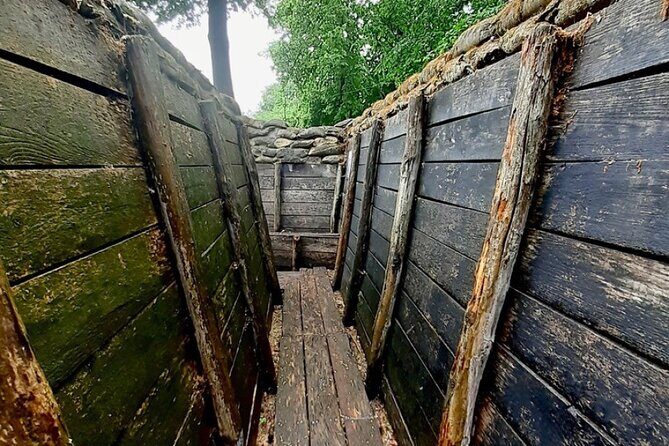
- Two distinct day formats: the standard loop, or the longer option that adds the Menin Gate Last Post Ceremony in Ypres.
- Cemeteries that stop you in your tracks: Vladslo (including Käthe Kollwitz’s Grieving Parents), Tyne Cot, and Essex Farm Cemetery.
- Museums that give you a spine for the day: Flanders Fields Museum and Passchendaele Battlefield site time.
- Real structure, not just “drive-by” stops: each place gets a set chunk of time so you can actually read, walk, and reflect.
- You get a break in Diksmuide: a scheduled window for lunch and exploring before you head back into the memorial route.
World War I in Flanders: why this loop works
Flanders in World War I isn’t one story. It’s a patchwork of loss—soldiers remembered by name, families remembered by sculpture, and battles remembered by fields that never quite feel normal again.
What I like about this kind of private, one-day route is that it gives you both sides of the picture. You’re not only seeing cemeteries; you’re also visiting museums and battle-focused sites so you understand what you’re looking at. When you later stand at memorial stone after memorial stone, you’ll know what that names-and-dates layout means, instead of just watching the clock.
Also, this format is practical. Brussels is the staging point, so you’re not spending your day figuring out trains, buses, and transfers. You’ll spend your energy on the sites, not on logistics.
Other WWI Flanders Fields tours from Brussels
Brussels pickup and your choice of day (standard vs Last Post)
The day starts with hotel pickup in Brussels. Depending on which option you choose, your start time and end time change, and that affects your whole rhythm.
Standard option runs on a tighter clock: pickup around 8:00 AM and return around 6:00 PM. You’ll still cover a lot—Vladslo, Diksmuide, Flanders Fields Museum, Passchendaele area, Tyne Cot, Essex Farm, and then Ypres.
Last Post option starts later, around 11:00 AM, and returns around 9:00 PM. The big difference is that you attend the Last Post Ceremony at Menin Gate in Ypres, with a set ceremony window around 7:30 PM. If you want that sense of collective remembrance, this is the one to choose.
Here’s the one thing I’d keep in mind: even though it’s a private tour, it’s still a long day built on fixed times. Wear shoes you can walk in for cemetery paths, and bring layers. Flanders weather can shift, and memorial grounds can feel colder than the city.
Vladslo German Military Cemetery: starting with grief and family
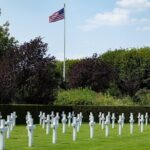
You’ll head to Vladslo German Military Cemetery in the late morning. This stop is more than a parking-lot-and-a-headcount kind of site. It’s designed to make you think about families and absence.
Plan for time at the cemetery and the Grieving Parents sculpture by Käthe Kollwitz. That piece matters because it doesn’t focus on flags or tactics. It focuses on the aftermath—what war does to people who never see a battlefield firsthand.
You’ll typically have around 1 hour 30 minutes here, which is enough to slow down. I’d use the time to do two things: first, read the inscriptions carefully, then take a quiet walk before you move on. If you rush it, you miss what the site is trying to communicate.
A practical consideration: cemeteries are a calm environment. Keep your phone use respectful and quiet. You’re there to witness and remember, not to treat it like a photo stop.
Diksmuide and the Brooding Soldier: Canadian memory in stone
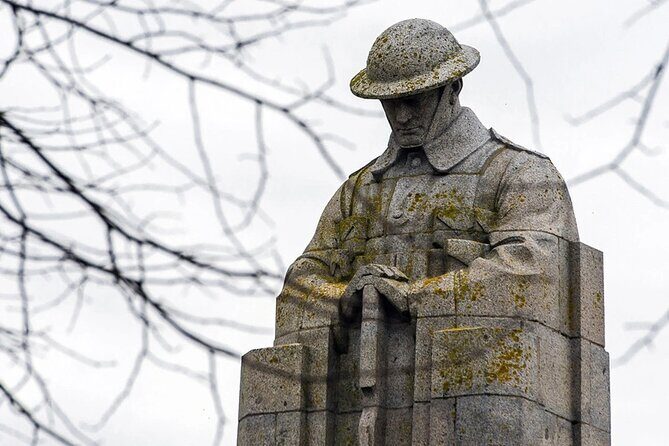
From Vladslo you move on to Diksmuide. This stop gives you a different flavor of remembrance, connected to Canadian soldiers.
You’ll visit the Brooding Soldier monument, then get some breathing space with free time in Diksmuide around midday. That’s valuable because it gives you a chance to grab lunch on your own (lunch isn’t included) and walk the town at a human pace instead of rushing from one memorial to the next.
The key benefit of building in this break is mental. After earlier cemetery time, it can help to reset your body and eyes before another museum and battlefield sequence.
If you’re sensitive to timing, use this free window to plan your food first. Once you’re back in the schedule, you won’t have much flexibility.
Flanders Fields Museum: getting the big picture before the battlefield names
By early afternoon, you’ll reach the Flanders Field Museum, with about 1 hour 30 minutes on the clock. This is where the day stops being only a route and becomes understanding.
The museum helps you connect what you’re seeing outside—cemeteries, memorials, and battlefield marks—to the broader impact of World War I in this region. Even if you’ve read books about the war before, museums like this tend to sharpen details: how the fighting changed life, how commemoration works, and why these places became permanent memory sites.
This is also a good point in the day to slow down your pace. Don’t treat museum time like a checklist. If you take even a little time reading and absorbing, you’ll get more from the later stops, especially when you reach Tyne Cot and Essex Farm.
Other private tours in Brussels


Passchendaele Battlefield and museum time: place names with weight
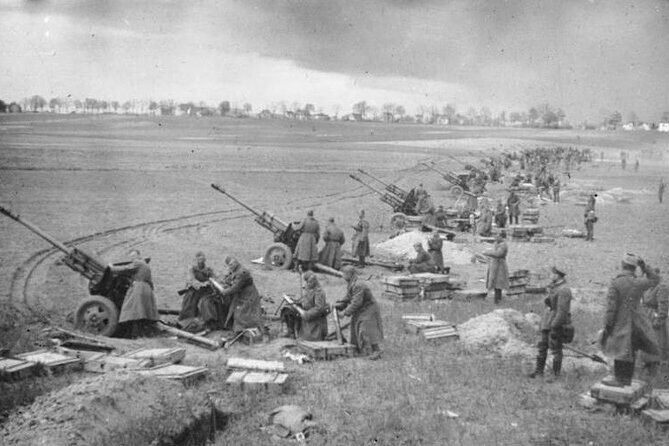
Next up is Passchendaele Battlefield time, around mid-afternoon. You’ll have about 1 hour at this stop, plus the museum experience at the site.
Passchendaele can feel abstract until you see how the ground and the commemorations relate. This is one of those areas where a short guided visit can make a big difference. You start noticing patterns: how the fighting shaped communities, and why certain memorials were placed where they are.
One downside of a long day is that this kind of battlefield time can feel rushed if you’re already tired. I’d handle it by using a simple tactic: pick a few key points to focus on while you’re there—then let the rest be atmosphere. You don’t have to absorb everything at once to get something meaningful from the stop.
Tyne Cot and Essex Farm: where Commonwealth remembrance is unmistakable
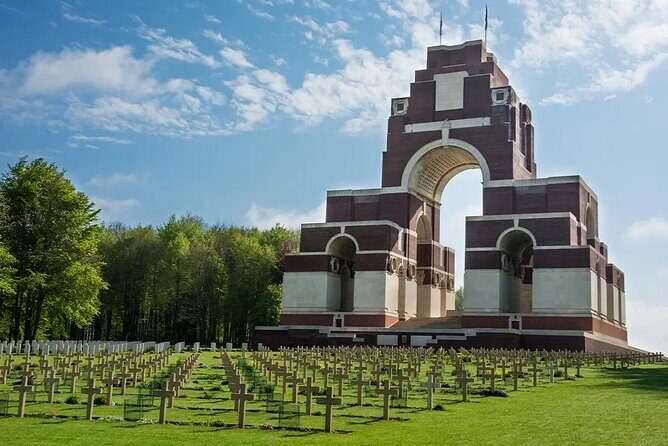
Tyne Cot Cemetery is one of the strongest emotional anchors on the route. You’ll get around 50 minutes here, and it’s described as the largest Commonwealth cemetery. That scale matters. When a cemetery is that large, the sheer number of names makes the experience feel different than smaller sites.
Look for a moment to stand still and let it land. If you try to “do everything,” you’ll end up doing none of it properly. Instead, choose a few names or sections to focus on, then walk slowly.
After that comes Essex Farm Cemetery, also about 50 minutes. This is a special stop because of its connection to inspiration from the poem In Flanders Fields. The result is that you’re not only remembering soldiers; you’re also remembering how the region changed how people wrote about the war afterward.
These two cemeteries in sequence work because they broaden the lens. Tyne Cot emphasizes Commonwealth remembrance on a huge scale. Essex Farm adds a cultural and poetic connection, helping you understand why these lines became part of modern memory.
Ypres (Ieper) and Menin Gate: the town plus the Last Post
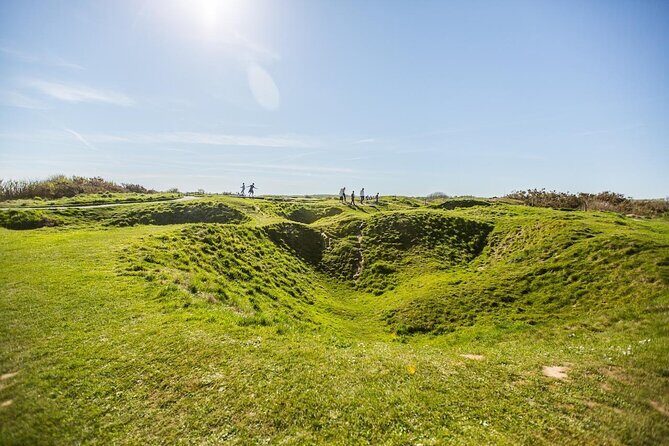
Late in the day you’ll reach Ypres (Ieper), with about 1 hour of free time (in the standard flow) or town time before the ceremony (in the Last Post option). This is your chance to reset—walk the streets, find a spot to look around, and see how normal daily life sits next to war memory.
In the Last Post option, the day culminates at Menin Gate with the Last Post Ceremony around 7:30 PM. The ceremony window is about 30 minutes, and the atmosphere can feel very still. Even if you’re not a ceremony person, this is one of those moments where everyone’s attention tightens in the same direction.
A good practical tip: arrive with a calm mindset and keep your pace steady. Don’t sprint through the cemetery stops just to “save time” for the gate. The ceremony works best when you’re not rushing into it already exhausted.
Price and value: what $590 buys you in real terms
At $590.02 per person, this is not a budget outing. You’re paying for a private day with private transportation, on-board WiFi, bottled water, and tickets to all the sites. That combination can be good value if you want to avoid rail/bus juggling and ticket hunting while you’re on tight time schedules.
The inclusions matter because this route includes several paid entries. When you add up admission costs across a cemetery circuit, a couple museums, and the Menin Gate experience (for the Last Post option), the “what am I really paying for” question becomes simpler: you’re paying for access plus the service that gets you there in order.
The one cost that isn’t covered is lunch. In a day this full, you’ll likely spend money anyway, but you should plan for it. Also, keep expectations realistic: even the best schedule won’t turn a 13-hour day into a slow vacation.
Finally, timing is a genuine value issue. You’re traveling from Brussels and hitting fixed windows. If pickup runs later, it reduces your usable time at the key stops. One booking report I saw mentioned a driver arriving about 30 minutes late and the day running shorter than expected. It doesn’t ruin the concept, but it’s a reason to confirm pickup timing clearly the day before.
How to prepare for a long day of standing, reading, and respect
This tour is built for walking and quiet attention. You’ll move through cemeteries and memorial sites where the main activity is reading and reflecting, not museum-sprint speed.
I recommend:
- Comfortable shoes with good traction for paths on cemetery grounds.
- Weather layers since outdoor memorial sites can feel colder late in the day.
- A charged phone for maps and the mobile ticket, but keep noise and interruptions low once you’re at memorials.
- Lunch planning for the free time in Diksmuide if you’re on the standard loop, and a snack plan if you want one while you’re in transit.
If you’re traveling with anyone who gets overwhelmed easily, choose the option that fits their tolerance. The Last Post version runs later and keeps you out longer, even though it’s a special payoff.
Should you book this private World War I battlefield day?
Book it if you want a structured, respectful day that covers the region’s most important remembrance sites without you having to coordinate transport and admissions. The mix of cemeteries (including Tyne Cot and Essex Farm), museums, and the optional Last Post at Menin Gate is exactly the kind of full loop that helps the story make sense.
Skip it or think twice if your schedule is tight or you’re the type who needs a strict sense of time. Because it’s a multi-stop day starting from Brussels, delays can shrink the time you get at later sites. Also, since lunch isn’t included, be ready to pay for food during the free window.
If your goal is depth over convenience, and you’re willing to spend a long day on your feet reading and remembering, this is a strong choice.
FAQ
How long is the private World War I battlefield tour from Brussels to Flanders?
It runs about 13 hours in total, with the exact timing depending on whether you choose the standard route or the option that includes the Last Post Ceremony.
What time is hotel pickup in Brussels?
For the standard itinerary, pickup is around 8:00 AM. For the Last Post Ceremony option, pickup is around 11:00 AM.
Does the tour include the Last Post Ceremony?
Yes, there is an option that includes attending the Last Post Ceremony at Menin Gate in Ypres, around 7:30 PM.
Which major sites are included?
The route includes stops such as Vladslo German Military Cemetery, Diksmuide, Flanders Fields Museum, Passchendaele Battlefield, Tyne Cot Cemetery, Essex Farm Cemetery, and Ypres, with Menin Gate for the Last Post option.
Is lunch included?
No. Lunch is not included, so you’ll want to plan food on your own during the free time in Diksmuide.
Are admissions included for the stops?
Tickets to all sites are included, and specific admissions listed for the cemetery and museum stops are marked as included.
Is this tour private and in English?
Yes. It’s a private tour with only your group participating, and it’s offered in English. WiFi on board and bottled water are included as well.