REVIEW · BRUSSELS
Historic Ypres WWI Sites – Tour from Brussels
Book on Viator →Operated by History Wolf Tours · Bookable on Viator
One day. Multiple trenches. One heavy memory. This WWI sites tour from Brussels mixes guided museum time with real-world context around Ieper (Ypres), so you’re not just ticking off exhibits—you’re making sense of what you’re seeing and why it mattered. Two things I really liked were the historian-style conversations (my guide, István, was great at answering tough questions) and the vivid, life-size battlefield reconstructions at Hooge Crater Museum that make the Western Front feel immediate.
The main drawback to consider is the pace: you’re looking at a 7 to 10 hour day starting at 8:00 am, with several museum visits and walking in and around Ypres. It’s totally manageable with good shoes, but if you want a short, mostly sit-down outing, this may feel like a full-on day of emotions.
In This Review
- Key highlights you’ll feel all day
- From Brussels at 8:00 am: getting to Ieper without the stress
- Hooge Crater Museum: life-size reconstructions and hands-on context
- Hill 62 / Sanctuary Wood: why this wood earned its name
- Menin Gate Memorial and the Last Post at 8:00 pm
- Ypres walk and lunch: seeing the town that rebuilt itself
- In Flanders Fields Museum: Cloth Hall, belfry views, and the war’s “after”
- Passchendaele Museum: trenches, dugouts, and the Battle of Passchendaele story
- Tyne Cot Cemetery: the largest Commonwealth cemetery, and the scale you can’t forget
- Food, drinks, and what’s covered in the price
- How much is $701.35, really? Value for a historian-led full day
- Who this tour fits best (and who might prefer something else)
- Should you book this WWI day trip from Brussels?
- FAQ
- How long is the Historic Ypres WWI Sites tour?
- What time does the tour start from Brussels?
- Is pickup offered?
- Is this a private tour?
- What admissions are included?
- Is lunch included?
- What’s not included in the price?
- Do I need to bring anything specific?
- What’s the minimum age for the tour?
- Is there free cancellation?
Key highlights you’ll feel all day
- Historian-led stops that turn museum facts into clear, connected stories
- Hooge Crater Museum with life-size reconstructions and lots of artifacts
- Hill 62 / Sanctuary Wood and some of the finest preserved trench areas
- Menin Gate at 8:00 pm for the Last Post ceremony
- Ypres time for lunch and souvenirs, not just a drive-by
- Tyne Cot Cemetery with major Commonwealth remembrance in an unforgettable setting
From Brussels at 8:00 am: getting to Ieper without the stress
You start early—8:00 am—so plan on an easy morning. The big win here is that you’re handled end-to-end by air-conditioned transport, plus pickup is offered. That matters because the WWI sites are spread out, and trying to do this by train and local buses turns into a puzzle with timing pressure.
The tour is built for a private group experience (only your group goes), which usually means the guide can work at your pace and actually talk with you, not just deliver a monologue and hope everyone keeps up. The minimum age is 16, so it’s geared toward teens and adults who can handle the historical weight and the walking.
Other WWI Flanders Fields tours from Brussels


Hooge Crater Museum: life-size reconstructions and hands-on context
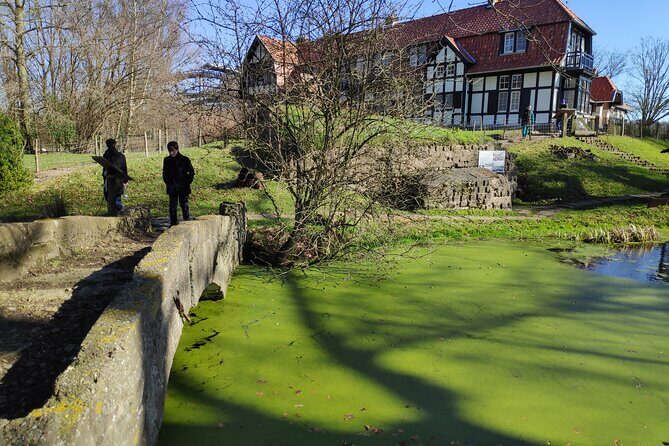
Stop one is Hooge Crater Museum, and it sets the tone fast. This place is known for being one of Belgium’s standout private WWI museums, and you can see why once you’re inside. The museum uses life-size reconstructions of battle scenes, plus an extensive collection of weapons, equipment, and photographs.
What I liked most is that the tour guide doesn’t just point and move on. You get explanation tied to what you’re looking at, plus time to ask questions. If you’re the kind of person who wonders how something worked, where people stood, or what a specific unit was dealing with, this stop is a good match.
A practical note: it’s a museum stop that still feels like you’re moving through a story. Bring your camera, but also give yourself time to look without rushing—these displays reward slower attention.
Hill 62 / Sanctuary Wood: why this wood earned its name
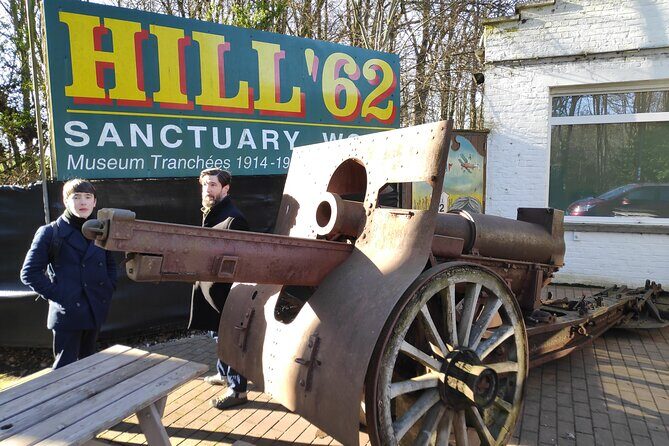
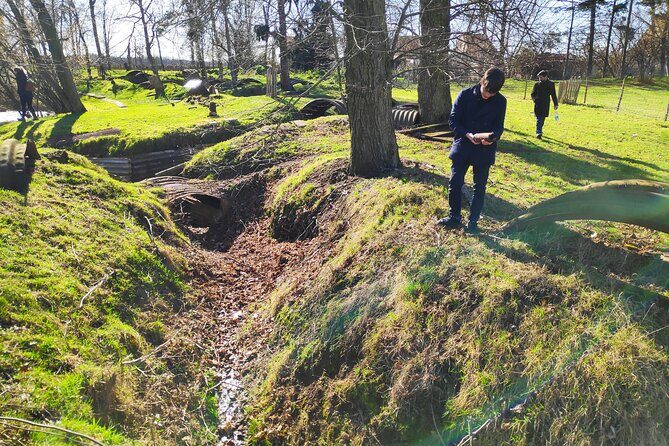
Next comes Hill 62, paired with Sanctuary Wood. The story here is specific and haunting: the wood got its nickname in October 1914 when it served as a kind of sanctuary for soldiers straggling while they tried to rejoin their units. Early on, the landowners realized the area would matter for both pilgrims and tourists, so the trench lines and dugouts were enclosed, and the shattered trees fenced in.
Today, Sanctuary Wood is often considered to have some of the best-preserved trenches on the Western Front. That preservation is the point. You’re not just reading about the war—you’re seeing a physical trace that still holds shape, even with all the changes time brings.
One detail that stands out: the museum interior includes 3D stereoscopic photographs of highly graphic scenes taken during the war. The technology is interesting, but the real value is what it does to your understanding—how the scenes connect to the terrain and to the human reality of the fighting.
Menin Gate Memorial and the Last Post at 8:00 pm
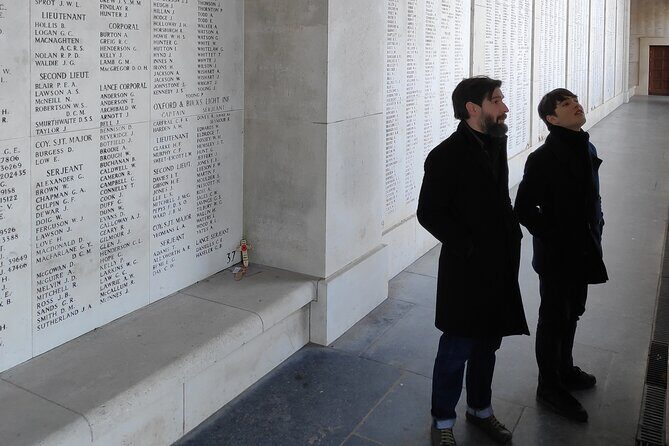
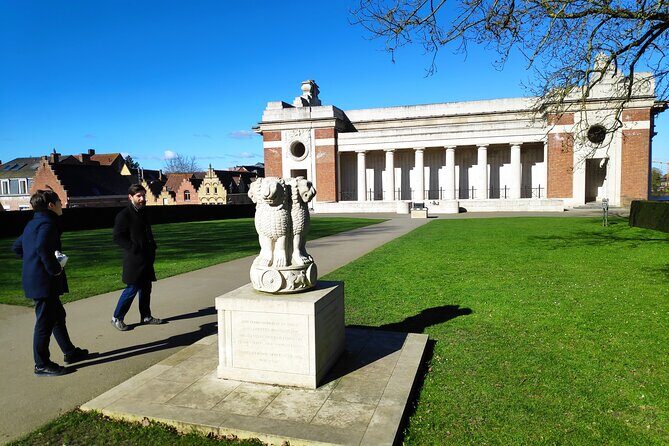
Menin Gate is the symbol most people associate with WWI in this region. It’s also a memorial to the missing, with names of Commonwealth soldiers who were reported missing before August 15, 1917. One reason it hits hard is that it’s both monumental and intimate at the same time: you can stand in the square and still feel like every name matters.
The ceremony timing is important. Every evening at 8:00 pm sharp, you’ll hear the Last Post under Menin Gate, and daily activities pause for a moment of remembrance. This is one of those moments where the tour format really works—being there with guidance helps you understand what you’re witnessing and how the ritual functions, rather than just hearing a sound and moving on.
If you’re thinking about logistics: plan to stay alert and comfortable. This stop can be emotionally intense, and it helps to have your camera ready without turning it into a distraction.
Ypres walk and lunch: seeing the town that rebuilt itself
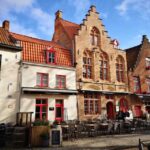
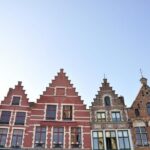
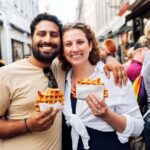
After the memorial moment, you’ll get time in Ieper (Ypres). This isn’t just a quick stop for photos. You’ll walk around to pick up souvenirs and you’ll have lunch. The timing gives you a chance to reset your body—sit down, eat, and take in the fact that this town didn’t disappear with the war.
Why this matters: the Western Front sites can feel like a history bubble. Time in Ypres is a reminder that people lived through it, survived it, and rebuilt. Even if you’re only here for an hour, it helps your day feel complete instead of one long museum march.
Other historical tours in Brussels


In Flanders Fields Museum: Cloth Hall, belfry views, and the war’s “after”
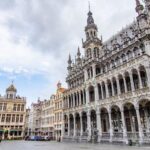
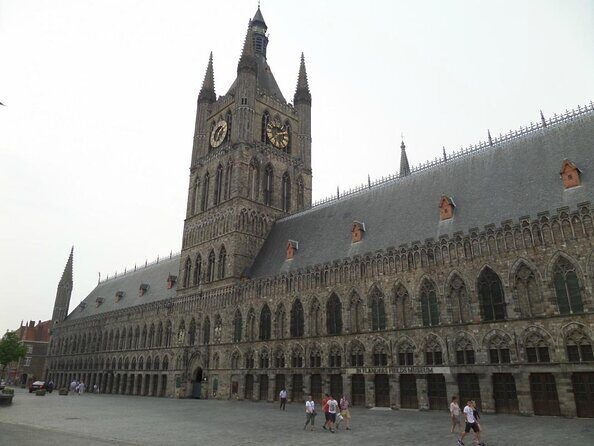
Next is the In Flanders Fields Museum, housed in the rebuilt Cloth Hall of Ypres. That building choice is meaningful. The Cloth Hall is a wartime hardship symbol and later a recovery symbol, and the museum uses that connection to frame the story of the First World War in West Flanders.
You’ll learn the war story, but the museum also ties it to the present setting—how the surviving features of the area still act as witnesses of the past. There’s also a chance to climb the restored Belfry tower, and the top views help you understand what “near” and “far” really meant when the front lines were shifting.
This stop is one of the best places on the day for context. If you’re trying to connect the dots between the cemeteries, the trench sites, and the memorials, this museum helps you get the big picture.
Passchendaele Museum: trenches, dugouts, and the Battle of Passchendaele story
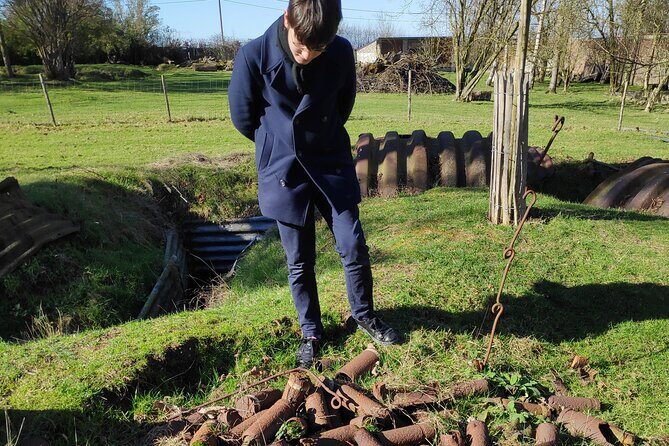
Passchendaele Museum takes you back into the lived environment of WWI. It focuses on military life through a dugout-and-trench style experience. Using unique objects, it carries you through the Battle of Passchendaele and what life was like for those who fought and endured it.
What I like about this stop is that it’s not only about dates and places. It’s structured to help you understand routine, space, and the physical reality of combat zones. If you’ve been absorbing a lot of names and memorial wording, this is where your understanding turns more “how it felt.”
Wear shoes you can trust. Even if the distances aren’t extreme, it’s still a day where your feet add up.
Tyne Cot Cemetery: the largest Commonwealth cemetery, and the scale you can’t forget
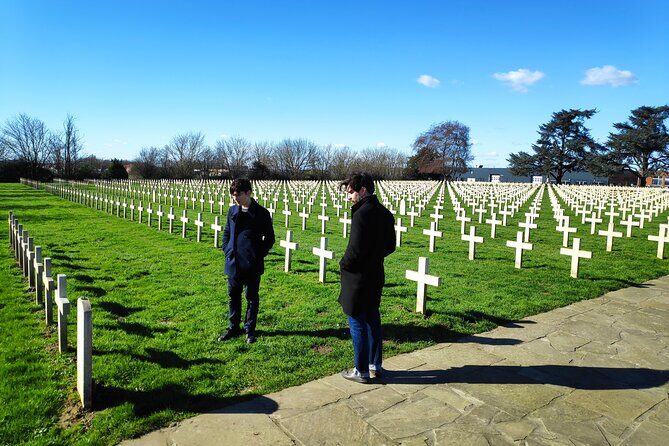
The final major stop is Tyne Cot Cemetery, the largest Commonwealth war cemetery in the world in terms of burials. It contains 11,961 Commonwealth servicemen of the First World War buried or commemorated there.
Another key detail: the Tyne Cot Memorial forms the north-eastern boundary of the cemetery, commemorating nearly 35,000 servicemen from the United Kingdom and New Zealand who died in the Ypres Salient. So you get both the individual graves and the larger “missing, remembered” scale of remembrance.
This is one of the few places in the region where the size becomes part of the lesson. The guide’s job here isn’t to distract you with facts—it’s to keep your attention where it belongs. Give yourself time to walk and look without rushing. Take a breath between camera shots.
Food, drinks, and what’s covered in the price
You’re not on your own for food. Lunch and snacks are provided, and there’s soda/pop included too. That’s a real value point on a day like this because it prevents a bunch of small purchasing stops when you’re already spending a long day away from Brussels.
Most admission tickets are included across the museum and memorial stops, which helps explain the higher per-person price. Your day isn’t cheap, but it’s not just a drive with a driver—it’s transportation plus guided history plus paid entry across multiple major sites.
What’s not included: tips/gratuities for staff and alcoholic beverages. If you drink alcohol, you’ll want to plan on paying separately.
How much is $701.35, really? Value for a historian-led full day
$701.35 per person is the kind of price that makes you ask: what am I buying, exactly? You’re paying for a structured, all-day experience that bundles together:
- transportation (including air-conditioned comfort)
- admissions across key WWI sites
- a historian-guided flow between sites
- food support (lunch, snacks, soda/pop)
The biggest value is time. These aren’t nearby attractions you can easily pick apart on your own without losing the meaning of how the stops connect. Also, the private-group format matters: your guide can tailor explanations based on what you care about—this came up in feedback from people who were happy that the guide made extra effort to match their interests and answer deeper questions.
If you’re a couple or a small group who wants one organized day instead of planning transfers between sites, this price starts to look more reasonable. If you’re solo and price-sensitive, you might compare against DIY options—but then you lose the guided thread that turns a list of sites into one coherent story.
Who this tour fits best (and who might prefer something else)
This is a great fit if you want WWI history in a connected, human way—where the guide explains how the pieces fit rather than treating each stop like a separate checkbox.
It’s also best for people who can handle a long day with emotion built in. You’ll move through memorials, cemeteries, and graphic wartime imagery. You do get breaks through meals and time in Ypres, but it’s still a heavy itinerary.
If you want a light, family-friendly outing, this probably isn’t your match. With a minimum age of 16 and a clear historical focus, it’s aimed at teens and adults who want to learn and reflect.
Should you book this WWI day trip from Brussels?
If your goal is to understand the Western Front around Ieper in one organized day, I think this tour is worth serious consideration. You get guidance from an historian, museum time with strong presentation, and the kind of remembrance moment at Menin Gate that’s hard to replicate on your own.
Book it if you:
- like museums, artifacts, and guided explanations
- want a private group structure
- appreciate a day that mixes remembrance with time in Ypres
Consider another option if you:
- want a short trip with minimal emotional intensity
- dislike long days starting at 8:00 am
- prefer to travel fully independently with no guided structure
FAQ
How long is the Historic Ypres WWI Sites tour?
It runs about 7 to 10 hours.
What time does the tour start from Brussels?
The start time is 8:00 am.
Is pickup offered?
Yes, pickup is offered.
Is this a private tour?
Yes. Only your group participates.
What admissions are included?
Admission tickets are included for Hooge Crater Museum, Hill 62 (Sanctuary Wood) Canadian Memorial, Menin Gate Memorial, In Flanders Fields Museum, Passchendaele Museum, and Tyne Cot Cemetery. There is free admission for the Ieper (Ypres) time.
Is lunch included?
Yes. Lunch is included, along with snacks and soda/pop.
What’s not included in the price?
Tips/gratuities for staff and alcoholic beverages are not included.
Do I need to bring anything specific?
Bring your camera and comfortable hiking shoes.
What’s the minimum age for the tour?
The minimum age is 16.
Is there free cancellation?
Yes. You can cancel up to 24 hours in advance for a full refund.