REVIEW · BRUSSELS
Remembrance Tour: The Battle of the Bulge in the Ardennes
Book on Viator →Operated by Brussels City Tours - Keolis Travel · Bookable on Viator
That’s a lot of history in one day. This Battle of the Bulge trip from Brussels mixes US memorials, battlefield remains like Bois Jacques foxholes, and a well-run museum visit without you having to plot every stop. I especially like the built-in structure: you get a guide, a bus, and a clear day plan from start to finish. The other big win is the Bastogne War Museum, timed so you’re not rushing through the heart of it. The only real drawback to consider is that it’s a full, long day with limited time at each site, so if you want slow wandering, you’ll have to be selective where you linger.
On the ground, the tone is respectful and practical: you’ll visit major memorials, key locations around Bastogne, and even a German cemetery so the scale of the tragedy feels honest. If you’re a WWII fan—or even if you only know the highlights—you’ll leave with a much clearer picture of why this pocket of Belgium mattered so much. One thing to watch: your experience depends heavily on the guide’s pace, and a few people noted a lot of storytelling time.
In This Review
- Key moments worth your time
- Heading out of Brussels: the easy part that helps you focus
- Ardennes American Cemetery: when “Battle of the Bulge” turns human
- McAuliffe Square: your short break in the heart of Bastogne
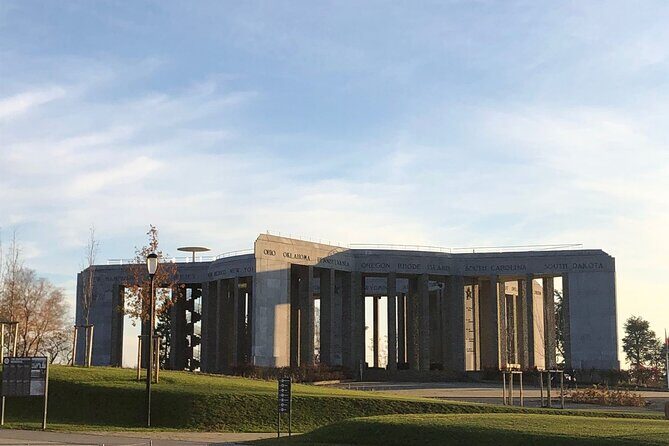
- Mardasson Memorial: the five-point star that anchors the story
- Bastogne War Museum (2 hours): the main event for context
- Bois Jacques: foxholes and the short, sharp reality of defense
- Foy: a village tied to Stephen Ambrose and Band of Brothers
- German War Cemetery: remembering 6,800 names at once
- Price and Logistics: what $107.41 buys you in reality
- What to expect from the guide (and how to make the day better)
- Practical tips for a long, moving day
- Who should book this Battle of the Bulge day trip
- Should you book it?
- FAQ
- How long is the tour?
- What time does the tour start and where does it begin?
- What does the price include?
- Do I need to buy tickets for the Bastogne War Museum?
- Are admissions included for every stop?
- Is the tour offered in English?
- Is round-trip transportation from Brussels included?
- Is food provided?
- What kind of fitness level do I need?
- What if the tour is canceled?
Key moments worth your time
- US memorial at the Ardennes American Cemetery: where thousands of service members are laid to rest
- McAuliffe Square in Bastogne: a quick town break for food and photos
- Mardasson Memorial’s star shape: a bold tribute you can’t miss near Bastogne
- Bastogne War Museum (2 hours included): the main stop, with deeper context
- Bois Jacques foxholes and cavities: short, close-up look at the reality of defense lines
- Foy + Band of Brothers connection: history that overlaps pop culture in a good way
Heading out of Brussels: the easy part that helps you focus
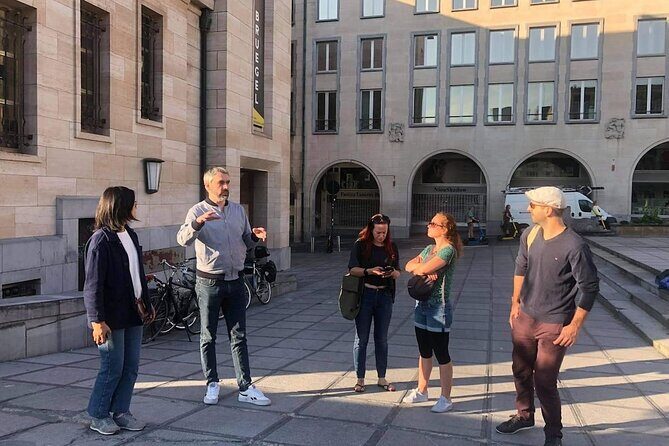
This is a true day trip. You meet in central Brussels at Bd de Berlaimont 18 (1000 Brussels) around 9:15 am, then ride out in an air-conditioned vehicle. You’re also not stuck with last-minute public transit puzzles—transport is part of the deal.
The day is designed for people who want the sites without the logistics headache. You’ll also get a mobile ticket, which is convenient when you’re juggling a morning coffee and a packed schedule. With a maximum of 200 travelers, it won’t be a tiny private group, so expect some waiting at stops and a busier vibe during peak photo moments.
Other WWII Battle of the Bulge tours from Brussels
Ardennes American Cemetery: when “Battle of the Bulge” turns human
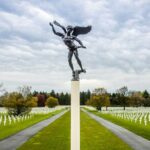
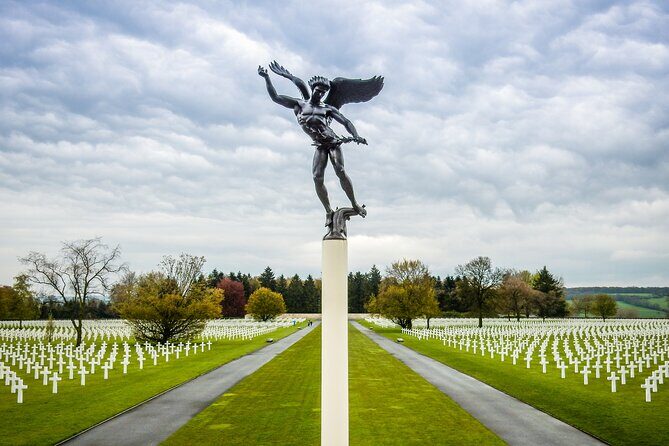
The first stop is the Ardennes American Cemetery and Memorial, about 40 minutes. This is where thousands of US military rest after the fighting during the US advance into Germany. The time length matters here: it gives you a real chance to walk the grounds without feeling like you’re sprinting.
What I like about starting here is emotional logic. You’re learning the battle, but you’re also meeting the people first—names, headstones, and the scale of loss. It’s the kind of place where you can take in the visuals quickly, then slow down for a few personal moments. Admission is listed as free for this stop, which makes it easier to budget your day.
Practical tip: wear shoes you can stand in for a while. Even if your time is capped, cemeteries are still “walk” sites.
McAuliffe Square: your short break in the heart of Bastogne
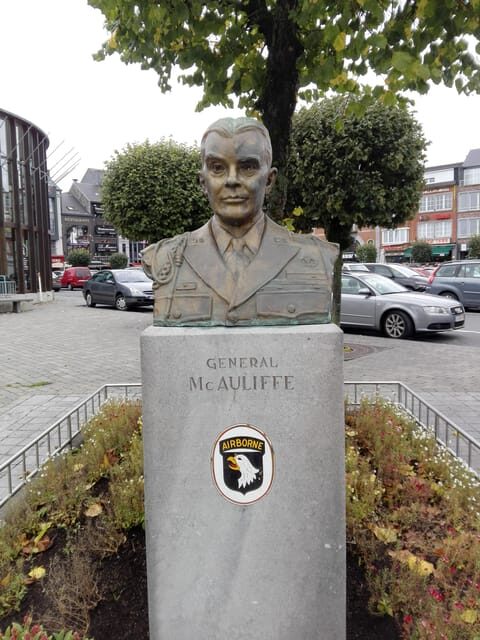
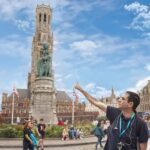
Next you’ll have time at McAuliffe Square, about 15 minutes. This is the town center, and it’s where you’ll find the most practical relief: a quick walk, a snack option, and enough time to reset before the memorial-heavy part of the day continues.
Why this stop works: it breaks up the solemn mood. It also helps you handle the reality that food and drinks are not included on the tour. If you need lunch, treat this as your window to grab something nearby—then you’re not trying to eat while you’re also rushing to the next stop.
If you don’t care about shopping or dining, you can still use the time for photos and to orient yourself in Bastogne before the bigger monuments.
Mardasson Memorial: the five-point star that anchors the story
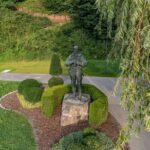
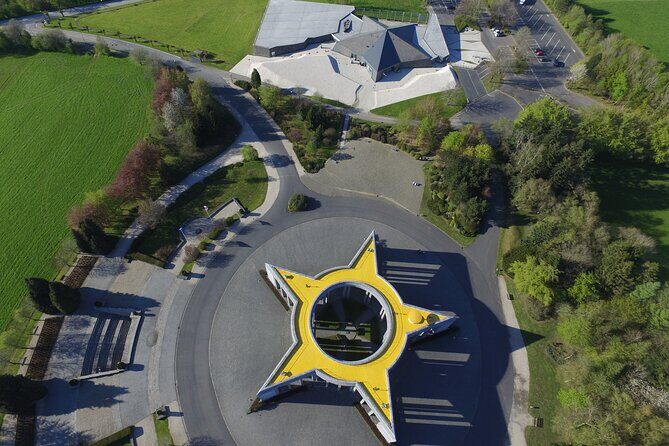
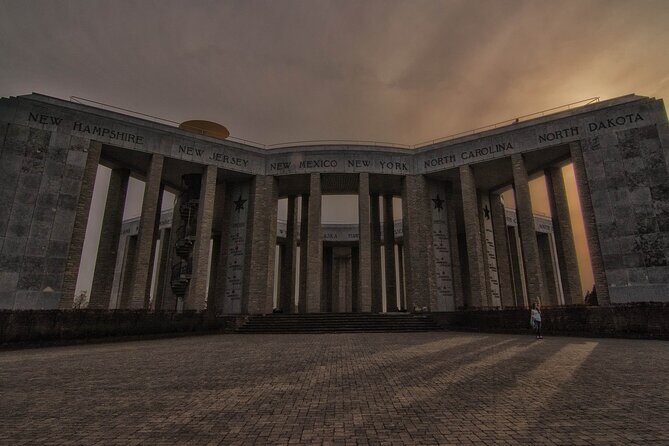
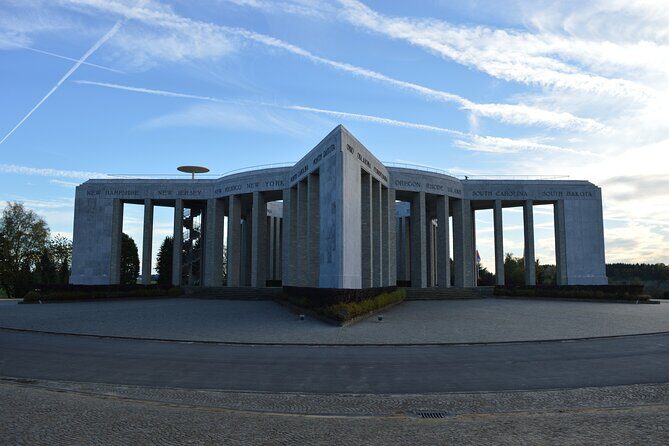
Then comes the Mardasson Memorial near Bastogne, about 40 minutes. It’s a major tribute to American soldiers who were wounded or killed during World War II’s Battle of the Bulge, and the design is famously shaped like a five-pointed American star.
This stop is valuable because it gives you a visual landmark for understanding the day. Monuments like this are more than “pretty shapes.” They compress geography and memory into something your brain can hang onto as the rest of the sites start to blur together.
Admission is free here as well, so you’re not worrying about ticket lines. If you’re short on patience, you can see the key angles quickly. But if you have a few minutes to spare, look for how the monument’s lines guide your eye—then connect that back to the battle’s movement and positions you’ll hear about later.
Bastogne War Museum (2 hours): the main event for context
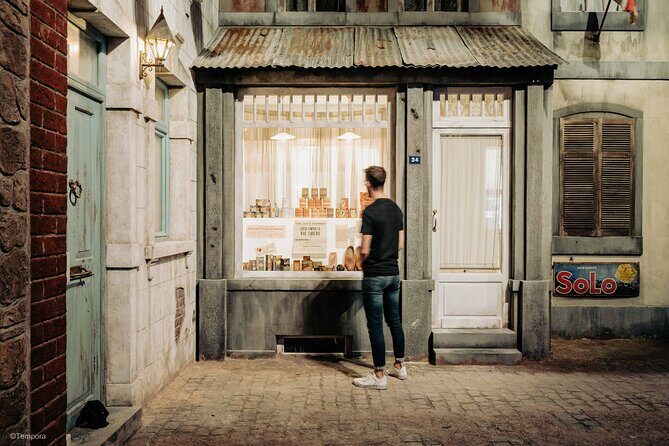
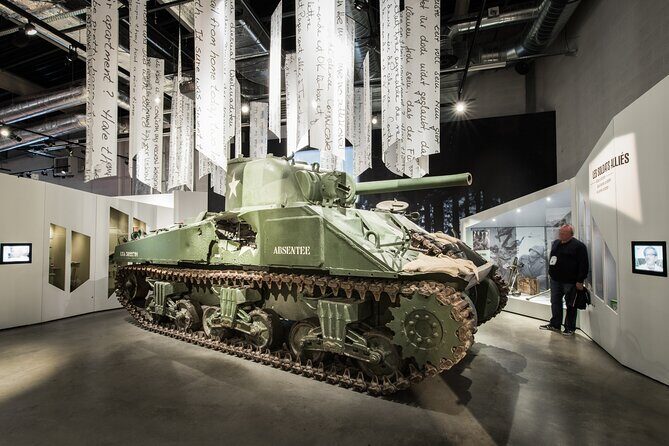
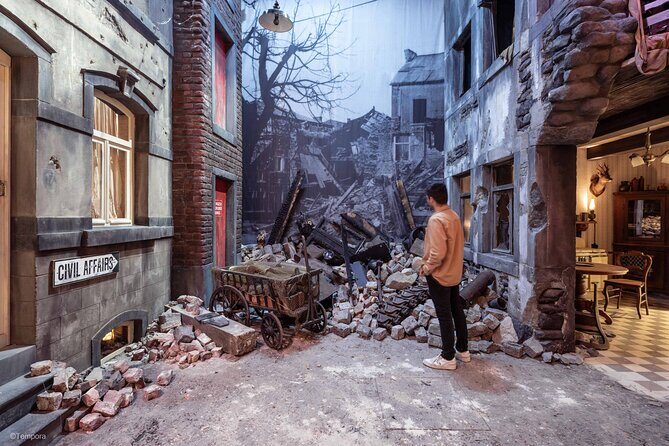
The centerpiece stop is the Bastogne War Museum, about 2 hours, with admission included. This is where the day starts to click into place beyond the slogans—because you’re seeing the story organized, explained, and human-sized rather than just told in fragments.
A couple of practical points help you get value out of this time:
- Give yourself the full two hours. The museum is described as well done, and there’s enough material that you don’t want to rush.
- Plan for a museum that covers more than just the Battle of the Bulge. One important note from experience with the site: it can broaden into the wider WWII story, which may be a plus if you like context, but it’s not a tiny, one-topic museum.
Many people also like the museum’s audio option (handy if you’d rather read less). If you’re the type who gets lost in labels, the audio can keep you moving and still feeling “oriented” at each gallery.
This stop is where guides tend to shine, too. A strong guide will connect what you’re seeing to the battlefield locations you’ll visit later—especially the foxholes at Bois Jacques.




Bois Jacques: foxholes and the short, sharp reality of defense
After the museum, you’ll head to Bois Jacques, about 20 minutes. This is the battlefield area with foxholes and cavities dug into the ground to protect American soldiers from hostile fire. And yes—this is the stop many WWII fans wait for.
Time is short here on purpose. You’re not doing a long hike. You’re doing an up-close look, then moving on while the group is still together. The best way to benefit from this stop is to treat it like a “look and picture” moment: stand where you’d imagine a soldier might have stood, then listen to the explanation. If you rush, you’ll miss the emotional weight of scale.
Admission is listed as not included for Bois Jacques. That’s a detail worth planning for so you’re not surprised on the day.
If you’re traveling with anyone who likes hands-on history, this is the part that often feels the most real—because you’re literally looking at how people tried to survive.
Foy: a village tied to Stephen Ambrose and Band of Brothers
Next, you’ll stop in Foy, about 15 minutes. It’s known because it gained recognition through Stephen Ambrose’s work and the TV series Band of Brothers. Even if you’re not a “TV episode memorizer,” the connection helps you picture what the battle looked like on the ground, not just as dates and arrows on a map.
This is a smaller stop, so think of it as a bridge between the memorial sites and the final cemetery stop. You’re adding texture—how daily life and local places were caught in events much larger than themselves.
German War Cemetery: remembering 6,800 names at once
Finally, you’ll visit the German War Cemetery, about 20 minutes. This cemetery gathers the remains of more than 6,800 German soldiers, ages 17 to 52, who died during WWII. Admission is free here too.
This stop is important because it keeps the day honest. The Battle of the Bulge is often framed as a US story (and for good reason), but war losses weren’t one-sided. Standing in this cemetery helps you understand that the same ground that held US soldiers also held German soldiers—and that the tragedy doesn’t need a “team” to be real.
If you’re expecting a purely American-focused remembrance day, this may surprise you. But it also gives your understanding a fuller shape, and it fits the memorial tone of the rest of the route.
Price and Logistics: what $107.41 buys you in reality
At $107.41 per person, this tour is priced like a day trip with real value baked in. You’re paying for:
- Round-trip transport from Brussels (with an air-conditioned vehicle)
- A professional multilingual guide in English
- Bastogne War Museum admission (included)
You’re also saving time and stress. Booking a day like this on your own means arranging transport, figuring out parking, and lining up multiple admissions. Here, you show up, and the route is handled.
The “cost vs. time” trade-off: the schedule is packed. You get meaningful site access, but you don’t get hours at every monument. If you’re the type who wants to linger for a long personal moment at each stop, you might feel slightly rushed—especially if the guide keeps the group together with a steady narrative pace.
That said, for many history-minded visitors, this is exactly the sweet spot: enough depth to understand the battle and enough variety to feel like you saw what matters.
What to expect from the guide (and how to make the day better)
The guide part is the biggest variable. The strongest experiences I saw were tied to guides with serious storytelling skill. Names that popped up in firsthand feedback include Martin King, Johan, Johann, Stephan, and Stefan—and the consistent theme is they don’t treat this as random sightseeing. They connect the dots between locations, accounts, and what you’re seeing.
Here’s the practical side: one caution is that the commentary can be constant. If you’re the type who gets tired of hearing for hours straight, bring ear plugs. It’s also smart to keep a small water bottle handy, even though food and drinks are not included.
A tiny comfort note: one traveler mentioned the bus was a bit dirty. I’d still pack a few wet wipes or a small hand sanitizer so you can stay comfortable without thinking about it.
Practical tips for a long, moving day
This is rated for people with moderate physical fitness. That usually means you should be ready for walking on uneven memorial grounds and standing around during photo stops. The day is also long enough that pacing matters.
Bring:
- Comfortable shoes for cemetery and memorial walking
- A light layer (days in Belgium can shift quickly)
- A snack option for McAuliffe Square since food and drinks aren’t included
- Ear plugs if you want a break from nonstop narration
Also, manage expectations about time. Some stops are short by design—like Bois Jacques (20 minutes) and Foy (15 minutes)—so pick what you want from them: photos, understanding, or quiet reflection.
Who should book this Battle of the Bulge day trip
I’d point you toward this tour if you:
- Want a guided overview of the Battle of the Bulge sites around Bastogne
- Like the mix of memorials, museums, and battlefield remains
- Prefer one organized day instead of piecing together your own route from Brussels
You might choose something else if you want:
- A slow, flexible day with lots of free time in one place
- A strictly US-only narrative without the German cemetery stop
- A lighter day focused only on museum time (this includes multiple outdoor sites)
Should you book it?
Yes, if you want one well-planned day that hits the major remembrance spots tied to the Battle of the Bulge and leaves you with a clearer, more human picture than you can get from plaques and photos alone.
If you book, go in with a simple strategy: treat the museum and the foxholes as your “deep learning” stops, use McAuliffe Square as your practical break, and give yourself permission to be brief at the short photo stops. You’ll get the value of the transport and the included museum ticket, and you’ll walk away with places you can actually picture the next time someone mentions Bastogne.
FAQ
How long is the tour?
The duration is listed as approximately 11 hours.
What time does the tour start and where does it begin?
You meet at Bd de Berlaimont 18, 1000 Brussels with a start time of 9:15 am.
What does the price include?
The price includes a professional multilingual guide, an air-conditioned vehicle, and entrance to the Bastogne War Museum.
Do I need to buy tickets for the Bastogne War Museum?
No. Bastogne War Museum admission is included.
Are admissions included for every stop?
Admissions are listed as free for the Ardennes American Cemetery, McAuliffe Square, Mardasson Memorial, and the German War Cemetery. Bois Jacques admission is not included.
Is the tour offered in English?
Yes, it’s offered in English.
Is round-trip transportation from Brussels included?
Yes. Round-trip transport from Brussels is included, and the tour ends back in Brussels at Brussel-Centraal (Carr de l’Europe, 1000 Brussels).
Is food provided?
No. Food and drinks are not included.
What kind of fitness level do I need?
It requires a moderate physical fitness level.
What if the tour is canceled?
There’s a minimum number of travelers required. If it’s canceled because the minimum isn’t met, you’ll be offered an alternative date/experience or a full refund.