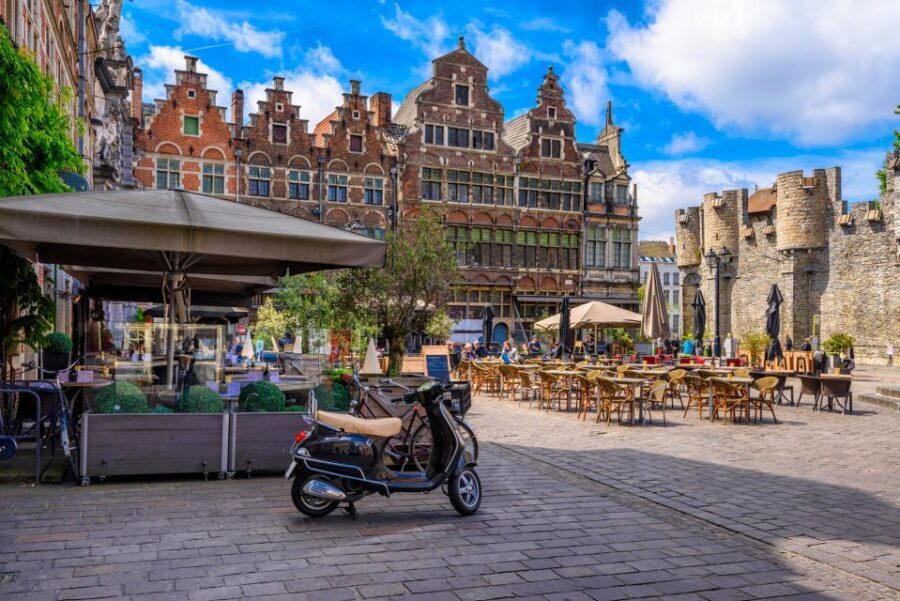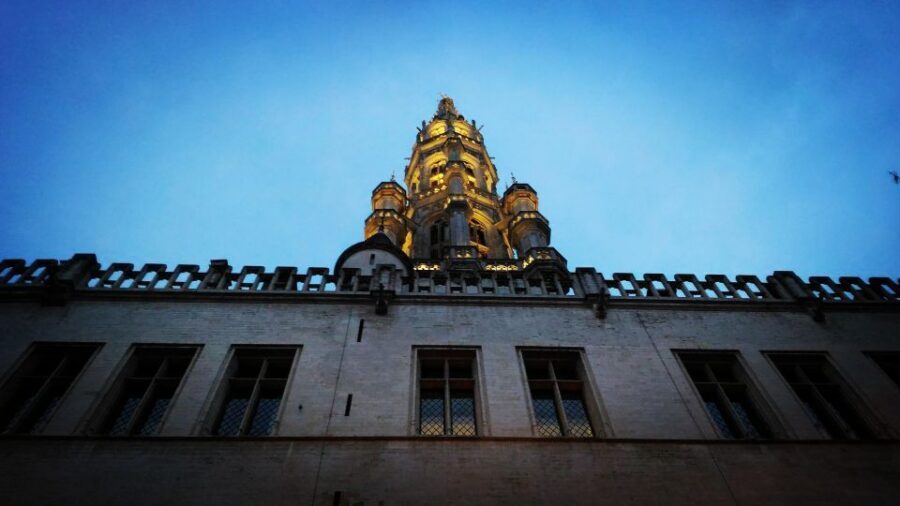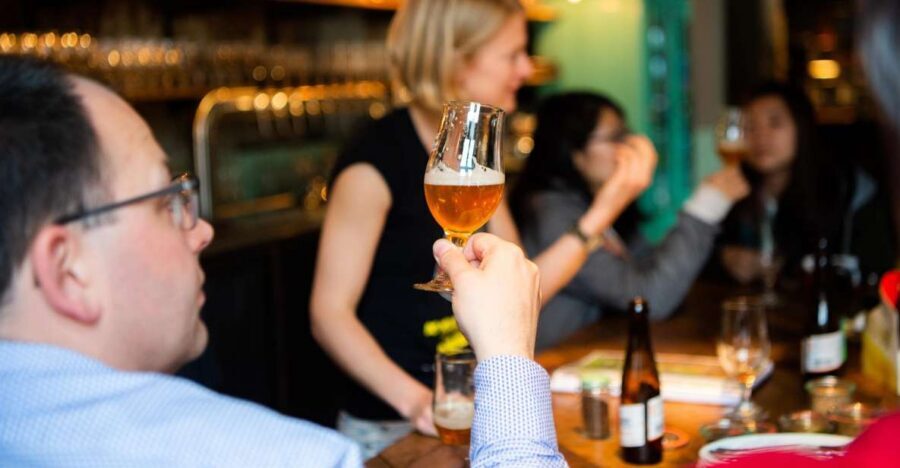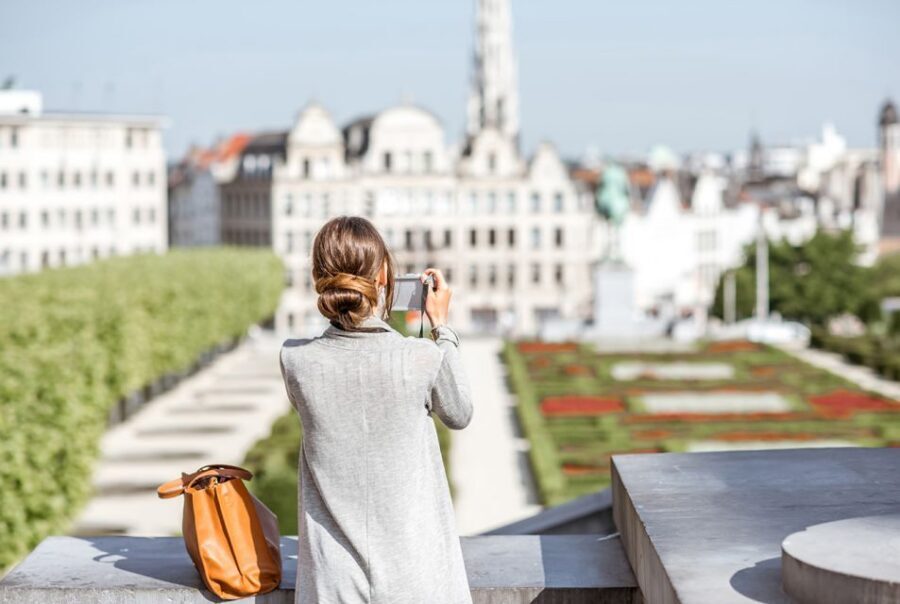
Brussels can feel like a puzzle at first, but this walk gives you the key pieces fast. I like how efficiently it hits the big icons and then adds a few story-driven stops so you understand what you’re looking at. I also love the practical value: many guides share quick ideas for where to eat and drink nearby, not just what to photograph.
The main consideration? The quality of the commentary can vary by guide. The best guides turn each stop into a mini-story; on less inspired days, you may get shorter explanations and less context than you want. If you’re picky about history depth, I’d go in ready to ask questions.
In This Review
- Key Highlights You’ll Actually Feel
- Price and What $38 Buys You in 2 Hours
- Walking Route: How the Timing Works (and Why It Matters)
- Grand Place: Brussels’ UNESCO-Listed Stage Set
- Les Galeries Royales Saint-Hubert: An Arcade That Feels Like a Time Machine
- La Bourse de Bruxelles: Neoclassical Money Meets City Life
- Palais Royal de Bruxelles: Monarchy in Plain View
- Éverard t’S e r c la es Monument: A Tiny Statue With a Big Story
- Manneken Pis: The Famous Stop (and the Local Context)
- The Extra Surprise Stops: Why You Should Wait for Them
- What Makes the Best Guides Shine
- Meeting Point Reality: Don’t Underestimate the Crowd
- Who This Tour Is Best For (and Who Might Want Something Else)
- Price vs. Value: A Smart First-Trip Move
- Should You Book This Brussels Walking Tour?
- FAQ
- Is the tour offered in English?
- How long is the Brussels walking tour?
- Where do I meet the guide?
- What’s the group size like?
- Is a mobile ticket provided?
- What if I need to cancel?
Key Highlights You’ll Actually Feel
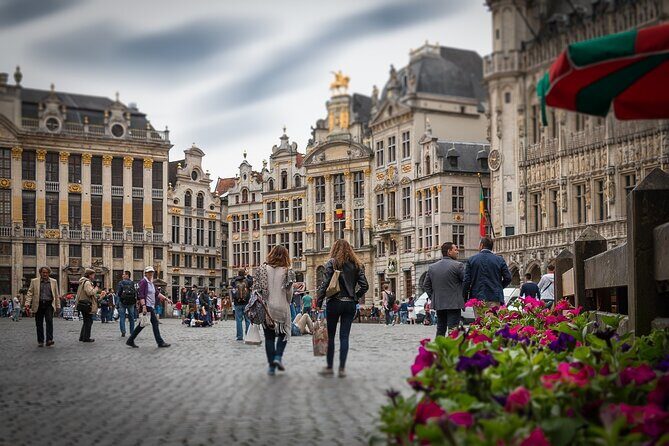
- Six focused stops in about two hours: clear route, no endless wandering.
- Grand Place first: you start in the most photogenic place in Brussels for instant context.
- Les Galeries Royales Saint-Hubert: an 1847 arcade you’ll want to slow down in.
- Neoclassical Bourse de Bruxelles: classic columns and commerce history in one photo stop.
- Royal Palace area viewpoints: you’ll see how monarchy fits into daily city life.
- Manneken Pis on the route: the famous little guy, plus a bit of local lore.
Price and What $38 Buys You in 2 Hours
At $38 per person for roughly two hours, you’re paying for three things: a timed, walkable route; an English-speaking guide; and a small group size. This is not a museum day with ticket lines and long indoor exhibits. It’s a street-level orientation that helps you connect Brussels’ sights to the city’s older layers.
That matters because Brussels can be “pretty, but hard to place.” A good guide gives you the why behind the what. If you only have a day or two, this format is efficient. If you’re already a serious architecture nerd with a guidebook in your hand, you might still enjoy the route, but you’ll want a guide who speaks with depth.
Group size is capped at 15 participants per guide, and the overall tour has a maximum of 45. In practice, that usually means you can hear your guide without feeling completely swallowed by a crowd.
Other Brussels highlights walking tours we've reviewed in Brussels
Walking Route: How the Timing Works (and Why It Matters)
This tour is built as a compact loop through central Brussels. You’ll spend about 20 minutes at each named stop, plus a couple of extra stops along the way kept as a surprise. It’s a steady pace: enough time to look, take photos, and reset for the next corner.
The time structure is great for first-timers, but it also means you shouldn’t expect long debates at every landmark. If you’re the type who likes to linger, bring extra patience—or plan to revisit later on your own with fewer time constraints.
Also, the streets here are the streets here. Expect cobblestones. Comfortable shoes are not optional if you want your feet to stay friends by the end.
Grand Place: Brussels’ UNESCO-Listed Stage Set
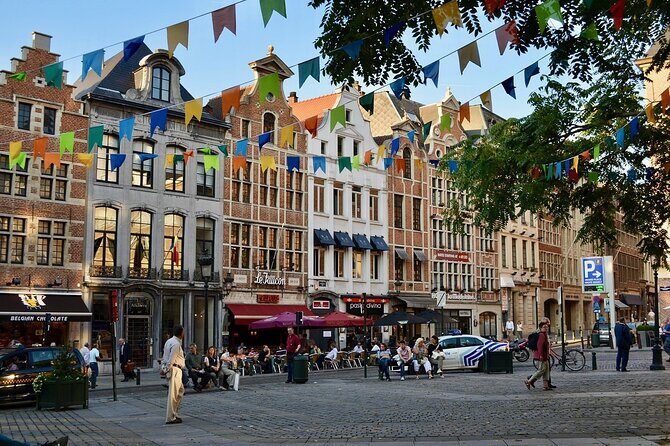
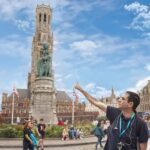
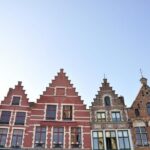
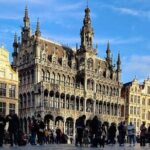
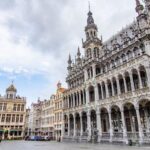
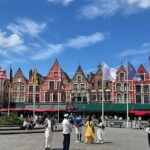
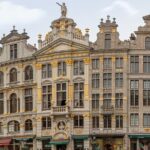
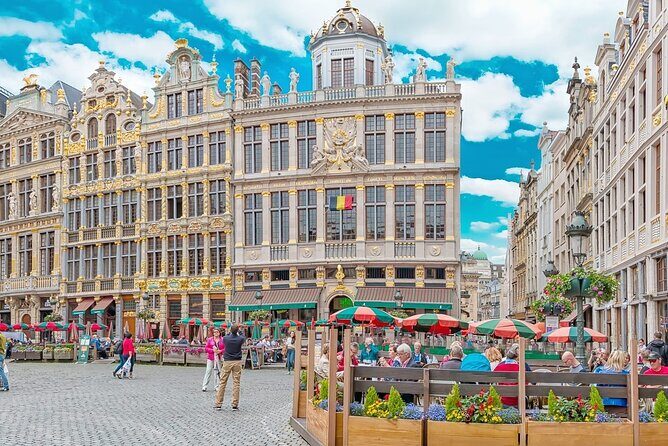
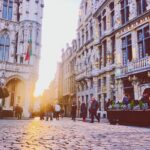
Your first major stop is Grand Place, the UNESCO World Heritage square that dates to the 15th century. This is the place where Brussels shows off its “old city” muscles: ornate guildhalls around the edges, with the Town Hall and the King’s House framing the square.
What I like about starting here is that it instantly teaches you how the city is designed. Once you understand that Grand Place is the center of gravity, the rest of the tour makes more sense. You stop looking at buildings as random pretty shapes and start seeing them as parts of a civic story.
A small drawback: Grand Place gets busy, and other tour groups can show up at the same time. If you want a calm look, arrive with your camera ready but your expectations flexible.
Les Galeries Royales Saint-Hubert: An Arcade That Feels Like a Time Machine
Next up is Les Galeries Royales Saint-Hubert, one of the oldest shopping galleries in the world, founded in 1847. This isn’t just a place to buy things—it’s architecture you walk through. The glass roof and elegant interior create that rare “in-between” space: not outdoors, not inside like a mall.
I love this stop because it’s a change of pace. After a large open square like Grand Place, the arcade feels intimate. You’ll notice how Brussels mixes commerce and culture in the same physical space, which is a theme you’ll see again later near the stock exchange and commercial buildings.
Practical tip: if you’re taking photos, do it before you drift into browsing mode. The light under the glass roof is pretty, but it’s easy to lose track of time once you spot chocolate and specialty shops.
La Bourse de Bruxelles: Neoclassical Money Meets City Life
At La Bourse de Bruxelles (Brussels Stock Exchange), you’re looking at a neoclassical building tied to the city’s financial history. The key idea isn’t just that it looks impressive. It’s that this is where Brussels’ economic identity became part of its public face.
You’ll focus on the facade and Corinthian columns—details that look like “serious architecture,” even if you’re not visiting for finance. It’s one of the stops that helps you understand Brussels as more than tourism signage. Commerce is part of the city’s character.
A good way to use this stop: take a quick look at the building front, then step back and notice how it sits within the street grid. This tour is excellent for training your eyes to see layout and context.
Other walking tours we've reviewed in Brussels


Palais Royal de Bruxelles: Monarchy in Plain View
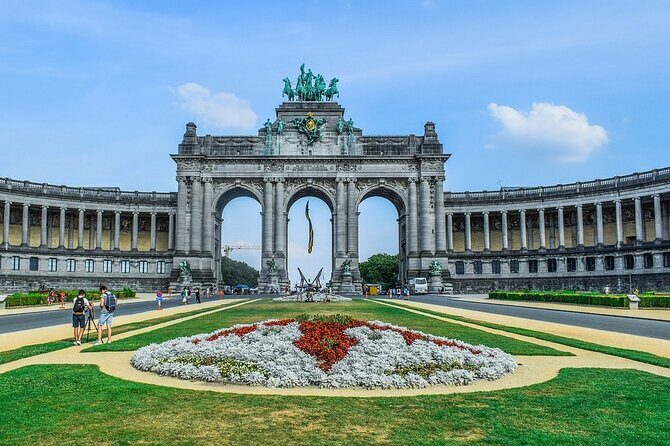
You then move to the Royal Palace of Brussels area. The tour frames it as a neoclassical palace from the early 20th century, tied to the Belgian monarchy and state ceremonial functions.
Even if you don’t catch a ceremony (nothing is promised here), the palace is still a meaningful sight because it shows power done in stone and symmetry. It’s also on higher ground compared to many central streets, so it can give you a different perspective on the city.
Consideration: this stop is more about exterior views and atmosphere than detailed palace access. You’ll get the sense of importance, but it’s not a deep interior visit in this time window.
Éverard t’S e r c la es Monument: A Tiny Statue With a Big Story
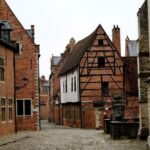
Near Grand Place you’ll also see the Éverard t’Sereclaes Monument, commemorating a medieval hero who defended Brussels in the 14th century. The detail I like here is the human side: the statue shows signs of wear because people have touched it over and over, hoping for good fortune.
This is exactly the kind of stop that makes a walking tour feel more like a conversation with the city instead of a checklist. It connects Brussels’ identity to resilience and local legend—small scale, but memorable.
If you like to photograph details, this is a good place to slow down for a close-up. Even when you’re in a hurry, statues like this reward looking at hands, texture, and wear.
Manneken Pis: The Famous Stop (and the Local Context)
No Brussels walk is complete without Manneken Pis. This is one of those sights that most people recognize instantly, even if they don’t know the why.
Here’s the value of having it on a guided route: you’re not just seeing a quirky statue. You’re getting the local framing that turns it from a meme into a piece of civic culture.
One watch-out: because Manneken Pis is popular, you’ll want to be patient. People cluster quickly, and it can be hard to take photos straight on. Move with the group, then do any extra photos after the main stop.
The Extra Surprise Stops: Why You Should Wait for Them
The tour promises a couple of additional stops along the way kept as surprises. That’s actually a smart design choice for a two-hour experience. Instead of forcing every landmark, the guide can adjust to pace and attention span, then add brief, relevant sights that make the route feel more personal.
In short: don’t rush ahead just because you know the famous names. The “surprise” pieces are often what give the walk that sense of, Oh, I never would have noticed that.
What Makes the Best Guides Shine
The overall rating is strong, and the standout pattern is consistent: the best guides keep the energy up and connect facts to what you’re seeing in front of you. Specific guide names showing up in past departures include Rosh, Tom, Peter, and Raymond.
I also love the way top guides handle questions. You’ll usually get a mix of history and modern facts, plus practical recommendations. In particular, you might get suggestions for authentic chocolate, waffles, beer, and even places like Chez Léon for mussels, based on what previous guides have recommended.
And yes—pacing matters. Some guides are so good at timing that you don’t even feel rushed. Others move too fast for photo breaks. If that’s your biggest concern, ask your guide early if there’s time for a couple of extra photos at the key stops.
Meeting Point Reality: Don’t Underestimate the Crowd
The official start is Grand Place 4 (1000 Bruxelles, Belgium), and the tour ends back at the same meeting point. That’s simple on paper.
In real life, the area around Grand Place can be crowded with multiple groups starting around the same time. This is why I’d show up a few minutes early, with your phone ready for the mobile ticket, and be ready to identify your guide quickly.
Who This Tour Is Best For (and Who Might Want Something Else)
This tour is ideal if you:
- are visiting Brussels for the first time and want a fast orientation
- like history and architecture but don’t want a long day plan
- want a route you can confidently repeat later on your own
- enjoy practical local food and drink tips while sightseeing
It may not be the best match if you:
- want deep, long storytelling at every stop
- are extremely sensitive to short commentary (a couple of sentences per stop is a common complaint when the guide isn’t fully on-form)
- expect lots of time for photos beyond the structured stops
Price vs. Value: A Smart First-Trip Move
For $38 and about two hours, I think the value is solid—especially because it includes a professional guide and a tight route through central landmarks. The “free admission ticket” notes for the listed stops are also helpful, since you’re paying for guiding and access to the route, not for museum entrance fees.
Where the value becomes uneven is entirely tied to guide performance. If you get a strong communicator, it can feel like a bargain. If you get a lighter-touch guide, it can feel like you paid for a walk you could partly map yourself.
So the best strategy: book it early in your trip. If it gives you a good mental map and a few strong food ideas, it sets up the rest of your Brussels day.
Should You Book This Brussels Walking Tour?
I’d book it if your goal is to get your bearings fast and see Brussels’ signature center in a manageable, guided way. The route makes sense, the stops are real landmarks, and when the guide is on point, you’ll leave with both context and practical recommendations.
Skip or consider a different format if your priority is deep, continuous historical commentary. In that case, you may want something longer or more focused on one theme—because this tour’s structure is designed for breadth, not long-form lectures.
If you’re flexible and you like short, well-timed stories from the street, this is a good use of two hours.
FAQ
Is the tour offered in English?
Yes. The tour is offered in English.
How long is the Brussels walking tour?
It runs for about 2 hours.
Where do I meet the guide?
You start at Grand Place 4, 1000 Bruxelles, Belgium, and the tour ends back at the same meeting point.
What’s the group size like?
There’s a maximum of 15 participants per guide, and the overall tour has a maximum of 45 travelers.
Is a mobile ticket provided?
Yes. The tour includes a mobile ticket.
What if I need to cancel?
You can cancel for a full refund if you cancel at least 24 hours before the experience start time.