REVIEW · BRUSSELS
Brussels: Fall and Rise of Art-Nouveau Guided Tour
Book on GetYourGuide →Operated by Curiositas Mundus · Bookable on GetYourGuide
Art Nouveau isn’t just on postcards; it’s on these streets. This guided walk through Brussels’ outskirts turns façades into lessons, with clear explanations of techniques like sgraffito and a focus on what remains of Victor Horta’s work in the city. I loved how the tour keeps the story grounded in what you can actually see on the buildings as you move along.
I particularly liked two things. First, you learn the practical details of sgraffito, including what makes it different from frescoes. Second, you get to see the historical remains connected to Victor Horta’s Maison du Peuple, so Art Nouveau stops being a vague style and becomes a real place with a real author.
One thing to consider: this is about 3 kilometers of walking outdoors, and the info you want (and the surfaces you’re looking at) is best enjoyed when the weather cooperates. Bring rain gear, because Brussels can switch moods fast.
In This Review
- Key Things You’ll Notice on This Art-Nouveau Walk
- Starting at Horta Metro: Find the Tour and Get Oriented
- 150 Minutes and About 3 Kilometers: A Route That Respects Your Energy
- Art Nouveau Techniques, Explained for Real Sight: What You’ll Learn to See
- 1) How the façades are made, not just how they look
- 2) Sgraffito as the star example
- Sgraffito vs Frescoes: A Small Word With Big Visual Payoff
- Victor Horta’s Maison du Peuple: Why the Remains Matter
- Reading the Streets of Saint-Gilles and Ixelles Like a Local
- When Rain Shows Up: How to Keep Enjoying the Tour
- Value for $17: What You’re Really Paying For
- The Guide Factor: Spanish Delivery and Clear Q&A
- Who This Tour Is Best For (and Who Should Skip It)
- Should You Book This Brussels Art-Nouveau Tour?
- FAQ
- Where does the tour start?
- What’s the duration of the tour?
- How far do we walk?
- What language is the guided tour in?
- Is the tour wheelchair accessible?
- What’s included in the price?
- What should I bring for the weather?
- Is there free cancellation?
- Can I reserve without paying right away?
- Does the tour cover sgraffito and frescoes?
Key Things You’ll Notice on This Art-Nouveau Walk
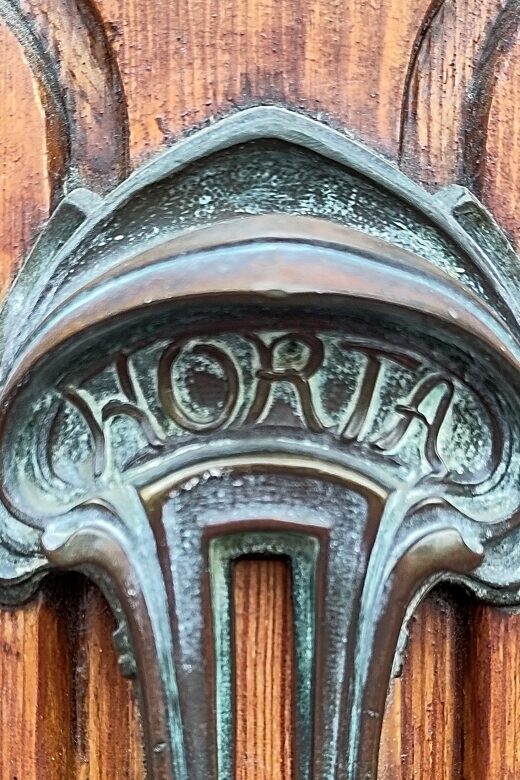
- Sgraffito gets explained in a look-for-this-on-the-wall way, not just as a definition
- Victor Horta’s Maison du Peuple remains give context to why Brussels became so influential
- Saint-Gilles and Ixelles street scenes show Art Nouveau where people actually lived
- A short route (about 3 km) keeps the tour focused and doable in 150 minutes
- Audiovisual extras help you understand technique and style as you go
- A Q&A-friendly guide, including Samuel in Spanish, makes it easier to ask questions on the spot
Starting at Horta Metro: Find the Tour and Get Oriented
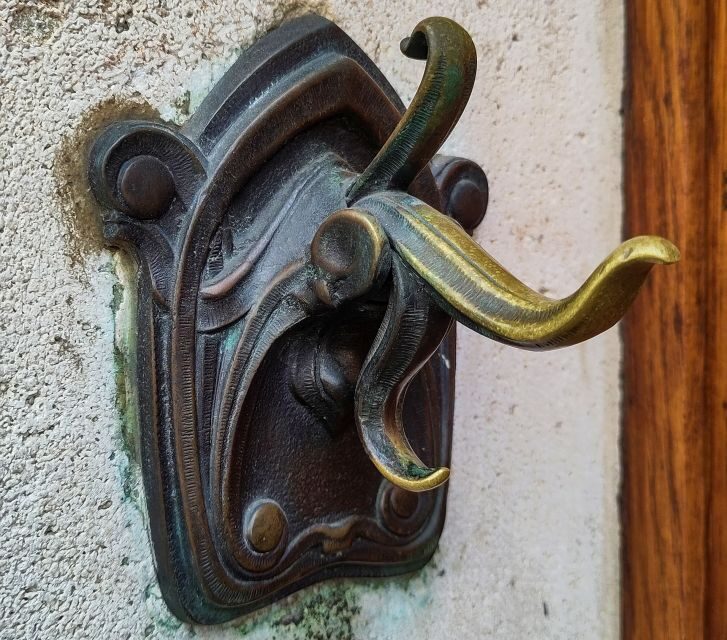
You meet near the Horta Metro station (lines 3 and 4), on the Chaussée de Waterlo, at street number 187. The guide wears a Curiositas Mundus badge, so you shouldn’t have trouble picking them out once you’re in the right spot.
This matters more than it sounds. Art Nouveau is visual, but it’s also technical—materials, surface treatments, and how ornament sits on a façade. Getting oriented at the start makes it easier to notice details later, especially when you’re moving through working neighborhood streets rather than a single museum block.
Before you start walking, you’ll get the groundwork for what the guide wants you to look for: common Art Nouveau approaches, how to read the building surfaces, and what you’ll be seeing across the route. That setup is one reason this tour works well if you’re new to the style.
Other Art Nouveau tours we've reviewed in Brussels


150 Minutes and About 3 Kilometers: A Route That Respects Your Energy
The time is 150 minutes, and the walking adds up to about 3 kilometers. That’s a good length for two reasons.
First, you can learn a lot without feeling like you’re sprinting through photo stops. Second, the route is described as moving through the outskirts of Brussels and through neighborhoods like Saint-Gilles and Ixelles, where the architecture feels more lived-in than staged.
You’ll still be outside for a chunk of the tour, though. If rain hits, don’t fight it with stubbornness. Pack an umbrella or raincoat and treat the weather as part of the deal—wet streets also make façades look even more textured, which is helpful when you’re hunting for surface techniques.
Art Nouveau Techniques, Explained for Real Sight: What You’ll Learn to See
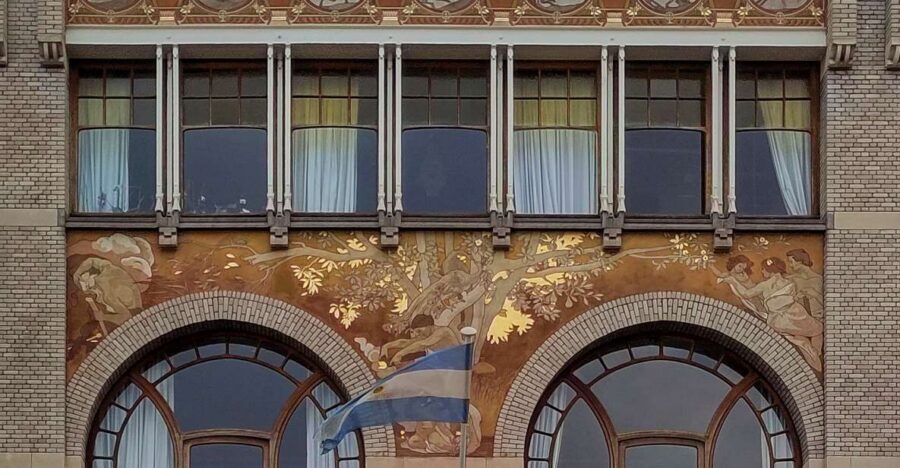
This tour is built around learning the most used techniques in Art Nouveau—so you can look at a building later and understand what you’re looking at. The key is that the guide doesn’t keep it abstract. You’re guided to connect the word to the wall.
Two technique themes show up clearly in the tour description:
1) How the façades are made, not just how they look
Art Nouveau often uses ornament as a system. Instead of decoration being pasted on, you’ll notice how it relates to the structure, the surface finish, and the way light plays over details. On this walk, that translates into a better ability to spot patterns quickly—especially when the streets are full of architectural variety.
2) Sgraffito as the star example
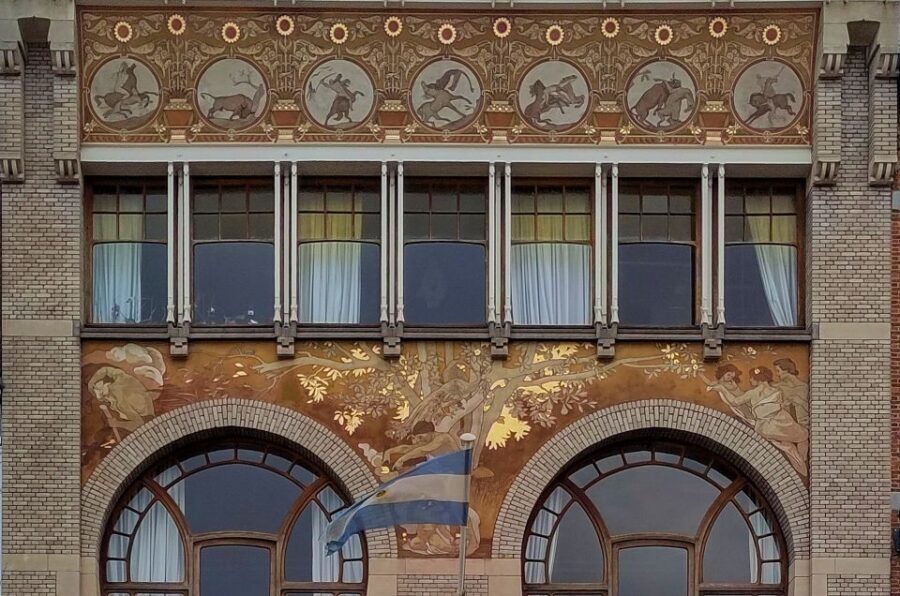
You’re specifically taught what sgraffito is and how it differs from frescoes. That’s a great choice for a walking tour because it trains your eye on the building itself.
Even if you’ve never heard the word before, you should leave with a mental checklist: where to look on a façade, what the technique tends to produce visually, and how it’s distinct from painting applied in a different way.
Other guided tours in Brussels


Sgraffito vs Frescoes: A Small Word With Big Visual Payoff
“Sgraffito” can sound technical, but on the street it becomes simple. The value here is that you learn to separate surface treatment from image painting.
Why this difference matters: on many European streets, you’ll see façades with decorative effects that get lumped together as just ornament. Once you understand sgraffito versus fresco, you’ll be able to read what the artist or builder actually did—how the pattern is created through the surface itself rather than treated like a wall painting in the usual sense.
On this tour, that technique lesson is tied to the places you walk past in Saint-Gilles and Ixelles. That means you’re not memorizing a definition and hoping it sticks. You’re seeing the built evidence while the explanation is fresh.
If you like “I finally get it” moments, this section is one of them.
Victor Horta’s Maison du Peuple: Why the Remains Matter
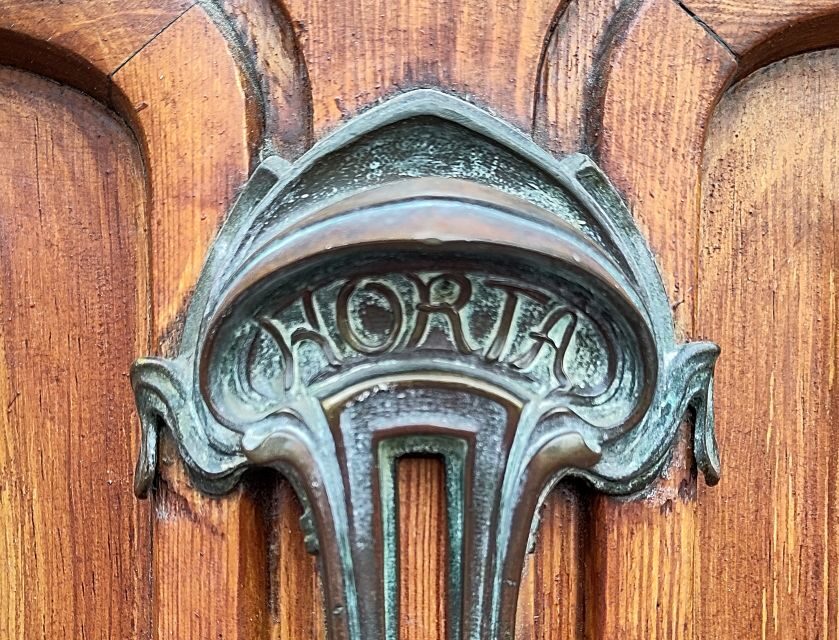
One of the main anchors of the tour is the historical remains of Victor Horta’s Maison du Peuple. This is where the style shifts from decorative to meaningful.
Horta is one of the names most associated with Art Nouveau in Brussels, and the Maison du Peuple is a landmark connected to that story. Seeing the remains gives you context for the movement: you’re no longer just studying ornamental details on random houses. You’re seeing a real thread back to an important piece of architectural history.
Even when the site isn’t presented like a full museum interior, remains still teach. They show what survived, what got altered, and what you can still read in the design language. That makes the lesson feel more grounded and honest than a “perfectly preserved” stop.
If you want Brussels Art Nouveau to feel connected to real places, not only Instagram-friendly façades, this is the stop to watch.
Reading the Streets of Saint-Gilles and Ixelles Like a Local
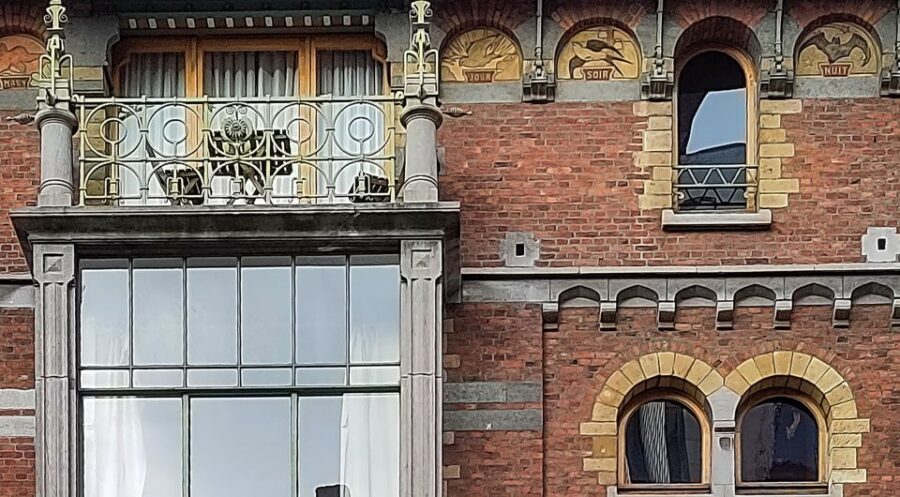
A big part of this experience is simply walking and learning the neighborhoods. The tour highlights some of the most beautiful streets of Brussels and takes you through the outskirts where you’ll find strong examples of Art-Nouveau architecture.
In Saint-Gilles and Ixelles, the tour description points out several stable Art-Nouveau houses created by late nineteenth-century innovators. That’s the sweet spot for your effort: you get enough concentration of the style to learn from it, without feeling like you’re forcing your way through major tourist grids.
Here’s what you should do while walking:
- Slow down for the façade details the guide calls out.
- Look for how ornament sits on the surface and relates to windows, doors, and edges.
- Ask questions when you’re curious—especially after a technique explanation.
This is also where the experience can feel extra rewarding if you enjoy architecture at street level. Brussels’ residential streets can be a little less intimidating than a formal sightseeing corridor, and the guided pace helps you keep up.
When Rain Shows Up: How to Keep Enjoying the Tour
The tour advises bringing an umbrella and rain gear. That’s not just practicality—it affects your experience.
Wet weather can make it harder to hold your phone steady for photos and tougher on your feet if sidewalks are slick. But it also adds texture to surfaces. If you’re learning sgraffito and other surface effects, the darker, damp façades can make contrast pop.
So go prepared, and you’ll still get a lot out of the walk. A poncho works well if you don’t want umbrella hassle on crowded sidewalks. Just plan for the fact you’ll be outside for about 150 minutes.
Value for $17: What You’re Really Paying For
At about $17 per person, this tour is priced like a smart, entry-level architecture deepening. You’re not paying for a single-ticket museum entry. You’re paying for guided interpretation of multiple façades plus technique explanations plus additional audiovisual information.
That balance is the value. Art Nouveau can be hard to read on your own because there are specific terms and methods, and those methods matter visually. A guide turns vague admiration into specific understanding—like knowing what to look for with sgraffito and how it differs from frescoes.
You also get a compact format: about 3 kilometers, 150 minutes. That keeps the learning dense without requiring a half-day commitment.
If you’re visiting Brussels for a short time and want to leave with actual “I learned something” knowledge, this is a strong use of an afternoon.
The Guide Factor: Spanish Delivery and Clear Q&A
The live guide language is Spanish. If you’re comfortable following architectural explanations in Spanish, you’ll likely enjoy the way the tour keeps moving while still answering questions.
In the reviews, the guide Samuel is singled out for clear explanations and a willingness to address doubts. That Q&A-friendly approach matters on a technique-focused tour. People often get stuck when they don’t know the vocabulary. A patient guide helps you catch up in real time, while you can still see the building that caused the question.
The guide also provides additional audiovisual information, which helps bridge the gap between technique names and what you’re seeing on the façade.
Who This Tour Is Best For (and Who Should Skip It)
This tour fits you well if:
- You want a focused Art Nouveau introduction with practical architectural terms.
- You enjoy learning how buildings are made, not only admiring them.
- You like neighborhood walking routes through Saint-Gilles and Ixelles, rather than only major tourist spots.
You might choose something else if:
- You need an English-only guide (this one is Spanish).
- You don’t want to walk roughly 3 kilometers outdoors.
- You’re only interested in a single famous landmark interior—this experience is more about multiple exterior façades and street-level learning.
Should You Book This Brussels Art-Nouveau Tour?
Yes, if your goal is to understand Brussels Art Nouveau with real-world context. The combination of technique teaching (sgraffito vs frescoes), a major architectural reference point (Victor Horta’s Maison du Peuple remains), and a walk that’s long enough to matter but short enough to stay comfortable makes it a good value move.
Book it especially if you like streets and details. You’ll come away with a better eye and a clearer vocabulary, so Brussels doesn’t just look beautiful—it starts to make sense.
FAQ
Where does the tour start?
You meet next to the Horta Metro station (lines 3 and 4), on Chaussée de Waterlo at number 187.
What’s the duration of the tour?
The tour lasts about 150 minutes.
How far do we walk?
The tour includes approximately three kilometers of travel.
What language is the guided tour in?
The live tour guide speaks Spanish.
Is the tour wheelchair accessible?
Yes, the tour is wheelchair accessible.
What’s included in the price?
Included are a guided walking tour and additional audiovisual information.
What should I bring for the weather?
Bring an umbrella and rain gear.
Is there free cancellation?
Yes. You can cancel up to 24 hours in advance for a full refund.
Can I reserve without paying right away?
Yes. You can reserve now & pay later.
Does the tour cover sgraffito and frescoes?
Yes. The tour explains sgraffito and how it differs from frescoes.