REVIEW · BRUSSELS
Brussels: City Center Guided Food Tour with Tastings
Book on GetYourGuide →Operated by NO DIET CLUB · Bookable on GetYourGuide
Brussels has a way of turning food into a story. This 3-hour city-center guided food tour helps you see the historic heart of Brussels while you actually eat the classics, from fries and frikadelle to waffles and Belgian chocolate. You also get a local guide’s running commentary as you walk.
Two things I love most are the food-first approach and the human energy of the guides. I’ve heard standout names like Chloè, Olivia, Amélie, Marine, and Antoine—each one brought real local context and made the stops feel like Brussels, not a checklist. And you don’t just sample one item; you get a mix of savory and sweet bites that add up fast.
One consideration: you’re walking, often on cobblestones, and a few stops may not have much seating. Comfortable shoes help, and I’d come hungry because the tastings are genuinely plentiful.
In This Review
- Key takeaways before you go
- Why a 3-Hour Brussels Food Walk Feels Like Real Travel
- Meeting in the City Center: Patatak on Rue de la Bourse
- First Tastings: Fries and the Brussels-Style Comfort Start
- Frikadelle Stop: Homemade-Style Meat Comfort You Can’t Ignore
- Fish Croquettes: Crispy, Savory, and Very Brussels
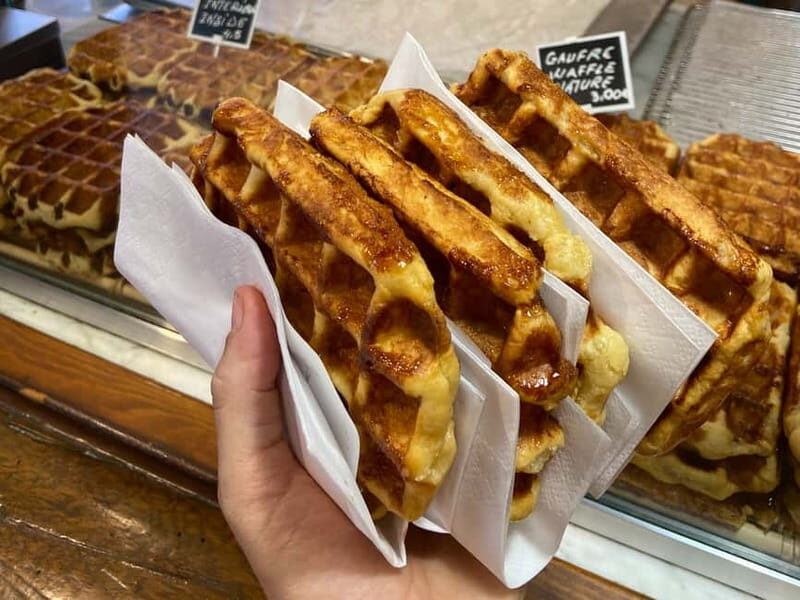
- Liège Waffles and Belgian Chocolate: The Sweet Reset Done Right
- The Guides Matter More Than the Menu
- Vegetarian-Friendly Without Making It Weird
- Price and Value: Is $70 Actually Fair?
- What You’ll Learn (Beyond the Food)
- Walking Reality Check: Comfortable Pace, Cobblestones Included
- After the Tour: Turn Tastings Into a Real Dinner Plan
- Who This Tour Fits Best
- Should You Book This Brussels City Center Food Tour?
- FAQ
- How long is the Brussels city center guided food tour?
- How much does the tour cost?
- What’s included in the price?
- Where do I meet the guide?
- Is hotel pickup or drop-off included?
- Does the tour offer vegetarian options?
- What languages are the guides?
- How big is the group?
- Are tastings the same all the time?
- Is there free cancellation?
- Is there a pay later option?
Key takeaways before you go
- Small-group tour limited to 10 keeps the experience friendly and easy to ask questions.
- Savory plus sweet tastings means you get full coverage of Belgian comfort food and dessert.
- Guides bring more than food with history and food culture woven into the walk.
- Vegetarian options are available, and you’ll have flexibility depending on the menu.
- Seasonal tastings may vary, so expect small changes while keeping the classics.
Why a 3-Hour Brussels Food Walk Feels Like Real Travel
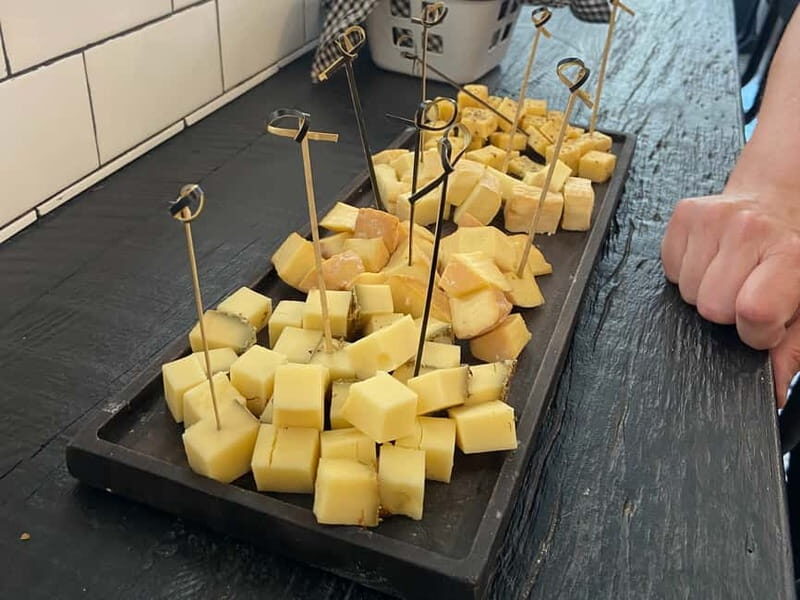
Brussels can be a big-looking city in a small space. Streets feel close, but food options are all over the map. This tour solves that problem in about 3 hours by planning your route around classic eating stops in the center.
The real value is that you’re guided through the why, not just the what. You’re eating Belgian specialties like fries (often cooked in beef fat), frikadelle, and fish croquettes, then switching to sweets with Liège waffles and Belgian chocolate. That rhythm matters. You get salt, then comfort, then a sugar reset—without needing to think too hard in the moment.
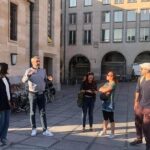
Also, the small group size changes the vibe. With up to 10 people, it feels like a guided hangout. You can ask questions, talk to others, and get personal recommendations for what to do after.
Other Brussels food tours we've reviewed in Brussels


Meeting in the City Center: Patatak on Rue de la Bourse
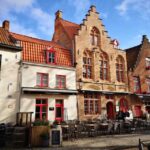
Your tour starts in a very practical spot: in front of Patatak on Rue de la Bourse. That’s helpful because Rue de la Bourse sits in the center, so you’re not commuting across town just to begin.
The tour also ends back at the meeting point. That matters more than you’d think. When you finish, you’re still near your bearings and can choose dinner plans without hunting for your way back through unfamiliar streets.
One small tip from the reality of walking tours: cobblestones are real here. Even if the pace feels comfortable, you’ll still want shoes with grip. Your feet will thank you after the final chocolate stop.
First Tastings: Fries and the Brussels-Style Comfort Start

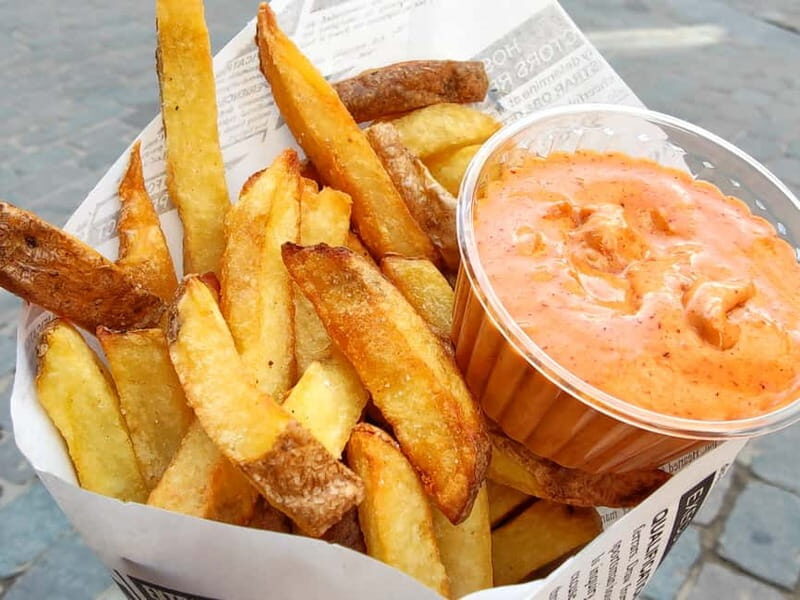
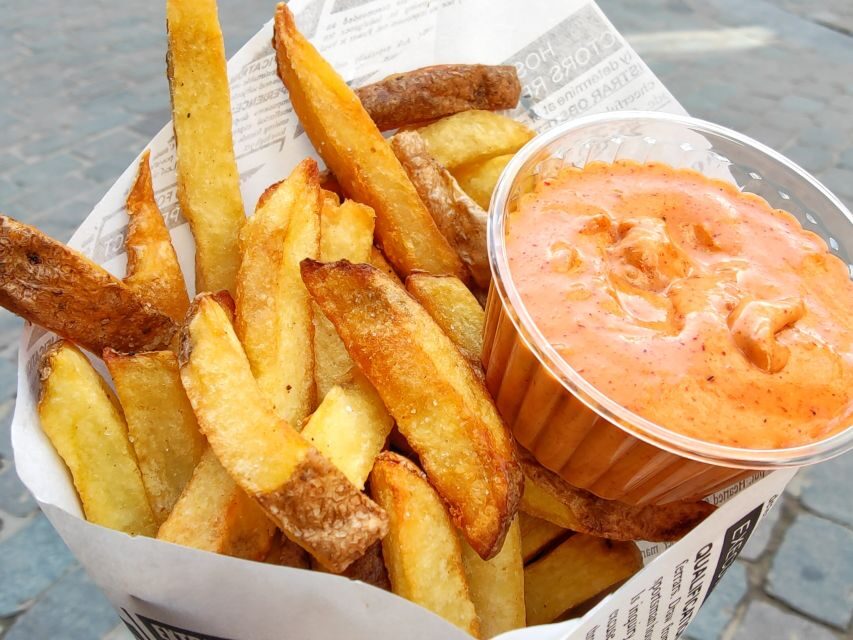
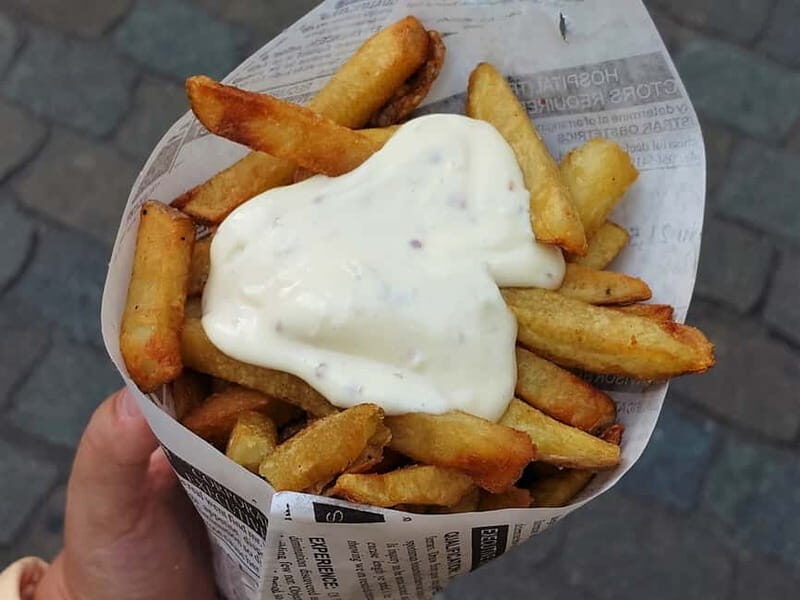
Most food walks begin with something easy to understand. Here, the early move is usually the thing Brussels does best: fries—and not the generic version. One highlighted detail is fries cooked in beef fat. That’s a strong, salty start. It tastes like a local tradition, and it sets expectations for the rest of the tour.
Why I like this start for you: fries are a shared language. Even if you’re picky, you can match the flavor to what you like, then build confidence for the more “Belgian” items later.
What to pay attention to at this stop:
- Eat them right away while they’re hot.
- Watch how the guide describes the dish. The context is part of why it’s worth eating on purpose, not just as a snack.
If you don’t love rich food, take smaller bites. You’ll still get value from the tasting experience, because the tour is about learning the menu culture, not forcing you to finish everything.
Frikadelle Stop: Homemade-Style Meat Comfort You Can’t Ignore
Then comes a taste that feels more intimate than street food. You may get homemade frikadelle, a traditional Belgian meat preparation that’s often described as comfort food you’d expect to find in local kitchens.
This is the kind of dish that helps you understand Brussels beyond the famous sights. It’s not “Belgium as postcard.” It’s Belgium as everyday eating.
What makes this stop work in a guided format:
- A guide can explain how frikadelle fits into Belgian food habits.
- You taste something you might skip on your own because it sounds unfamiliar.
- You leave with a better sense of what locals consider normal.
If you’re with someone who’s not a “foodie,” this stop still works. Meat comfort is a safe bridge between adventurous and familiar.
Fish Croquettes: Crispy, Savory, and Very Brussels
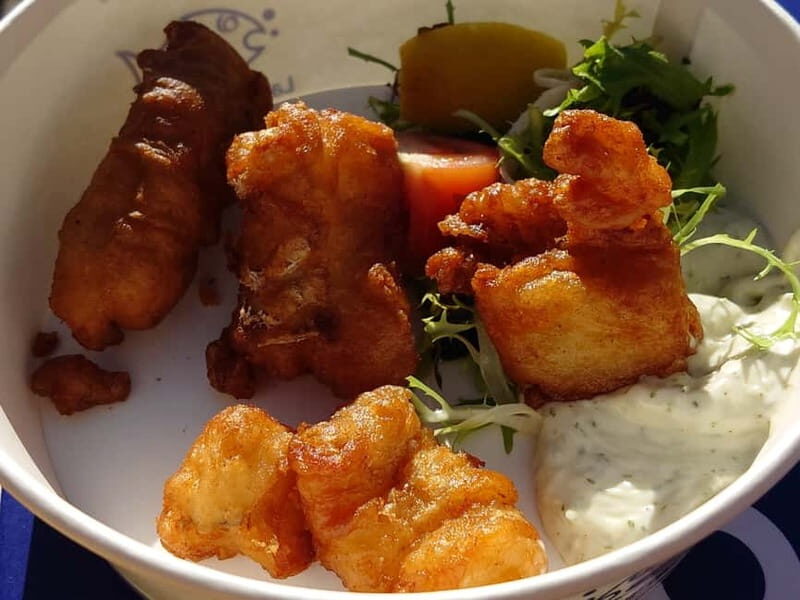
Next on the savory ladder: fresh fish croquettes. This is one of those dishes where the texture is the point. Crunch outside, creamy inside. It’s usually portioned as a tasting, but it still feels like a real course bite—not a tiny garnish.
Why this part matters: fish dishes in Belgium often reflect how locals think about meals. It’s less about fancy presentation and more about satisfying staples.
A practical note: croquettes can be filling, especially after fries and meat. Pace yourself. The sweet stops are coming, and you’ll want room for them.
Other food & drink experiences in Brussels

Liège Waffles and Belgian Chocolate: The Sweet Reset Done Right
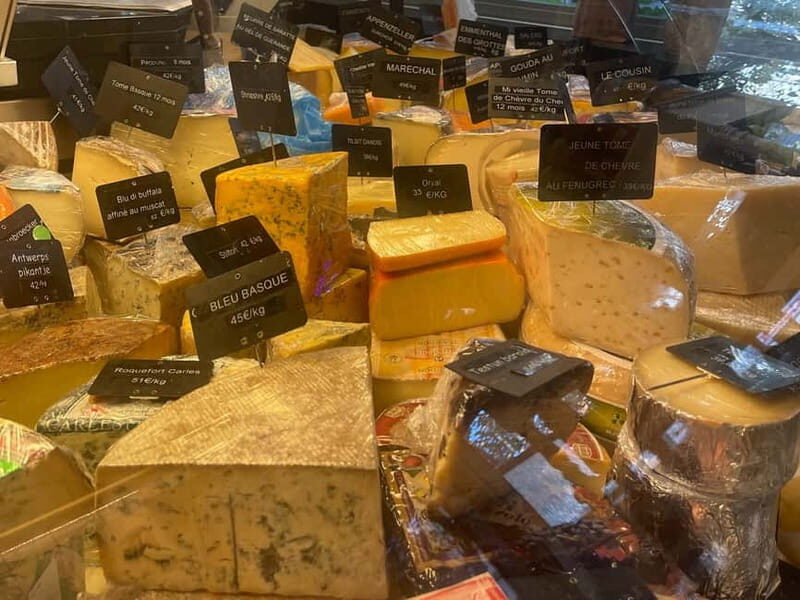
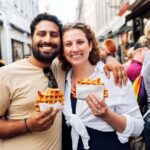
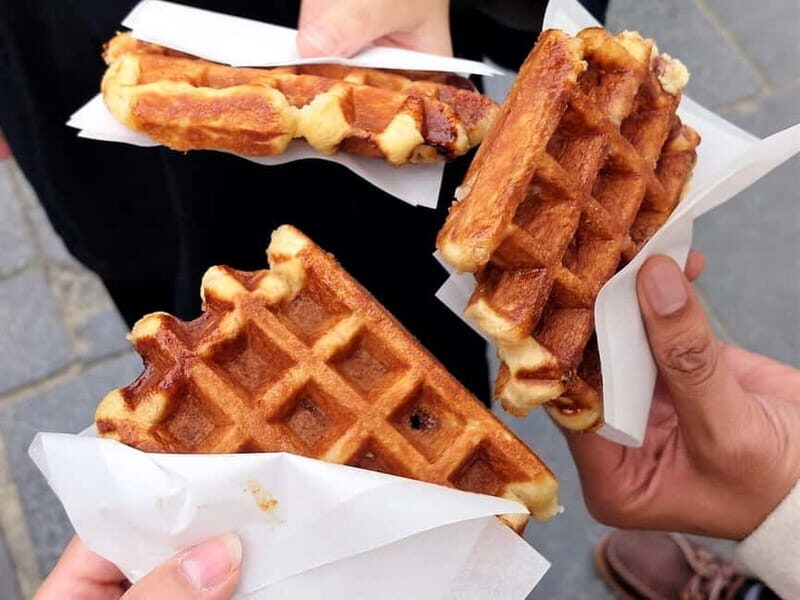
After the savory hits, the tour shifts toward dessert—specifically Liège waffles and Belgian chocolate.
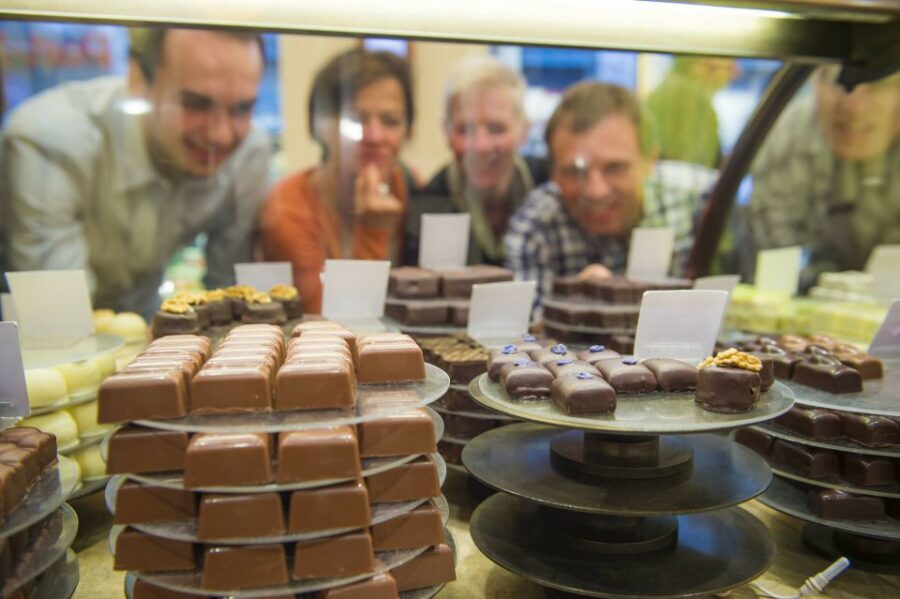
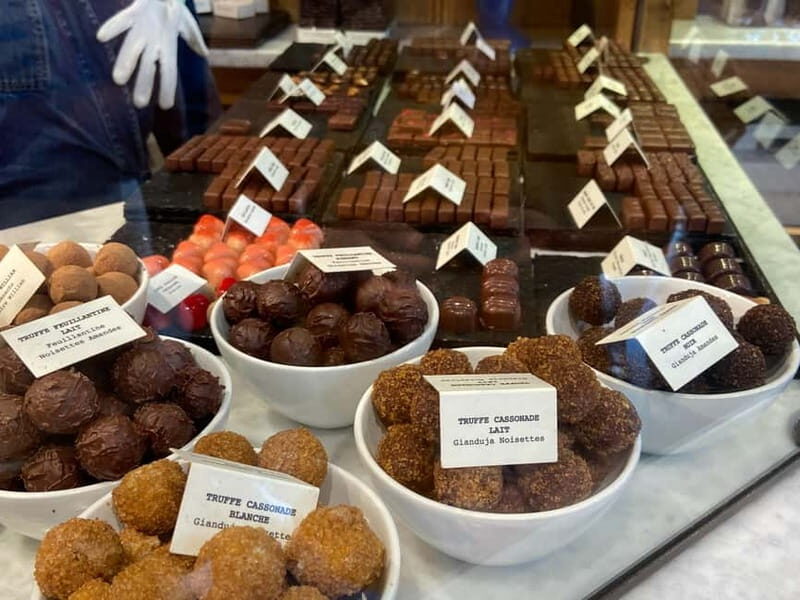
Liège waffles are famous for their distinct sweetness and chewy texture. It’s not just sugar on bread. It’s a Belgian signature with its own identity. On the chocolate side, you’re getting a chance to taste Belgian chocolate in a way that feels intentional, not like a souvenir moment.
This sweet sequence is smart because it teaches a clean contrast:
- Savory stops show Belgian comfort food.
- Sweet stops show the country’s pride in confection craft.
If you run out of room, you may still be able to take a bit to go. One person’s approach was to save room for waffle and chocolate takeaways. Either way, plan to enjoy a few bites slowly. Let the flavors land. That’s when these tastings feel special.
The Guides Matter More Than the Menu
Here’s the thing that comes up again and again: amazing guides don’t just point you to food. They make you care about it.
I noticed a pattern in the kind of guiding people rave about:
- Friendly and welcoming delivery
- Real explanations of food traditions
- Attention to the group
- A relaxed pace that keeps conversation flowing
Standout guide names tied to this tour include Chloè, Olivia, Marine, Amélie, and Antoine. People also liked when guides were engaging and attentive, and when they shared practical tips for what to do next.
What you can do to get the most out of your guide:
- Ask one question during each stop about what dish is most “local” versus most “tourist.”
- If you’re traveling solo, don’t be shy. This format is built for chatting.
- Mention dietary needs early. Vegetarian options are available, and guides can adjust tastings when possible.
Vegetarian-Friendly Without Making It Weird
This tour explicitly notes that vegetarian options are available. That’s a big deal because many food tours say vegetarian-friendly but then keep the menu mostly fixed.
In practice, what you should expect is that your guide will steer you toward suitable options at selected stops. Tastings may vary seasonally, so flexibility can help.
Tip: if you’re vegetarian, show up with a clear idea of what you can eat. Then lean on your guide for the adjustments. You’ll likely end up with a satisfying mix rather than one “sad substitute.”
Price and Value: Is $70 Actually Fair?
The price is $70 per person for a 3-hour small-group walking tour with a guide and food tastings included. That’s not cheap, but it’s also not random pricing.
You’re paying for three things:
- Convenience: you don’t have to plan which places to hit or when.
- Local guidance: someone knows what’s worth eating in the center.
- Food included: multiple savory and sweet stops add up quickly.
If you were to DIY this, you’d likely spend money on several meals or snacks across different places, plus time figuring out where to go next. This tour compresses that process into a single plan, and you get cultural context along the way.
In my view, $70 is best when you:
- Want a fast orientation to Brussels food.
- Like learning while eating.
- Don’t want to waste your first day hunting for the best bites.
If you’re the type who already has strong restaurant plans and you hate walking, then you might skip. But for most people, this feels like smart “first-weekend” value.
What You’ll Learn (Beyond the Food)
This kind of tour does more than feed you. It helps you connect Brussels dishes to the city itself.
You’ll likely pick up bits of:
- How Belgian food culture works in everyday life
- What traditions sit behind the classics you’re tasting
- How the historic center shapes how food places operate
People also mention that they learned history alongside food culture, which makes the walk more than just eating from stop to stop.
Even if you only remember a handful of facts, you’ll still come away with better instincts. Where should you eat later? What should you order? Which neighborhoods feel right? That’s the real payoff after the tastings.
Walking Reality Check: Comfortable Pace, Cobblestones Included
One honest note from the experience: the stops are spread out and you’ll deal with cobblestones. Some places may not offer much seating. That’s typical for older European city centers, especially around the historic core.
What to do:
- Wear shoes you’d actually trust on uneven stones.
- Bring a light layer. Temps can shift while you’re walking.
- If you’re sensitive to standing, go at a steady pace and use moments inside shops to rest your feet.
The tour pacing is described as comfortable, and you don’t have to race. Still, your body needs a little respect.
After the Tour: Turn Tastings Into a Real Dinner Plan
By the time you finish back at Patatak, you should leave with more than full hands and a stuffed stomach. You’ll have a shortlist of places to return to, plus a better sense of what to order.
A good “what next” approach for you:
- Pick one place to revisit for a proper meal.
- Choose a dessert spot only if you still feel like it, since the tour already covers waffles and chocolate.
- If you’re planning a second meal later, order with confidence because you’ll know which dishes match the Belgian style you tasted.
This is why I like food tours early in a trip. They set your preferences for the rest of your stay.
Who This Tour Fits Best
I’d point this tour toward you if:
- You want a guided way to eat Belgian classics without planning every stop
- You like history and culture, not just snacks
- You’re traveling solo and want an easy, social format
- You enjoy both savory and sweet
It’s also a great pick when your schedule is tight. Starting in the late afternoon or evening works well because you’re not wasting daytime on long meals.
If you dislike walking on cobblestones, or you already have every meal reserved, you might feel like the time is less efficient.
Should You Book This Brussels City Center Food Tour?
If you’re heading to Brussels and you want to taste the city without guessing, I think this is a strong booking.
Here’s the quick decision guide:
- Book it if you want multiple tastings, a local guide, and a practical route through the center.
- Skip or swap if walking cobblestones sounds miserable or if you’re only interested in one specific food item.
With food included, a small group up to 10, and standout guides like Chloè, Olivia, Amélie, Marine, and Antoine, this tour is built for people who want the best of Brussels in one focused afternoon.
FAQ
How long is the Brussels city center guided food tour?
It lasts about 3 hours.
How much does the tour cost?
The price is $70 per person.
What’s included in the price?
You get the walking tour, a live guide, and food tastings.
Where do I meet the guide?
Meet your guide in front of Patatak on Rue de la Bourse.
Is hotel pickup or drop-off included?
No. Hotel pickup and drop-off are not included.
Does the tour offer vegetarian options?
Yes. Vegetarian options are available.
What languages are the guides?
The live tour guide speaks English and French.
How big is the group?
It’s a small group limited to 10 participants.
Are tastings the same all the time?
Tastings may vary based on the season.
Is there free cancellation?
Yes. You can cancel up to 24 hours in advance for a full refund.
Is there a pay later option?
Yes. You can reserve now and pay later, keeping your travel plans flexible.