REVIEW · BRUSSELS
Brussels: Belgian Chocolate Making Workshop with Tastings
Book on GetYourGuide →Operated by The Belgian Chocolate Makers · Bookable on GetYourGuide
Want cacao in your hands? This Brussels workshop is built around real bean-to-bar chocolate, from tasting cacao liquor to cracking open the experience with fresh cacao and hands-on making. I love the way the tasting portion trains your palate, especially the unusual flavors like mucilage (the pod juice). I also love that you don’t just watch you leave with a box of chocolate you made yourself: mendiants, truffles, and a personalized bar. One thing to plan for: the training room is air-conditioned, so it can feel chilly, and entry is strict once the session starts.
Patricia runs the workshop in English with a crisp, funny style that keeps everyone moving. You’ll get a hairnet and wristband at the ticket office, but you also need to tie back long hair and be ready to work on time. If you’re sensitive to cold, bring a layer.
In This Review
- Key highlights worth your time
- Entering a Brussels bean-to-bar workshop (not a demo)
- Check-in at Place de la Justice and the short walk to the centre
- Inside the air-conditioned training centre: what to wear and what to expect
- Tastings that teach your palate: beans, liquor, origins, and mucilage
- Meet Patricia and the workshop rhythm
- Making your own chocolates: bar, mendiants, and truffles
- The toppings and nut reality
- Dairy-free and intolerance basics
- The Haiti cacao focus and why traceability matters (in plain terms)
- Bean-to-bar machinery visit: seeing how chocolate gets made
- Price and value: $82 for 90 minutes that leave you stocked
- Practical tips before you go (so the session feels smooth)
- Who this Brussels chocolate workshop is best for
- Should you book The Belgian Chocolate Makers workshop?
- FAQ
- How long is the Belgian Chocolate Makers workshop?
- Where do I check in for the experience?
- What will I make during the workshop?
- Is there chocolate and cacao tasting during the class?
- Can I participate if I’m vegan or lactose intolerant?
- Is the workshop held in a cold room?
Key highlights worth your time
- Cacao pod tastings: hold a fresh pod, sample the beans, and try the pod’s mucilage
- Origin cocoa comparisons: taste premium cacaos from different countries to understand flavor differences
- Real hands-on chocolate making: you produce mendiants, truffles, and a decorated bar to take home
- Bean-to-bar training centre: a well-equipped, air-conditioned lab space designed for instruction
- Follow-up demo on machinery: a look at how beans become chocolate after you make yours
- Bonus store value: 20% off their chocolate collection after class
Entering a Brussels bean-to-bar workshop (not a demo)
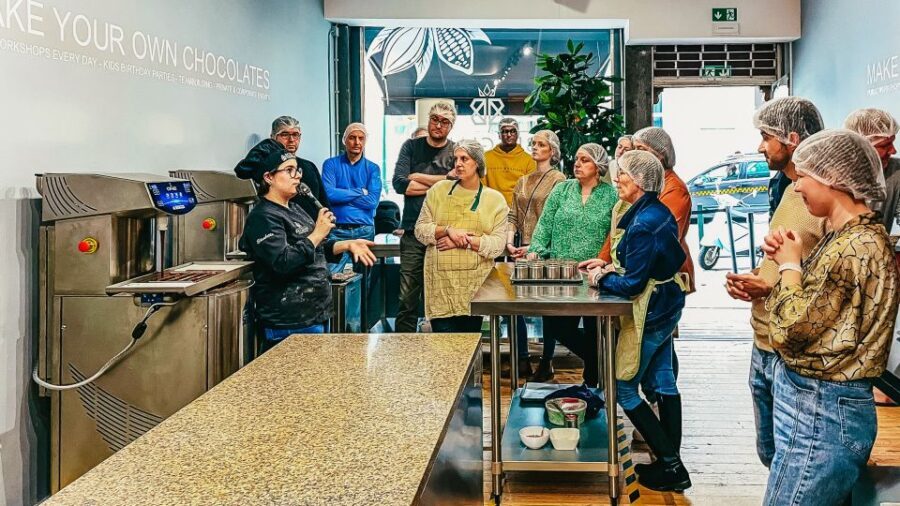
This isn’t the kind of chocolate class where you sit at the back and hope you get a photo. The whole flow is built for you to taste, learn, and then make several chocolate types yourself. Even if you only halfway care about the science of cacao, you’ll still leave with a stronger sense of why chocolate tastes the way it does.
The standout theme is bean to bar, meaning the process stays tied to cacao from start to finish instead of shortcutting with factory-made chocolate. The operation also positions itself as an artisan workshop in the city center and says it does not rely on industrial chocolate in their training sessions. What you experience feels like that mission in practice.
Other Brussels food tours we've reviewed in Brussels


Check-in at Place de la Justice and the short walk to the centre
Your session starts at the Belgian Chocolate Makers ticket office at Place de la Justice 5, near Gare Centrale and Mont des Arts. Show up at least 15 minutes early. After ticket checks, staff give you a hairnet and wristband, then you walk about 200 meters to the training centre.
It’s a simple logistics step, but it matters because they run on time and they do not accept late entry once the workshop starts. If you’re coming straight from sightseeing in winter, give yourself buffer time for queues and coat-on-coat-off. You’ll thank yourself halfway to the door of the lab.
Inside the air-conditioned training centre: what to wear and what to expect
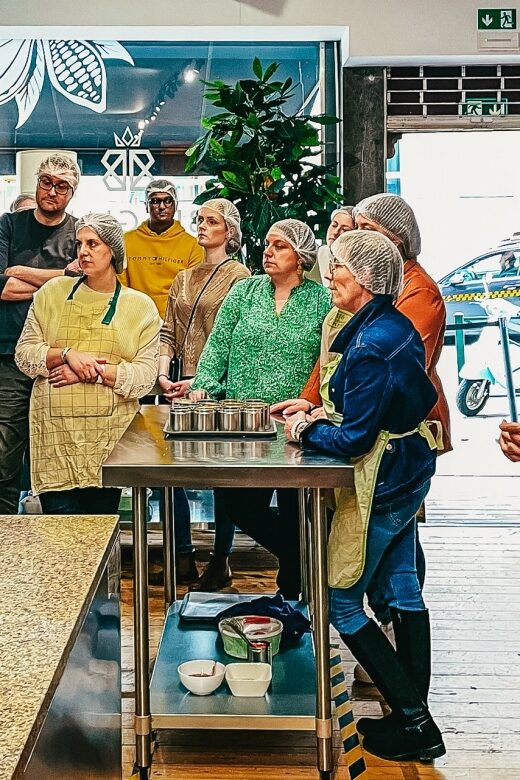
The workshop happens in a new training centre around 150 m², designed to handle large groups (up to 60 people). Even with that capacity, you may still feel like you’re in a smaller class because you work at stations and the instruction style is structured.
Expect these practical realities:
- You must wear the provided hairnet, and you’ll need to tie back long hair
- Water dispensers are available, and there’s a disabled toilet on site
- The room is fully air-conditioned, so dressing for cooler indoor temps is smart
One more practical note: you cannot bring pets, and you can’t bring food or drinks into the workshop space. If you have allergies or food intolerances, tell staff during ticket checking so they can set your chocolate track (especially if you need dark-only).
Tastings that teach your palate: beans, liquor, origins, and mucilage
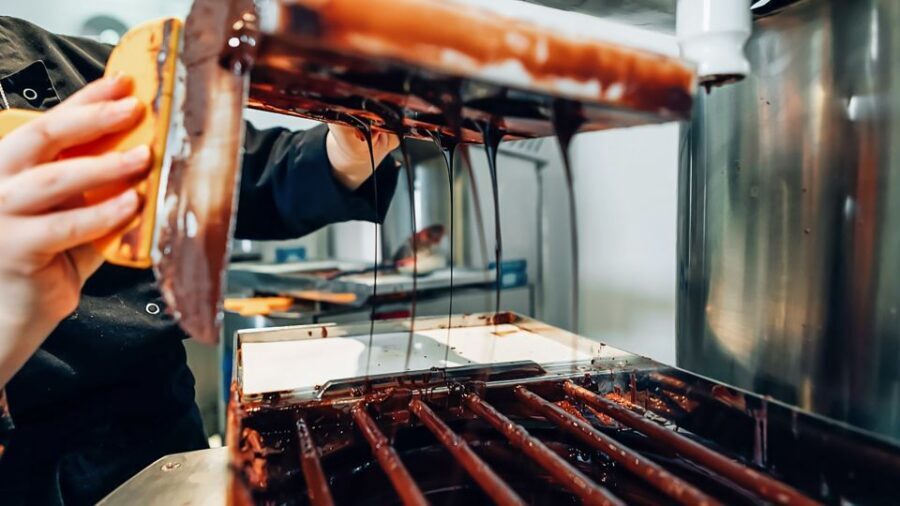
This is where the class feels most different from the usual chocolate workshop.
First, you taste cacao in stages. You’ll try cacao liquor (dark cacao mass; no alcohol) and you’ll also taste cacao beans that can be extremely bitter right out of the gate. It’s a good reality check. The point isn’t to be “delighted” at step one; it’s to understand why processing matters.
Then comes one of the most memorable experiences: you take a fresh cacao pod and taste the beans inside it. You also get to try the mucilage, the pod juice that surrounds the beans. That flavor is unlike anything most people expect from chocolate, and it gives you context for the aromas you’ll later find in chocolate.
Alongside the cacao-stage tasting, you sample premium origin cacaos from different countries. That part is valuable because it connects flavor to origin rather than just to “dark vs milk.” You start to recognize how sweetness, bitterness, and roast character can shift even when you’re working with the same general chocolate family.
If you’re a non-chocolate lover, this tasting sequence is still useful. It forces you to pay attention to small differences in bitterness and aroma, which makes the chocolate you make after feel less like candy and more like something you can actually understand.
Meet Patricia and the workshop rhythm
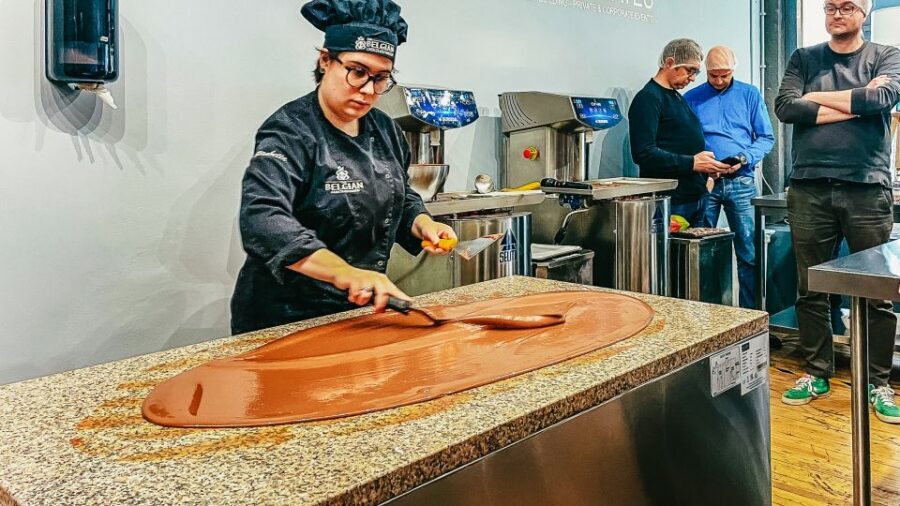
You’ll likely meet Patricia, who leads the session in English. Multiple people highlight her teaching style as funny and on-the-rails in the best way. She keeps instructions clear, and the pace is steady enough that you don’t feel lost, even when the tasks get hands-on.
The rhythm is built like this:
1) a short explanation of the cacao/chocolate process
2) tastings along the way so you’re learning with your mouth
3) making the chocolates at your station
4) a follow-up look at bean-to-bar machinery after you finish
The “strict but entertaining” vibe shows up mainly in how she manages timing and hygiene. You’re working with chocolate, not just decorating a cookie, so she runs it like a proper workshop.
Other Belgian chocolate workshops we've reviewed in Brussels




Making your own chocolates: bar, mendiants, and truffles
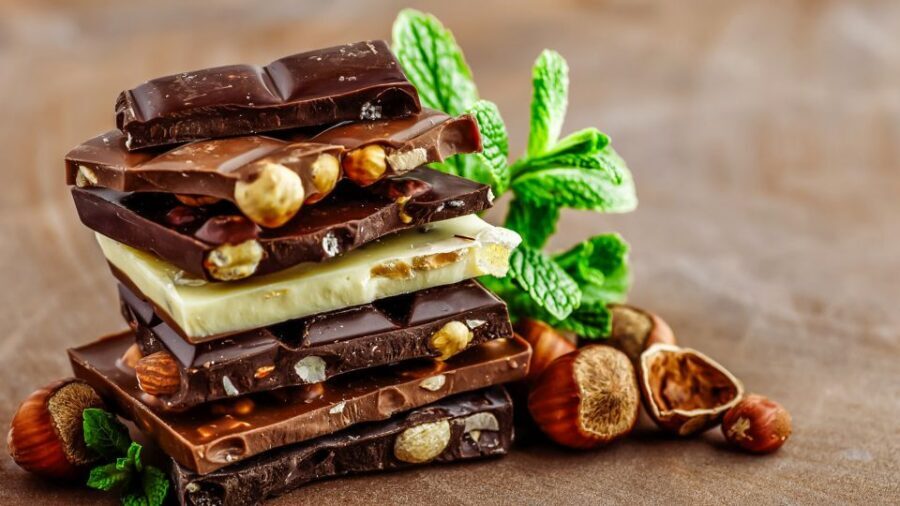
Now for the fun part you’ll actually eat later.
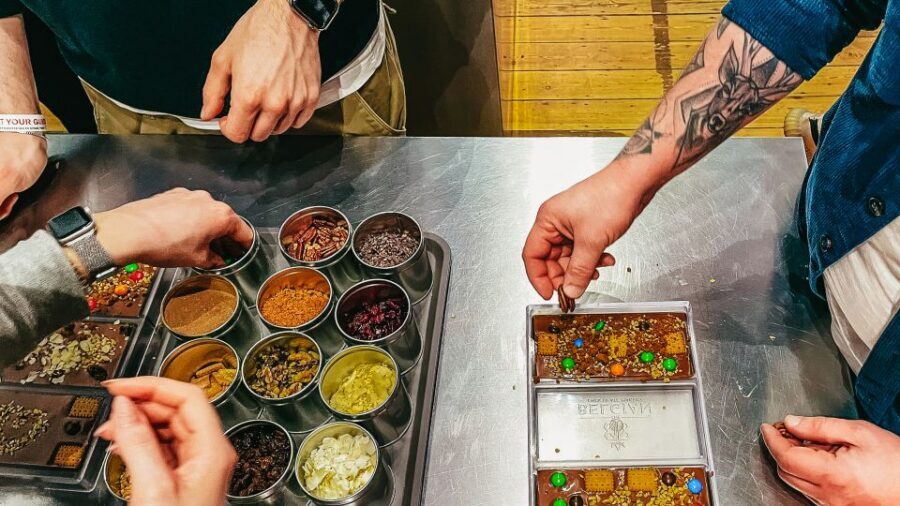
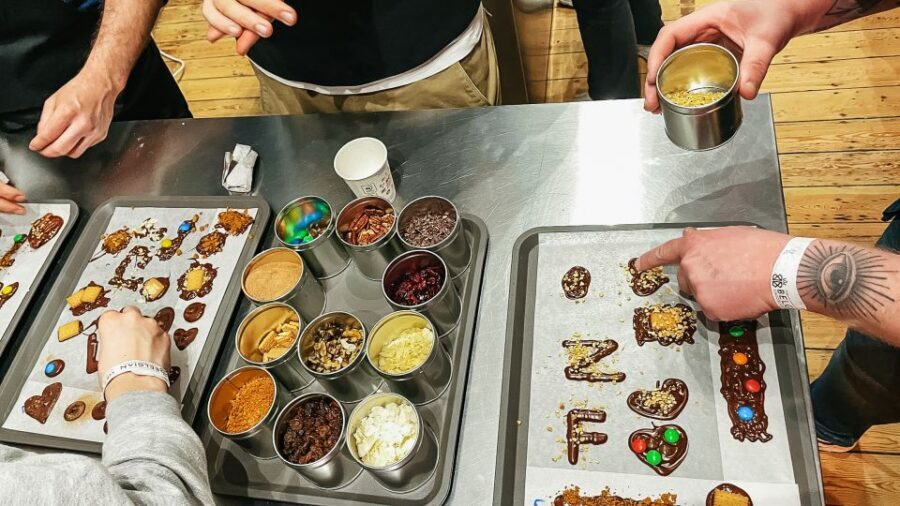
During the 90-minute session, you handcraft:
- A personalized chocolate bar (made using either dark or milk options, depending on your needs)
- Mendiants
- Truffles
You also get to take everything you make home. That’s a big value point, because your “souvenir” isn’t just a small tasting. It’s multiple chocolate formats, packed in a box you receive during the workshop.
The toppings and nut reality
Your toppings include nuts. So if you have nut allergies, you need to treat this workshop carefully. The information provided also notes the workshop isn’t suitable for people with food allergies, gluten intolerance, or lactose intolerance. If you’re lactose intolerant or vegan, you’ll only be able to work with dark chocolate, since milk options won’t fit your dietary constraints.
Dairy-free and intolerance basics
They work with dark and milk chocolates. For vegan and lactose intolerant participants, dark chocolate is the path. That matters for expectations: your experience will be similar in structure, but the exact textures and taste profiles will shift because dark and milk behave differently while tempering and setting.
The Haiti cacao focus and why traceability matters (in plain terms)
Here’s what you’ll learn during the course: cacao doesn’t just taste different because it’s old or new. It tastes different because origin, farming, and processing lead to different flavor components.
The chocolate you use during the workshop is made from Haiti, and the included detail calls out Grand Anse. That connects the workshop to one specific growing region rather than a random grab bag. At the same time, you still taste other origins during tastings, so you can compare how the flavor map changes.
They also emphasize traceability and responsible sourcing. The workshop information says the cacao supply you use is 100% traceable, with claims about no deforestation and no child labor, and that farmers receive fair revenue. I can’t verify certifications in this format, but the workshop explicitly positions itself as an ethical and trackable source chain. If that’s important to you, it’s a meaningful part of the pitch, not a side note.
Bean-to-bar machinery visit: seeing how chocolate gets made
After you finish making your chocolates, you visit their bean-to-bar machinery and see explanations of how the process works. This matters because it closes the loop.
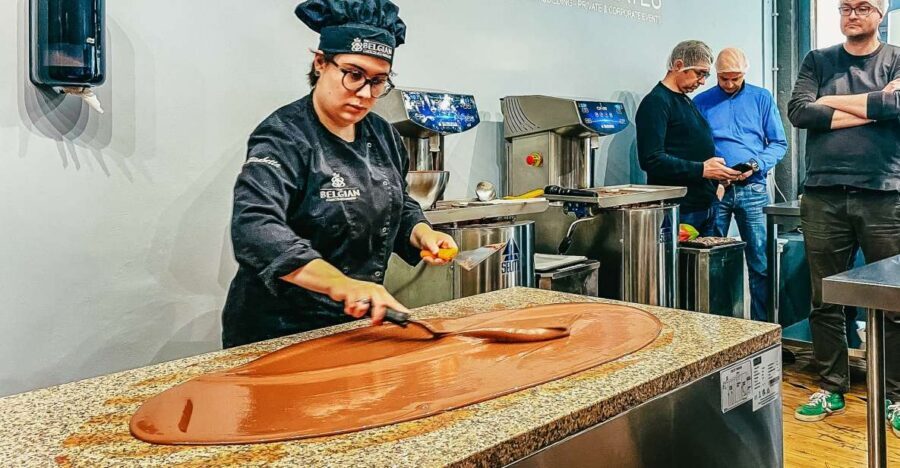
You taste cacao. You make chocolate with it. Then you see the machinery that helps transform beans into workable chocolate and finished products. Even if you don’t remember every term, the big idea lands: chocolate is a controlled process, not an instant transformation.
Price and value: $82 for 90 minutes that leave you stocked
At $82 per person for 90 minutes, this isn’t a cheap “walk-in and snack” activity. The value comes from two things that you should check against your own travel style:
1) You take home everything you make (bar, mendiants, truffles)
2) You get multiple tastings, plus the cacao pod experience, which isn’t typical at budget classes
On top of that, you get a 20% discount on their chocolate collection in their stores. That discount can push the real cost down fast if you were already planning to buy chocolates in Brussels.
There’s one practical caution echoed indirectly by many people: some find the price slightly high. If you’re only looking for a quick sugar fix, you might feel it. But if you want a hands-on skill plus a real learning format, the take-home portion makes the price easier to swallow.
Practical tips before you go (so the session feels smooth)
A few things I’d do before I booked or showed up:
- Dress for cool indoor air due to full air-conditioning
- Wear clothes that are easy to manage with a hairnet
- Tie back long hair before you arrive, not at the last second
- If you have allergies or intolerance needs, tell staff at check-in so they can steer you to the right chocolate track
- Expect a short walk from the ticket office, and note that there can be stairs around the route
Also, plan your schedule so you’re not rushing across central Brussels in winter. The session is time-based, and late arrivals won’t be accepted once it begins.
Who this Brussels chocolate workshop is best for
This works best if you want an active, structured food activity and you enjoy learning through taste.
It’s a great fit for:
- chocolate lovers who like hands-on making
- couples who want a shared activity with a tasty payoff
- families with older kids (the workshop isn’t suitable for children under 6)
- anyone who likes ethical sourcing themes and origin comparisons
It’s not a good fit if:
- you have gluten intolerance or lactose intolerance (detailed restrictions apply)
- you have food allergies (toppings and chocolate processes raise risk)
- you prefer a purely relaxed sightseeing break with no workshop rules
Should you book The Belgian Chocolate Makers workshop?
If you’re deciding between a quick tasting and a structured chocolate-making class, I’d lean toward booking this one. The cacao pod tastings and mucilage are the kind of experiences that don’t show up in a typical Brussels chocolate shop, and the fact you take home your own bar, mendiants, and truffles makes it feel like a real activity, not just a tour.
If you’re very sensitive to cold or you dislike strict start times, plan carefully and dress for the air-conditioned room. But if you can follow the basic rules and you like the idea of learning by doing, this workshop is one of the more satisfying ways to spend 90 minutes in Brussels.
FAQ
How long is the Belgian Chocolate Makers workshop?
The workshop lasts 90 minutes.
Where do I check in for the experience?
Check in at the Belgian Chocolate Makers ticket office at Place de la Justice 5, near Gare Centrale and Mont des Arts.
What will I make during the workshop?
You’ll make a personalized chocolate bar, mendiants, and truffles. Everything you make is yours to take home in the box they provide.
Is there chocolate and cacao tasting during the class?
Yes. You’ll taste chocolate along the way, including cacao liquor (no alcohol), plus premium origin cacaos from different countries. You’ll also taste fresh cacao beans and the mucilage from a cacao pod.
Can I participate if I’m vegan or lactose intolerant?
If you are vegan or lactose intolerant, you will only be able to work with dark chocolate.
Is the workshop held in a cold room?
The training centre is fully air-conditioned, and it may feel cold during the activity. Dress accordingly, and plan to wear the provided hairnet.