REVIEW · BRUSSELS
A Self-Guided Tour of Brussels: From Medieval to Modern Times
Book on Viator →Bookable on Viator
Brussels tells stories at walking speed. I love how the VoiceMap app gives offline access to audio and maps, and I love the built-in payoff of climbing Palais du Justice for big panorama views. One thing to plan for: the route is mostly uphill, so wear good shoes and take it slow.
For about $9.99, you get lifetime use of the English tour, so you can repeat it or re-walk sections later. You start at Pl. des Palais 1 and finish at Lookout des Marolles, following phone directions stop by stop.
This is a self-guided audio tour (no group meeting, no waiting around), and it’s designed for you to move at your pace. Once you book, you’ll get instructions and a unique code to download the tour on your device.
In This Review
- Key Things You’ll Get Right Away
- How This VoiceMap Tour Works (Offline, lifetime access, and the tap-to-start flow)
- From Pl. des Palais to the Royal Square: Royal lineage at walking distance
- UNESCO Grand Place: Guild-house architecture with stop-by-stop attention
- Palais du Justice steps: the walk’s biggest payoff (and your cue to slow down)
- Musical Instruments Museum and Mont des Arts: stories for your ears and a breather for your feet
- Chapels and the medieval edges: Mary Magdalene Chapel and Agoraplein–Grasmarkt
- Galerie de la Reine, Toone puppet theater, and Jeanneke-Pis: Brussels’ playful side
- La Monnaie and De Brouckèreplein to the Black Tower: culture, commerce, and a clash of old/new
- Church of Saint Catherine and Sint-Katelijneplein: a side of Brussels for architecture lovers
- Brussels City Museum and Town Hall: administration and civic pride made visible
- Manneken Pis and viewpoints: the comedy statue and the skyline view
- Ending at Lookout des Marolles: finish your walk with a calmer point of view
- Price and Logistics: why $9.99 can be a smart deal for Brussels
- Who This Tour Suits (and who should choose a different style)
- Should You Book This Brussels Walk?
- FAQ
- How long is the Brussels self-guided tour?
- What is included in the price?
- Are museum or attraction tickets included?
- What do I need on my end to use the tour?
- Where does the tour start and end?
- Can I use the tour before and after my booking date?
- Is there an option to use the tour at home?
- Is the tour available at any time?
Key Things You’ll Get Right Away
- Offline audio and maps in the VoiceMap app mean less dependence on phone signal.
- A royal-family focus near the start, walking you through how Brussels connects to Belgium’s monarchy.
- UNESCO Grand Place with guided attention on the guild house and palace ring around the square.
- Best-views climbing built into the route, especially around Palais du Justice steps.
- Quick culture stops for comics, puppets, and quirky statues like Manneken Pis and Jeanneke-Pis.
How This VoiceMap Tour Works (Offline, lifetime access, and the tap-to-start flow)
This is a self-guided walking tour using the VoiceMap app (Android and iOS). After you book, you’ll get instructions plus a unique code. Install the tour, download it, then when you reach the correct starting spot, you tap start in the app.
The big practical win is the offline access: audio, maps, and geodata are available without relying on mobile data. That matters in Brussels, where you’ll be outside most of the time and may bounce between streets and squares with patchy reception. You also get lifetime access to the English tour, plus you can use it before your booking date and after, and there’s even a virtual tour option you can run from home.
One more detail I like: the narration is produced by Isaac, so the storytelling style is built around connecting landmark sights to the city’s character and political importance—not just listing addresses.
Because it’s self-guided, you control pace. If you want to pause for photos, step into a church if it’s open, or just sit on a bench for a minute, you can. If your phone battery is low, plug in a power bank early. The only real “gotcha” here is technical trouble—if the narration glitches, you’ll want to restart the app and confirm the correct download.
Other self-guided audio tours we've reviewed in Brussels


From Pl. des Palais to the Royal Square: Royal lineage at walking distance
You begin near Pl. des Palais 1, as you approach the Royal Palace area. This first segment is about Belgium’s royal family lineage, with the former residence role of the area explained as you get your bearings. It’s a smart opening because it gives you a framework for what you’ll see later: Brussels isn’t only a pretty city—it’s a political stage.
As you move into the Royal Square, you’ll see the statue of Godfrey of Bouillon. This stop helps shift your mind from modern authority to medieval roots. Even if you’ve seen photos of Brussels landmarks before, this part helps you read the city like a story that starts earlier than the skyline.
What to watch for: this section sets the tone, so don’t rush past it. If you’re the type who likes to know why something matters before you take a picture, this is where you’ll appreciate the audio most.
UNESCO Grand Place: Guild-house architecture with stop-by-stop attention
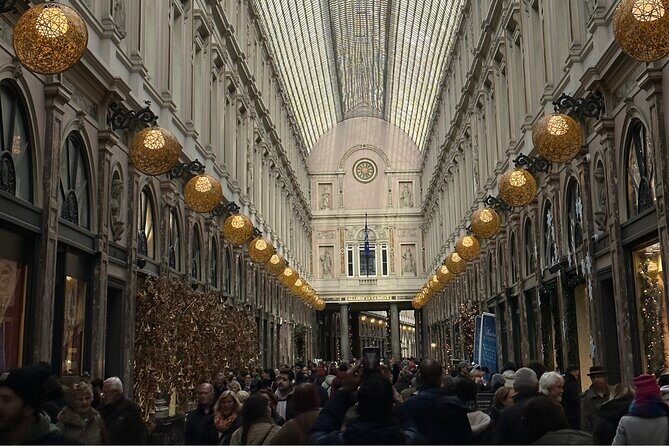
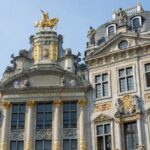
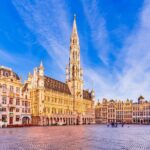
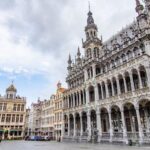
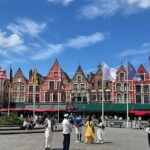
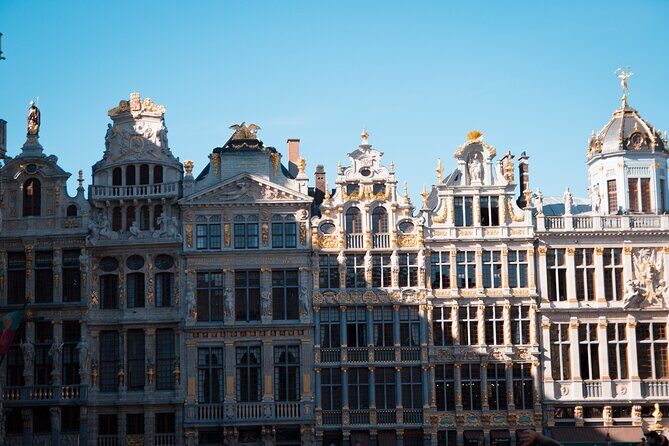
Next comes the UNESCO-listed Grand Place. This is the kind of place where your eyes keep bouncing: guild houses, palaces, ornate façades, and the sense that the square has always been the public living room of Brussels.
The tour keeps you focused on what you’re actually seeing: the way those buildings form a ring around the square and how they signal wealth, power, and civic pride over time. You’ll also get a reminder that this is more than a backdrop for photos—this square is part of Brussels identity.
Then there’s a fun pivot. You’ll spot a Tintin comic mural, which brings Brussels’ modern pop culture into the walking mix. It’s a nice reminder that the city isn’t only stone and royalty; it also celebrates comics and street art energy.
Practical tip: Grand Place fills with people. Give yourself space for pauses. If you want fewer photo delays, aim for earlier in the day rather than peak afternoon.
Palais du Justice steps: the walk’s biggest payoff (and your cue to slow down)
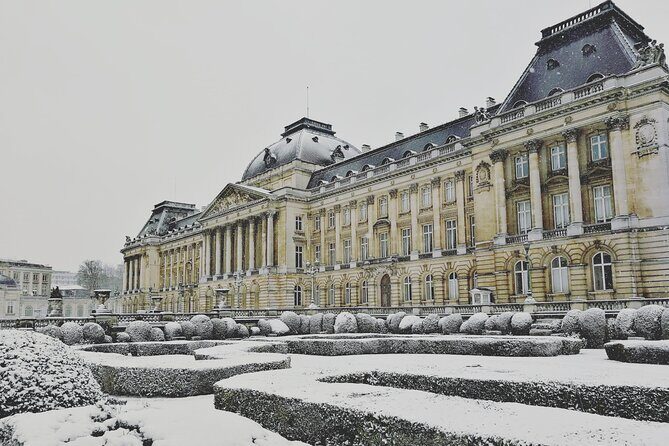
The route includes a climb to the Palais du Justice. This is one of those moments where your legs complain first—and then your phone camera thanks you later. The narration leads into the idea of reaching the city views from the steps, and that’s exactly what you get: a wide panorama where you can piece together where everything sits.
This is also where the “uphill” consideration becomes real. If you felt it on earlier streets, you’ll feel it more here. I’d treat this like a reward climb, not a sprint. Stop when you need to, drink water, and let the view reset you.
If you have mobility limits, plan around this segment. The tour is designed as a walking route, and the route includes stairs and upward streets. If you want a mostly flat sightseeing day, this may not match your style.
Musical Instruments Museum and Mont des Arts: stories for your ears and a breather for your feet
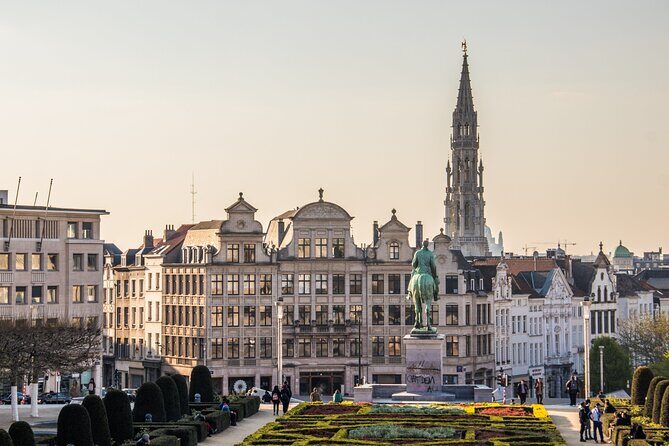
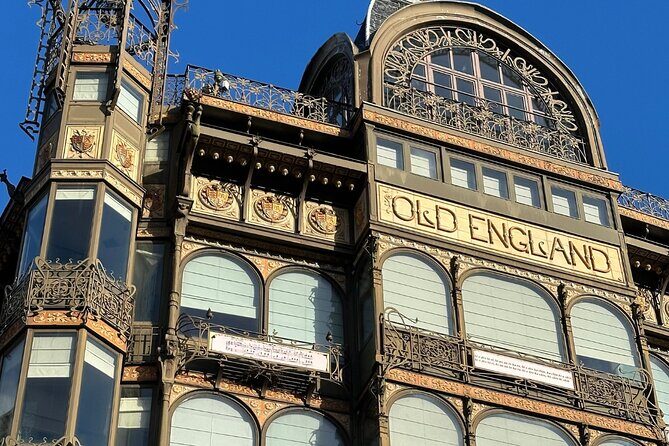
After the big civic sights, you head into a more reflective mode. At the Musical Instruments Museum, the audio tells you stories about how music evolved through the ages, while you’re near an impressive collection of instruments.
Important practical note: tickets aren’t included. So the audio can prepare you for what you’d see, but if you want to go inside and browse, you’ll need to buy admission separately.
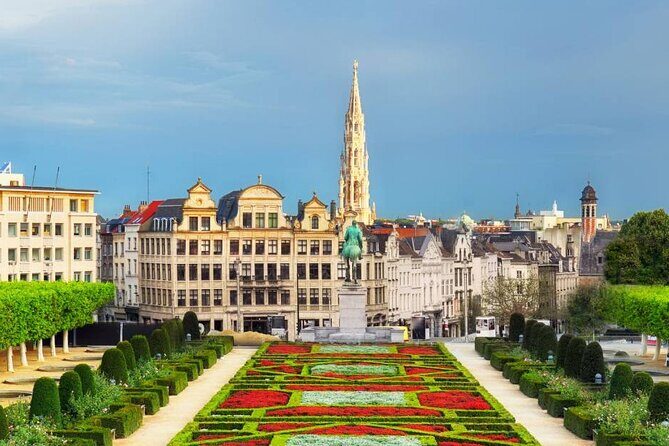
Then you move toward Mont des Arts Garden, a calmer spot that works like a reset button. This garden area is picturesque and gives you a bit of breathing room away from the busiest streets. If your day started fast, this is where you can slow down without feeling like you’re wasting time.
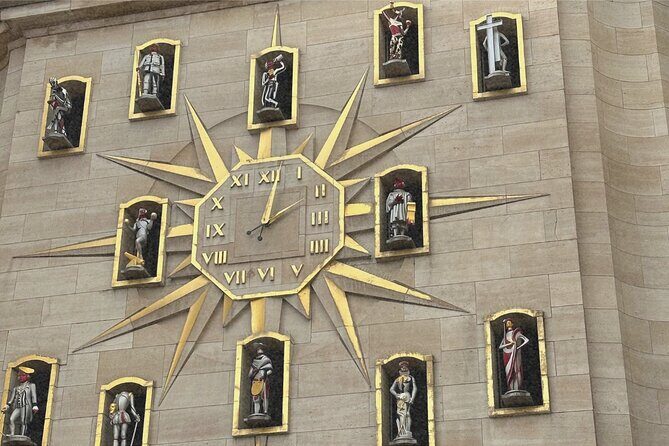
You’ll also pass the Klokkenspel van de Kunstberg, where bell sounds add an extra layer. Even if you don’t plan to stop long, hearing bells while walking makes the city feel less like a checklist.
Other guided tours in Brussels


Chapels and the medieval edges: Mary Magdalene Chapel and Agoraplein–Grasmarkt
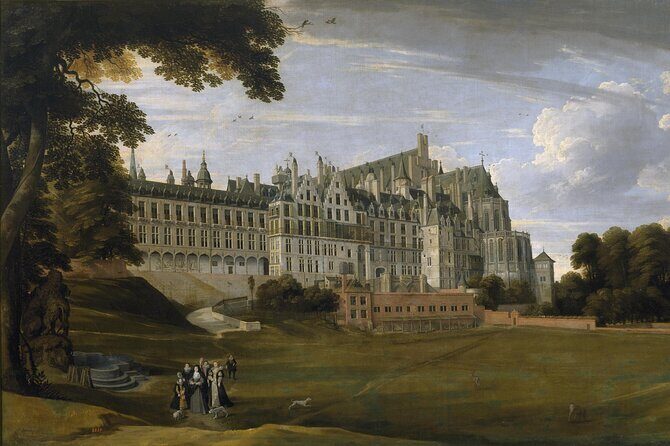
The itinerary includes the Mary Magdalene Chapel, where you’ll pick up context about Brussels’ religious heritage and the chapel’s historical and architectural significance. This is the sort of stop that helps you notice details you might otherwise overlook—shape, craftsmanship, and the city’s layered beliefs.
Then you reach Agoraplein–Grasmarkt. The audio focuses on remnants of Brussels’ former harbor and traces of medieval city walls. That’s a great pairing: first you look at sacred architecture, then you learn about how the city protected itself and used its waterways.
If you like “how the city worked” history—roads, walls, and trade routes—this segment will click. If you only want the biggest photo landmarks, you may skim it. Either way, it adds depth to the walk.
Galerie de la Reine, Toone puppet theater, and Jeanneke-Pis: Brussels’ playful side
At Galerie de la Reine, you’ll experience the elegance of a historic shopping arcade with intricate architectural detail. These arcades can feel easy to ignore when you’re rushing, but the audio nudges you to look at the structure and design choices that make them memorable.
Next comes Toone, a puppet theater with deep tradition. It’s a cultural stop that changes the pace from grand squares to everyday folk entertainment. Even if you don’t sit for a show, the fact that it’s part of the tour plan tells you something: Brussels likes its art slightly weird and very local.
Then you’ll meet Jeanneke-Pis. Yes, it’s another peeing statue. But that’s the point. Brussels has a sense of humor about itself, and these playful icons keep the day from turning into pure monuments.
La Monnaie and De Brouckèreplein to the Black Tower: culture, commerce, and a clash of old/new
You’ll pass La Monnaie De Munt, the opera house area, where the tour points you to Brussels’ cultural scene and the opera’s historical role. Since admission tickets aren’t included, think of this stop as a place to orient yourself and listen, not necessarily a promise you’ll sit inside.
De Brouckèreplein then brings you into a more active square environment—use it as a reset point if you need a quick stretch. After that, the Black Tower appears in a city setting of modern buildings. This contrast—ancient structure next to newer streets—makes Brussels feel real. The city didn’t freeze in time. It keeps building, while old pieces refuse to disappear.
If you like architecture juxtapositions, don’t rush this segment. Glance up and compare what’s surviving versus what’s been replaced.
Church of Saint Catherine and Sint-Katelijneplein: a side of Brussels for architecture lovers
The Church of Saint Catherine is one of the stops where the tour helps you read religious architecture as part of the city’s story. You’ll also encounter the Ancien Clocher Sainte Catherine, which gives a historical perspective on medieval Brussels architecture remnants.
Then comes Sint-Katelijneplein, where the focus is on a lively square with markets and street life. This is a good place to snack if you planned ahead (food and drink aren’t included), and it’s also a good spot to watch locals do normal everyday things while you catch your breath.
Practical advice: since you’ll be walking for 1 hour 30 minutes to 2 hours on average, plan for small breaks. You’ll enjoy it more, and you’ll make the uphill sections feel less punishing.
Brussels City Museum and Town Hall: administration and civic pride made visible
You’ll pass the Brussels Stock Exchange, getting a look at the city’s financial history. Then the route includes the Brussels City Museum for deeper context through historical artifacts—again, tickets aren’t included, so the audio will guide you around the experience, and you can decide whether you want to pay to enter.
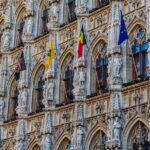
Next comes the Brussels Town Hall. This is a strong “capstone” sight: the architecture is meant to impress, and the tour’s focus on its administrative significance helps you understand why it matters. Town Hall isn’t only pretty; it represents governance and civic identity.
If you’re the kind of traveler who likes to connect buildings to systems—who runs things, how decisions get made—you’ll get extra value here.
Manneken Pis and viewpoints: the comedy statue and the skyline view
At some point, you’ll encounter Manneken Pis, the iconic Brussels pee statue. It’s one of the most recognizable sights on Earth, and the tour nudges you to chuckle—because Brussels is serious about history, but it also makes room for comedy.
From there, you’ll head toward the View Grande Roue Bruxelles. This gives you a unique vantage point to see the skyline. Like museums, it may involve an attraction with its own ticketing, and the tour doesn’t include entrance fees—so treat the audio as your guide to the experience rather than a free pass.
Finally, the route again emphasizes the Palais du Justice steps and panoramic views, reinforcing that this is the “big look back at the city” moment.
Ending at Lookout des Marolles: finish your walk with a calmer point of view
The tour ends at Lookout des Marolles on Rue des Minimes 66. This finish matters because it helps you decompress after the main sightseeing stretch. Instead of ending on another crowded square, you get a viewpoint-style conclusion—your reward for the walking and climbing.
This is also a helpful place to decide what your next move is: a final coffee, a museum stop if you planned one earlier, or just a slow stroll back to where you’re staying.
Price and Logistics: why $9.99 can be a smart deal for Brussels
At $9.99 per person, this tour is priced like an inexpensive ticket, not a paid guide day. That’s why it works so well for the kind of traveler who enjoys structure but hates rigid schedules.
Here’s what you’re really paying for:
- Lifetime access in English
- Offline audio, maps, and geodata through the VoiceMap app
- A long route with multiple major sights and story stops packed into roughly 1.5 to 2 hours
- Use before your booking date and after your booking date
It’s also a private activity in the sense that your group uses the tour code—no strangers tagging along. You still walk at your own pace, but you’re not stuck in a group herd.
If you’re traveling with friends who think you should keep moving, this format helps. You can all start together, sync your stop-by-stop pace, and still pause when you want.
Who This Tour Suits (and who should choose a different style)
This self-guided Brussels walk is best for you if you:
- enjoy learning while walking without a live guide
- like big landmarks plus quirky local culture
- want offline reliability through VoiceMap
- don’t mind some stairs and uphill streets for better views
It may be less ideal if you want a mostly flat, minimal-walking route. The climb to the Palais du Justice steps is a standout, and the overall walking pattern leans upward. Also, if you’re prone to phone trouble—low battery, dead sound, spotty downloads—take extra care to download the tour content before you start.
One more balancing note: if narration loops or repeats because of a technical issue, don’t force it. Restart the app, check the download, and resume from the correct stop.
Should You Book This Brussels Walk?
If you want an organized, story-led way to see Brussels without paying for a private guide, this is a strong pick. The value is unusually good for the price because you get lifetime access and offline use, and the route includes multiple “why this matters” explanations tied to royal lineage, the Grand Place UNESCO square, and the city’s viewpoint payoff.
I’d book it if your ideal day includes a little walking, a few cultural curveballs (comics, puppets, quirky statues), and one or two serious look-at-the-city climbs. Skip it only if you know uphill routes will frustrate you or if you can’t rely on your phone’s battery and audio.
FAQ
How long is the Brussels self-guided tour?
It’s listed as about 1 hour 30 minutes to 2 hours, approximately. Your pace can change depending on how long you linger at viewpoints and outdoor stops.
What is included in the price?
You get lifetime access to the tour in English, plus the VoiceMap app for Android and iOS with offline access to audio, maps, and geodata.
Are museum or attraction tickets included?
No. Tickets or entrance fees are not included for museums or other attractions along the route.
What do I need on my end to use the tour?
You need a smartphone and headphones, since those are not included.
Where does the tour start and end?
It starts at Pl. des Palais 1, 1000 Bruxelles, Belgium, and ends at Lookout des Marolles, Rue des Minimes 66, 1000 Bruxelles, Belgium.
Can I use the tour before and after my booking date?
Yes. You can use the tour unlimitedly before your booking date and after it.
Is there an option to use the tour at home?
Yes. A virtual tour option is available at home.
Is the tour available at any time?
The opening hours shown for the tour run Monday through Sunday, 12:00 AM to 11:59 PM (within the listed date range). Individual sites may still have their own hours.