REVIEW · BRUSSELS
Walking Tour with Degustation in the Heart of Brussels
Book on GetYourGuide →Operated by My Super Tour · Bookable on GetYourGuide
Belgium tastes better on foot. This 3-hour guided walk pairs Belgian food and drinks with major sights like the Grand-Place and Royal Galleries, so you get street-level flavor plus clear city context. I especially like how the guide makes each stop feel purposeful, not random, and connects what you’re eating to what you’re seeing.
The main trade-off: this is a true walking tour. It’s not suitable for wheelchair users, and you’ll be on your feet for most of the experience.
In This Review
- Key moments that make this tour worth it
- Why this 3-hour Brussels walk feels like value
- Meeting at Karel Huls: find the yellow sign and start on time
- Rue du Marché aux Herbes to Saint-Hubert Royal Galleries: the city gets stylish fast
- Toone (about 20 minutes): a stop that adds character
- Grand-Place for 40 minutes: the square that earns the hype
- Rue de la Fourche: 30 minutes of local snacks and the route that makes sense
- Place de la Bourse and Saint Nicholas Church: architecture with a quick pulse check
- Pl. des Barricades 4: the kind of corner you’d miss alone
- Cathedral of St. Michael and St. Gudula: the Gothic finish that Victor Hugo noticed
- The tasting: what you eat and why the guide’s stories matter
- Trappist beer and traditional drinks: why this part isn’t just for drinkers
- Mural art and the Belgian storytelling style
- Pace, comfort, and what to bring (so you can actually enjoy the walk)
- Who should book this tour, and who should skip it
- Price and value: how $82 adds up for what you get
- Should you book it?
- FAQ
- How long is the walking tour with degustation?
- How much does the tour cost?
- What’s included in the price?
- What can I expect to taste during the tour?
- Where does the tour start?
- What languages are offered?
- Is the tour wheelchair accessible?
- What should I bring?
- Can I cancel for a full refund?
- Can I reserve and pay later?
Key moments that make this tour worth it
- Grand-Place first-class photo time with a real explanation of what you’re looking at
- Saint-Hubert Royal Galleries plus Toone for art, architecture, and local culture
- A food-and-drink tasting that includes a waffle experience in at least some runs
- Belgian classics with names you’ll remember like moules frites, carbonnade de la Flamand, and waterzooi
- Monastic beer focus, including Trappist-style beer stories and traditions
- A dramatic Gothic finish at St Michael and St Gudula Cathedral, noted by Victor Hugo
Why this 3-hour Brussels walk feels like value
For $82 per person, you’re buying two things at once: a guided walking route through central Brussels and a guided taste of Belgian food and drink. The tasting isn’t a giant feast. It’s one organized tasting of food and a drink. Still, that structure is smart in a city where menus and prices can get confusing fast.
What makes the price feel fair is the guide. A good guide turns landmarks into context. Instead of just seeing the Grand-Place, you understand why it matters. Instead of buying random snacks, you learn the stories behind the foods you actually want later—like moules frites, cuberdon, speculos, pom cook, waterzooi, and carbonnade de la Flamand.
You also get the drinking side, which many food tours sort of skip. Here, you’ll spend time in the world of traditional drinks and monastic Trappist beer. That gives you a Brussels souvenir that isn’t just photos.
Other Brussels highlights walking tours we've reviewed in Brussels
Meeting at Karel Huls: find the yellow sign and start on time
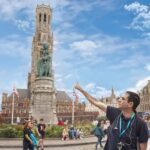
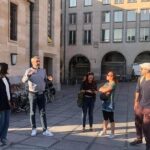
Your starting point is simple but specific. Meet your guide at the statue of Karel Huls, and look for the yellow sign that says Bruxelles 15:15/My Super Tour. From there, you’ll begin the walk in central Brussels at Rue du Marché aux Herbes.
This matters more than it sounds. Brussels has plenty of lookalike streets, and you don’t want to waste the first 20 minutes playing guessing games. Get there a bit early, take one quick look for the sign, and you’re set.
Rue du Marché aux Herbes to Saint-Hubert Royal Galleries: the city gets stylish fast
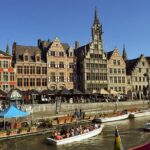
You start at Rue du Marché aux Herbes, then head into the Saint-Hubert Royal Galleries for about 30 minutes. This is the kind of place where you can walk right through and still feel like you missed something. The guide’s job is to help you read the space: art, architecture, and the local “why” behind the look.
The Royal Galleries are also a great place to set the tone for the whole tour. One minute you’re taking in the buildings. The next, the guide shifts you toward Belgian food and drink—so it feels like the city and the cuisine share the same story.
Toone (about 20 minutes): a stop that adds character
Next is Toone for around 20 minutes. Even if you’ve seen plenty of European streets before, this kind of short cultural stop is what makes the tour feel like Brussels instead of a standard tourist loop.
Here’s what I like about a stop like this: you don’t get stuck. You get a focused chunk of explanation, then you move on. That helps if you’re traveling with limited time but still want more than the obvious big sights.
Grand-Place for 40 minutes: the square that earns the hype
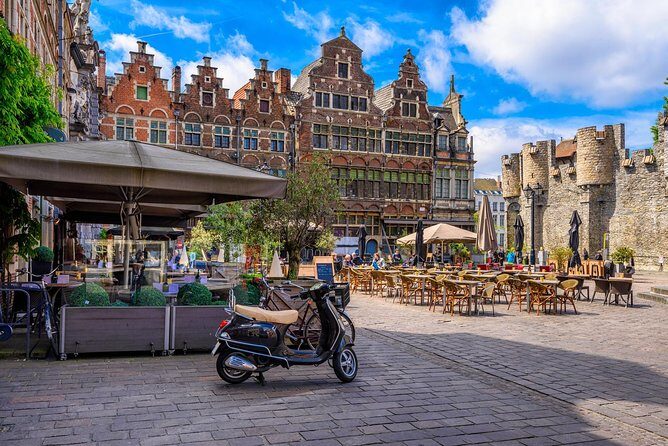
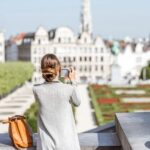
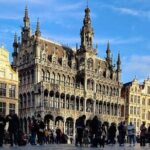
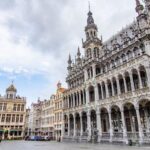
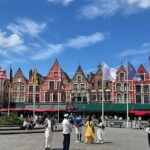
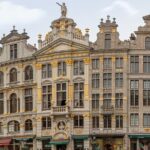
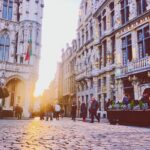
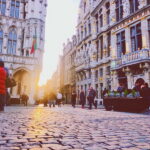
Then comes the headline: Grand-Place for about 40 minutes. This is one of Europe’s most beautiful squares, and you’ll be there long enough to do more than snap a picture and rush away.
What you’ll actually gain from the guide here is context. The square isn’t just a pretty backdrop. It’s tied to Brussels’ identity and history. When the guide points out details and connects them to the city’s story, the Grand-Place stops feeling like a postcard and starts feeling like a place with a past you can sense.
If you’re the kind of person who likes to know where you are and why it looks the way it does, you’ll enjoy this chunk.
Other walking tours we've reviewed in Brussels
Rue de la Fourche: 30 minutes of local snacks and the route that makes sense
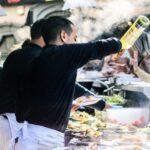
After Grand-Place, you head to Rue de la Fourche, where you’ll have local snacks for about 30 minutes. This is one of the practical moments of the tour. The guide isn’t just showing you sights; you’re getting fed along the way.
This stop also bridges the gap between the big monuments and the tasting. You’re not waiting until the end to start enjoying Belgian flavors.
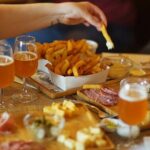
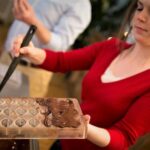
And yes—Belgian flavors are not subtle. Think chocolate, waffles, French fries, and beer themes. You’ll hear about these staples as the guide sets up the food-and-drink portion and the deeper dishes to look for later.
Place de la Bourse and Saint Nicholas Church: architecture with a quick pulse check
Next up is Place de la Bourse for around 30 minutes, followed by Saint Nicholas Church, Brussels for about 10 minutes.
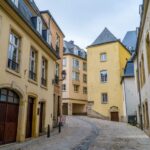
These stops work well because they change the mood without adding fatigue. One part you’re in the open city space at the Bourse area. Then you switch to church architecture for a shorter, concentrated look.
If you’ve ever felt overwhelmed by Brussels churches, this part is easier. It’s time-boxed. You’ll get enough to understand the kind of style you’re seeing and why it belongs in the city center.
Pl. des Barricades 4: the kind of corner you’d miss alone
You’ll also pause at Pl. des Barricades 4 for about 20 minutes. Stops like this are where a guide earns their pay. Without guidance, you might walk past and never realize it’s part of the city story.
This is also where the tour leans into the theme of surprises—Brussels has a lot more going on than just squares and big buildings.
Cathedral of St. Michael and St. Gudula: the Gothic finish that Victor Hugo noticed
You end at St Michael and St Gudula Cathedral in about 30 minutes. This isn’t a rushed send-off. It’s your chance to slow down and actually look.
The cathedral is considered by Victor Hugo to be the purest example of Gothic style. That’s a bold claim, and it gives you a lens for what to notice: how the shape feels, how the details draw your eye upward, and why this kind of architecture became a point of pride for the city.
Finishing here is smart for two reasons. First, it’s visually dramatic enough to leave you satisfied. Second, it closes the loop between Brussels as a food city and Brussels as a culture city. In a good way, your last taste of the tour is the city itself.
The tasting: what you eat and why the guide’s stories matter
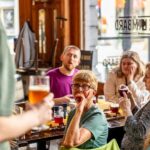
The tour includes one tasting of food and a drink plus a professional local guide. That sounds small, but it’s exactly the right amount for a walking itinerary like this. You’ll get enough to know what you like and enough to ask better questions when you’re on your own later.
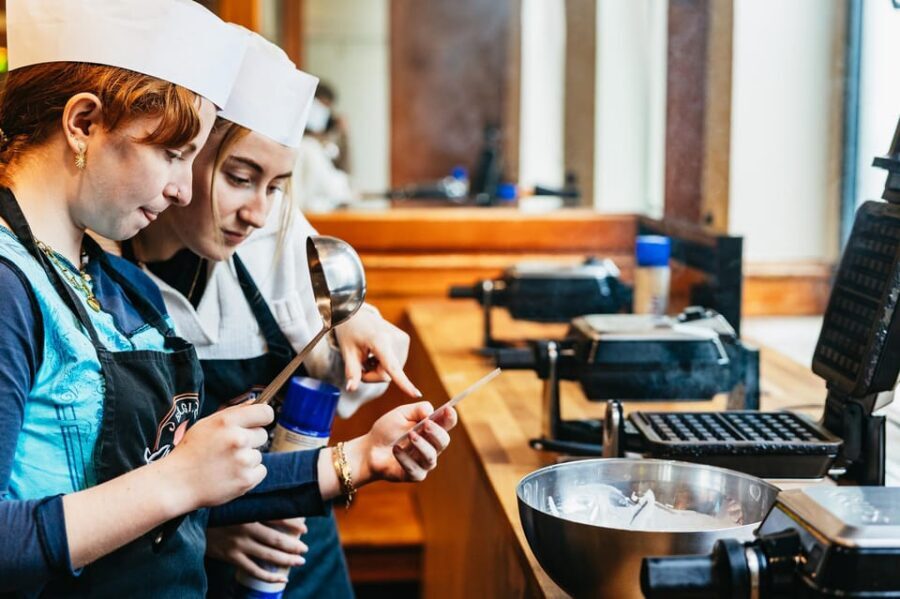
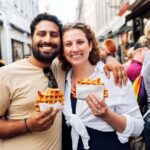
In at least one run, the waffle tasting was a highlight and tasted genuinely good. I like that because it keeps the experience grounded. It’s not just trivia. You’re eating something real, not just hearing big promises.
The guide also shares the secrets and history of traditional Belgian dishes and treats, including:
- moules frites
- cuberdon
- speculos
- pom cook
- waterzooi
- carbonnade de la Flamand
The point isn’t memorizing names. The point is understanding how Belgians think about comfort food and everyday celebration. When you later order these dishes, you’ll recognize what the guide has already taught you.
You’ll also hear about Belgian staples like chocolate, waffles, French fries, and beer—so even if you don’t taste all of them on the tour, you’ll leave with a clearer sense of what to prioritize.
Trappist beer and traditional drinks: why this part isn’t just for drinkers
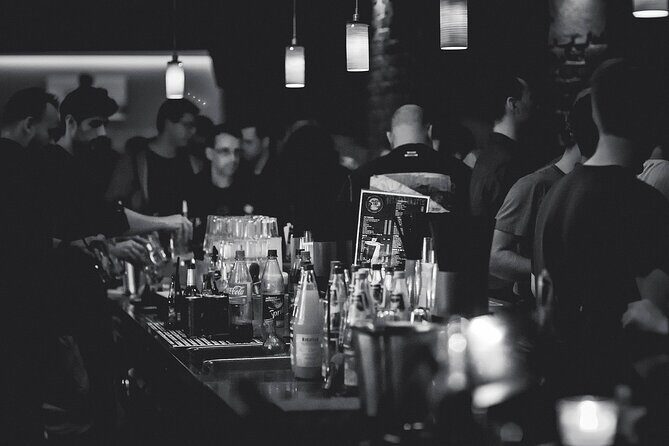
One of the best elements is the focus on traditional drinks and monastic beer, including Trappist-style beer. Even if you’re not a heavy drinker, this section is useful because it adds culture.
Beers don’t become iconic by accident. The guide explains how the tradition fits the broader Belgian lifestyle, and why the idea of monastic brewing still matters. It’s also a nice counterbalance to the sweet side of Belgian food. You’ll get a more complete picture of what Brussels locals reach for.
And since this is a guided walk, the drink stories don’t feel tacked on. They’re threaded through the city stops and the tasting, so you understand the connection instead of treating the beer like a random extra.
Mural art and the Belgian storytelling style
The tour also mentions mural art in the center of Brussels. That’s important because it signals something about the city: Brussels isn’t only museums and monuments. It’s also street expression and layered modern identity.
In practice, you’ll likely get small pauses and directional cues while walking. The guide helps you slow down enough to notice visual details you’d normally skip. If you like the feeling of discovering something you didn’t plan for, this part delivers.
Pace, comfort, and what to bring (so you can actually enjoy the walk)
This is an active 3-hour itinerary. Bring comfortable shoes. The tour also recommends an umbrella and water.
I’d treat those as non-negotiables. Central Brussels can be damp, and your feet will do all the work. If you try to “tour in” stiff shoes, you’ll end up paying for it later.
Also, keep a little flexibility in your schedule. A 3-hour walking tour runs smoothly when you don’t have to rush out the door at the exact minute.
Who should book this tour, and who should skip it
This is a strong fit if you want:
- a guided Brussels route that mixes food, drink, and landmarks
- an explanation-driven tour where the guide connects names of dishes to the city
- a tasting experience that helps you decide what to order next
You might skip it if:
- you need a wheelchair-accessible option (this tour is not suitable for wheelchair users)
- you dislike walking tours and prefer to sit most of the time
Price and value: how $82 adds up for what you get
Let’s talk money plainly. At $82 per person for 3 hours, you’re paying for:
- a professional local guide
- one organized tasting of food and a drink
- access to a guided route through multiple major sights in central Brussels
If you were to do this on your own, you’d still spend time navigating and choosing where to eat. You’d also miss the thread connecting Belgian dishes to the city’s story and culture—especially the monastic beer angle.
The tasting portion isn’t designed to replace a full meal. Instead, it’s designed to make your food choices smarter after the tour. For many people, that’s the real value.
Should you book it?
If you want a Brussels experience that mixes architecture with honest Belgian food and drink, this is an easy yes. The standout is the guide impact—people love the way the tour stays informative and fun, and a waffle tasting shows up as a real highlight when the group reaches the food part.
I’d book this if:
- you have about half a day and want to make it count
- you like guided walking tours more than museum-only days
- you want Belgian classics explained, not just sold
I’d think twice if you need step-free access or you hate being on your feet.
FAQ
How long is the walking tour with degustation?
The duration is 3 hours.
How much does the tour cost?
It costs $82 per person.
What’s included in the price?
You get one tasting of food and a drink, plus a professional local guide.
What can I expect to taste during the tour?
You’ll have one tasting of food and a drink. The tour also focuses on Belgian specialties such as chocolate, waffles, French fries, and beer, and your guide will share history and secrets of dishes like moules frites, cuberdon, speculos, pom cook, waterzooi, and carbonnade de la Flamand.
Where does the tour start?
Meet your guide at the statue of Karel Huls. Look for the guide with the yellow sign Bruxelles 15:15/My Super Tour.
What languages are offered?
The live tour guide offers English and Russian.
Is the tour wheelchair accessible?
No. It is not suitable for wheelchair users.
What should I bring?
Wear comfortable shoes, and bring an umbrella and water.
Can I cancel for a full refund?
Yes. Free cancellation is available up to 24 hours in advance for a full refund.
Can I reserve and pay later?
Yes. You can reserve now and pay later, keeping your travel plans flexible.