REVIEW · BRUSSELS
Napoleon Last Campaign (Waterloo, Ligny..) Day Tour from Brussels
Book on Viator →Operated by Cognosimo · Bookable on Viator
Napoleon’s final march is close to Brussels. This guided day tour strings together the story of Ligny and Quatre-Bras before finishing at the Waterloo sites where events clicked into place. You’re not just seeing fields—you’re being walked through the logic of Napoleon’s last campaign and how small failures had huge consequences.
I especially like the hotel pickup and the small group size (up to 7). That combination keeps the day organized and makes it easier to ask questions, not just listen for an hour and then move on.
One possible drawback: at $781.47 per person, you’ll want to make sure the guide experience and English level are solid. When guiding or local handling feels off, it’s harder to justify the premium price for a 6-hour day.
In This Review
- Key Highlights Before You Go
- Why This Napoleon Last Campaign Tour Feels Like More Than a Drive
- Price and Logistics: What You’re Actually Paying For
- Morning Pickup and the Small-Group Advantage (Up to 7)
- Stop One: Ligny and Napoleon’s Last Victory That Still Left a Door Open
- Stop Two: Quatre-Bras and Ney’s Role in Buying Wellington Time
- Waterloo Battlefield Walk: Plancenoit, Hougoumont, La-Haie-Sainte, and the Lion’s Mound
- Waterloo Break and Lunch Options Near the Restaurant Stop
- How Good Guiding Makes This Tour Worth the Premium
- Who This Tour Fits Best (and Who Might Prefer Another Plan)
- Should You Book the Napoleon Last Campaign Day Tour From Brussels?
- FAQ
- What is the duration of the Napoleon Last Campaign day tour?
- What time does the tour start?
- Do you get hotel pickup in Brussels?
- How many people are in the group?
- What stops are included in the itinerary?
- Is lunch included?
- Are entrance tickets included?
- Is the tour offered in English?
- What does the tour include?
- What happens if the weather is bad?
Key Highlights Before You Go
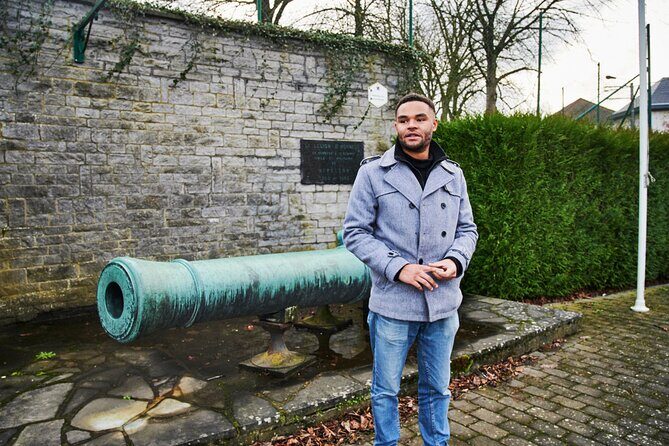
- Battle sequence, not random stops: Ligny → Quatre-Bras → Waterloo, with the links explained.
- Up to 7 people: more time at key points and fewer “everyone stay together” moments.
- Waterloo Battlefield admission included: you get access plus time at the main clash locations.
- Classic Waterloo viewpoints: Plancenoit, Hougoumont, La-Haie-Sainte, plus the Lion’s Mound view.
- Guide quality can swing the day: when a guide like Yves Leduc is leading, the trip can feel well-paced and flexible.
Why This Napoleon Last Campaign Tour Feels Like More Than a Drive
A Waterloo day can turn into a checklist: point, photo, move on. This one is structured like a story. You start at Ligny, where Napoleon is fighting the Prussians and gets what looks like a victory—then you learn why it’s incomplete and what that gap allows later. From there, you go to Quatre-Bras, where the fighting between French and British is messy in a different way, and a key delay gives Wellington room to reorganize.
By the time you reach Waterloo Battlefield, you’re not meeting the battle for the first time. You’re seeing how earlier choices shaped what soldiers faced later. That’s the real value of the itinerary: it helps you connect tactics, timing, and consequences across multiple sites instead of treating each stop like a separate attraction.
The day also stays tight—about 6 hours total—with private transport and a guide/driver doing the moving parts. That matters in Belgium, where you’ll spend less time wrangling transit and more time standing on the ground where the fighting happened.
Other Waterloo battlefield tours from Brussels
Price and Logistics: What You’re Actually Paying For

At $781.47 per person, this isn’t a budget excursion. So it’s worth asking what you’re buying. Here’s what the price covers based on what’s included: private transportation, a guide/driver, bottled water, and guided time at the main sites—plus Waterloo Battlefield admission included. Lunch is not included in the meal cost, but you do get a restaurant break with a reservation.
In practical terms, the price is for convenience plus guided interpretation. If you were doing this on your own, you’d still need transportation and you’d need to figure out how to connect Ligny, Quatre-Bras, and Waterloo in a way that tells the full story. Paying for a guide can be a good move here, because the battlefield names only become meaningful when someone links them to what happened next.
The one caution: the high price means you should care about the quality of the guiding and the clarity of explanations. There’s at least one red flag in the feedback spectrum about English and local handling. So before you go, consider whether you personally prefer a highly structured explanation style, and make sure you’re comfortable with the language of the tour.
Morning Pickup and the Small-Group Advantage (Up to 7)
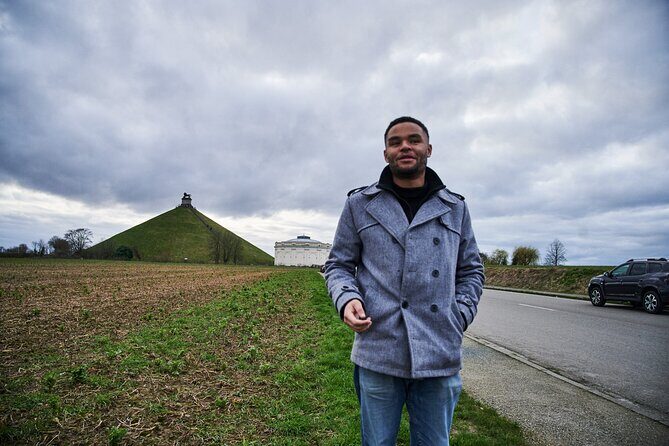
The tour starts at 10:00 am. Pickup is offered from your accommodation in Brussels and nearby areas, and you’ll want to be in the lobby about 5 minutes before departure. That sounds small, but it keeps the morning from turning into a scavenger hunt. You also get private transportation, so you’re not waiting on other groups shuttling around town.
The small group size—max 7 travelers—is the part you’ll feel during the stops. When there are fewer people, the guide can slow down when you’re ready, and you can ask a question without feeling like you’re hijacking the schedule. On a battlefield day, that’s not just comfort; it helps you make sense of terrain and timing.
English is offered, and service animals are allowed. The tour is also described as suitable for most travelers, which is useful if you want to experience these sites without needing specialized planning.
Finally, remember that the full day includes time to get back to your hotel. The itinerary is built to stay focused, not to stretch into an exhausting all-day slog.
Stop One: Ligny and Napoleon’s Last Victory That Still Left a Door Open
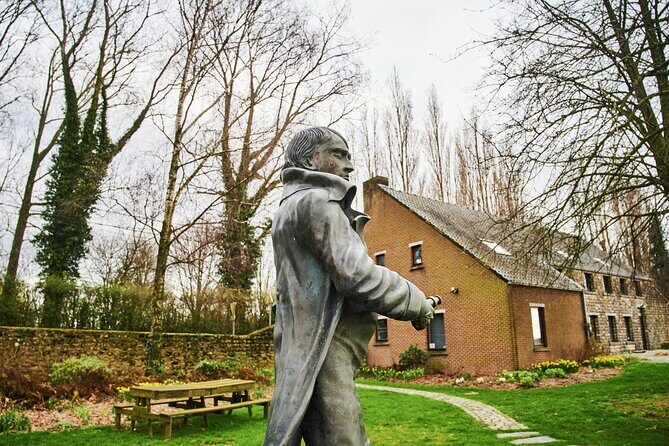
Ligny is where the story begins to get complicated. You travel from Brussels to Ligny, a place tied to Napoleon’s last victory against the Prussians. This stop is about tactics and the consequences of an incomplete result. Instead of treating the day as a simple win-loss label, your guide explains why Napoleon didn’t destroy the Prussian army.
That might sound like history trivia, but it’s the backbone of understanding Waterloo. If one side can regroup, reposition, or keep pressure on the timeline, later battles change shape. At Ligny, you’re essentially learning what didn’t get finished—and why that mattered.
The stop runs about 1 hour, and the admission is described as free for this part. For me, that’s a strong design choice: you get enough time to understand the key point of the location without spending the whole morning stuck in one place that you’ve already learned is only part of the chain.
The big practical takeaway: use this hour to grasp cause-and-effect. Ask yourself how you’d expect events to shift if the Prussians were neutralized—or if they weren’t.
Stop Two: Quatre-Bras and Ney’s Role in Buying Wellington Time
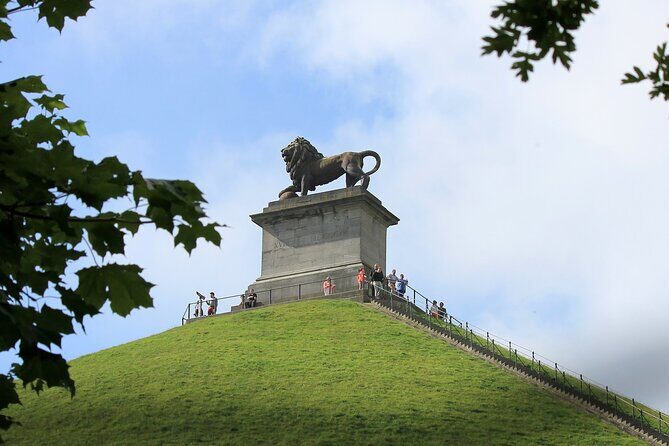
Next you continue to Quatre-Bras, where French and British forces clash. Here the focus shifts from Napoleon’s last win to how fighting elsewhere affects the battlefield you’ll see later at Waterloo.
A key theme at Quatre-Bras is the actions of Marshal Ney and how he did not fully defeat the British army on that day. That lack of a decisive outcome matters because it gives Wellington time to reorganize his troops. In other words, the day isn’t only about what happens where the battle is loud—it’s also about what time buys or steals from the commanders who are preparing for the next fight.
You’re there for about 1 hour, and admission is again described as free for this stop. That means you’re not paying extra just to stand in a key location. You’re paying for interpretation: the guide helps you understand how delay can be a tactical weapon even without a dramatic collapse.
If you’re the type who likes battles with clear turning points, Quatre-Bras is a good match. The turning point here is time—time for movement, time for assembly, time to adjust.





Waterloo Battlefield Walk: Plancenoit, Hougoumont, La-Haie-Sainte, and the Lion’s Mound
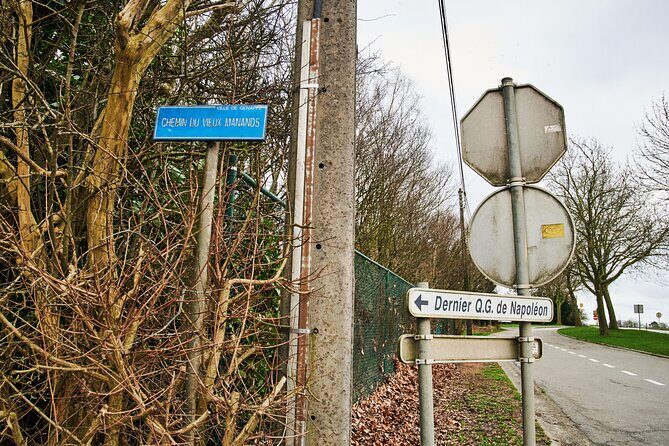
Then comes the main event: Waterloo Battlefield, with 2 hours 30 minutes on the ground and admission included. This is where the tour earns its name. You’ll learn how Napoleon was defeated by the combined British and Prussian forces—and you’ll see specific places tied to clashes that day.
The highlights include:
- Plancenoit
- Hougoumont
- La-Haie-Sainte
- the viewpoint from the Lion’s Mound
These names can sound like labels until someone walks you through what each area represents in the flow of the battle. The guide’s job here isn’t just to say what happened; it’s to connect how different parts of the fight interacted. That’s why you get more time at this stop than at Ligny and Quatre-Bras. Waterloo is the “full picture” portion of the story, not just a chapter.
The viewpoint from the Lion’s Mound is a must-do segment of the day. Even if you don’t love museums or lectures, the view helps you understand why commanders cared about position. From up there, it’s easier to imagine how troops would have moved and how lines could have shifted.
Your guide also explains the story of a Dutch prince who was wounded at the viewpoint. That kind of detail puts a human face on what could otherwise feel like an enormous military map.
One more practical note: Waterloo is a walking-and-standing day. Wear comfortable shoes you’ve already broken in. You’ll thank yourself halfway through the battle sites.
Waterloo Break and Lunch Options Near the Restaurant Stop
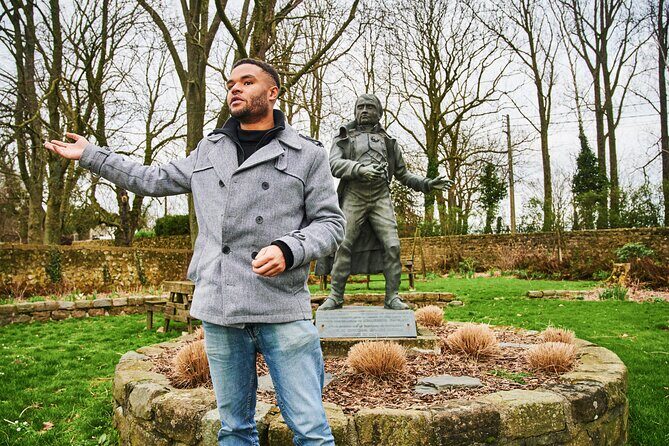
After the battlefield focus, you get about 1 hour for a break in Waterloo at a restaurant. A reservation is included, but the meal price is not. This is a good arrangement because it protects you from the usual chaos of hunger during a guided day.
What you can do with the hour is up to you. If you want something quick, you can keep it simple. If you want Belgian comfort food, ask your guide whether you should try famous Belgian French fries—it’s specifically suggested as a good option.
This stop works as mental reset. You’ll have spent the morning and early afternoon absorbing tactical explanations and battlefield names. Food and a seated break help you process what you just learned before you head back.
If you’re traveling with a group that hates pauses, it helps to know the break is fixed. Don’t plan your toughest shopping mission right after this window unless you’re ready to cut it short.
How Good Guiding Makes This Tour Worth the Premium
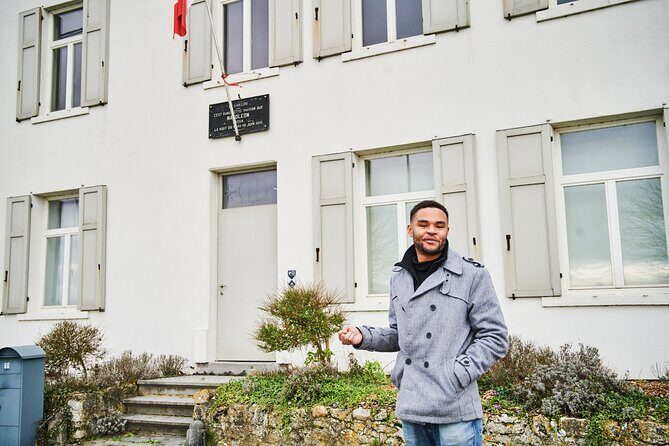
The itinerary is strong. The real differentiator is the guide. In the positive feedback, a guide named Yves Leduc is singled out for being a strong match for this format—clear explanations on-site and also during the drives between locations. He’s described as flexible too, even accommodating guests who chose to skip lunch to spend more time at the sites.
That kind of guiding quality matters because battlefield days are about momentum. If the guide can explain tactics in plain language and point you toward the important details as you walk, you end up feeling like you learned something substantial. If the guide struggles with English or with the local flow—like where to handle tickets or how to guide you from point to point—the day can feel overpriced and frustrating.
So here’s my practical advice: when you book, pay attention to the offered language (English) and how the tour is described for clarity. And if anything feels unclear on arrival—where you’ll go next, how much time you’ll have, what’s already included—ask early. With a private small group, quick clarification can save the whole day.
This tour is built for understanding. It can still be disappointing if the communication part falls flat. That’s the risk with a premium price.
Who This Tour Fits Best (and Who Might Prefer Another Plan)
This tour is a great fit if you want a guided, story-driven visit to Waterloo and the earlier linked battles at Ligny and Quatre-Bras. If you like military history but don’t want to spend hours building your own route, you’ll likely appreciate the structure.
It also suits people who value comfort and organization: hotel pickup, bottled water, private transportation, and a small group mean fewer moving parts.
On the other hand, if you already know the timeline well and you hate paying for narration, the price may feel steep for what is essentially a guided circuit of four stops with a set break. In that case, you might prefer a more independent plan where you control the pace and skip lunch entirely without trading it for a higher per-person cost.
Finally, if your French history interest is casual, consider whether the battlefield names and tactical explanations will be enjoyable for you. You’ll get much more out of it if you’re ready to connect the dots.
Should You Book the Napoleon Last Campaign Day Tour From Brussels?
Here’s the honest decision rule I’d use. Book it if you want the benefits of a tight itinerary—Ligny, Quatre-Bras, and Waterloo in one guided day—with private pickup and admission included for the main battlefield time. The small group size (max 7) is also a real quality lever.
Skip or reconsider if you’re mainly shopping for a cheaper sightseeing outing, or if you’re extremely sensitive to language and local know-how. At $781.47 per person, you can’t treat this like a casual add-on.
If you do book, show up with the right mindset: comfortable shoes, curiosity about how tactics become consequences, and a willingness to slow down and look carefully. This tour works best when you treat it like a connected narrative—not just three names on a map.
FAQ
What is the duration of the Napoleon Last Campaign day tour?
The tour is about 6 hours.
What time does the tour start?
It starts at 10:00 am.
Do you get hotel pickup in Brussels?
Yes. Pickup is offered from your hotel (including surrounding areas). You should wait in your accommodation lobby about 5 minutes before departure.
How many people are in the group?
The tour has a maximum of 7 travelers.
What stops are included in the itinerary?
You visit Ligny, Quatre-Bras, the Waterloo Battlefield, and then a restaurant break in Waterloo.
Is lunch included?
A 1-hour break with a restaurant reservation is included, but the price of the meal is not included.
Are entrance tickets included?
Admission is free for Ligny and Quatre-Bras. Admission for the Waterloo Battlefield is included. All fees and taxes are not included.
Is the tour offered in English?
Yes, the tour is offered in English.
What does the tour include?
It includes private transportation, bottled water, and a guide/driver.
What happens if the weather is bad?
This experience requires good weather. If it’s canceled due to poor weather, you’ll be offered a different date or a full refund. You can cancel up to 24 hours in advance for a full refund.