REVIEW · BRUSSELS
Brussels: Walking Tour from Central Station to Manneken Pis
Book on GetYourGuide →Operated by Guide-A-Ride · Bookable on GetYourGuide
Brussels can feel like two cities at once. This walking tour links modern icons, European power, and the medieval center without wasting your time. You’ll start at Brussels Central Station and move through the city’s biggest “why it matters” sights in about 150 minutes.
What I like most is the mix: you get the Atomium (Expo 58’s famous modern symbol) and then you land in the old heart of Brussels at the Grand Place. I also like that the guide keeps it practical—there are plenty of recommendations for chocolate, waffles, beer, restaurants, bars, and museums, so your walk turns into a full-day plan.
The only real consideration is the pace. At 150 minutes, it’s not a slow wander—think comfortable, city-step walking, with stops that work best if you want to see the highlights rather than linger for hours at each corner.
In This Review
- Key things to know before you go
- Starting at Brussels Central Station: easy to find, easy to orient
- Atomium and Expo 58 modernity: why this giant matters
- European Parliament area: seeing power from the sidewalk
- Palace of Justice lookouts: a civic building with attitude
- Jubilee Park and the Triumphal Arch: a quick perspective reset
- Grand Place: the square where you can actually spot details
- Manneken Pis: the 55-centimeter star with staying power
- The guide’s recommendations: turning a tour into an actual plan
- Price and value for a private group up to 20
- Who this walking tour suits best
- Should you book this tour?
- FAQ
- Where does the tour start?
- How long is the walking tour?
- How much does it cost?
- What’s included in the price?
- What languages are available for the guide?
- Can I cancel for a refund?
Key things to know before you go
- Private group up to 20 means you’re not packed in with strangers and you can ask questions as you walk
- Atomium + Expo 58 context helps you read the monument instead of just photographing it
- EU building views give you a street-level sense of what the Parliament, Commission, and Council look like from public space
- Grand Place focus on the Gothic Town Hall and gilded guild-house facades helps you notice details fast
- Manneken Pis in 55 centimeters turns the famous little statue into a real historical stop
- Guide-led art and history angle shows up in how the tour explains what you’re seeing
Starting at Brussels Central Station: easy to find, easy to orient
Meeting is at Brussels Central Station, Carrefour de l’Europe, right in front of the Hilton Hotel entrance. That’s a smart start if you’re arriving by train, because you don’t have to figure out local bus routes or dig through complex metro changes right away.
From the first minutes, a good walking guide helps you get your bearings. You’ll be walking a route that connects the “big showpiece” Brussels (Atomium, EU buildings, major civic architecture) with the medieval-style center people come for again and again.
And since the tour is private, the pace can feel more tailored to your group’s questions and interests. If you want more context, you have that option; if you’d rather keep moving, you can do that too.
Other Brussels highlights walking tours we've reviewed in Brussels
Atomium and Expo 58 modernity: why this giant matters
The Atomium is the kind of sight you recognize instantly in photos, but the tour is better because it gives you the story. It was built for the Universal Exhibition Expo 58, and the monument’s “future” look was a deliberate statement about modernity at the time.
Standing near it, you can connect the dots between postwar optimism and the Brussels that visitors often expect today: a capital that’s both historic and forward-looking. This is also a great warm-up stop. You get a dramatic landmark early, then the rest of the walk starts to feel more meaningful.
One practical note: since it’s a signature photo stop, you’ll want to plan for a bit of crowd rhythm. The tour is short enough that you’ll still get moving, but don’t expect a totally empty monument experience.
European Parliament area: seeing power from the sidewalk
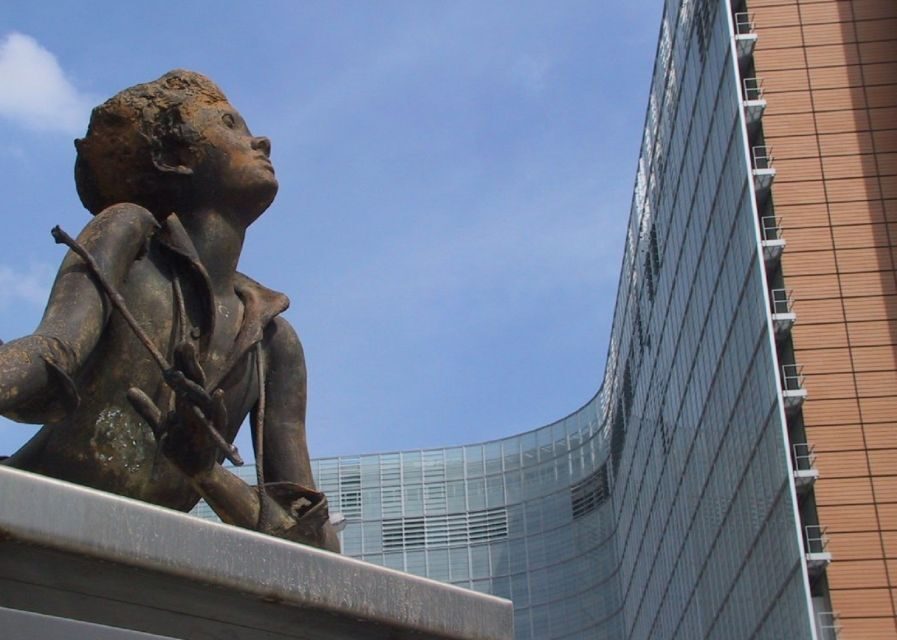
Brussels is the capital of Belgium and also closely tied to the European Union. This walking route uses that fact the right way: you’ll view the European Parliament–Commission and Council buildings as part of the sightseeing loop, not as an abstract lecture.
What you’ll get out of this stop is perspective. These buildings aren’t just “EU stuff to pass by”—the way they sit in the city helps you understand how Brussels blends governance, design, and daily street life. Even if you’re not a politics person, it helps you connect the dots on why the EU chose a city like this.
I like that the tour doesn’t require you to buy extra tickets just to appreciate the scale and setting. You’re learning how to look from public viewpoints, then continuing on to the older, more ornate architecture.
Palace of Justice lookouts: a civic building with attitude
Overlooking Brussels is the Palace of Justice, and it’s easy to see why it gets attention. This isn’t a museum-style stop where you just read plaques. It’s a “look at it and notice” kind of structure—proud, solid, and built to dominate the skyline.
On a walking tour like this, the value is the way context changes your eye. Once you know what the building represents in the civic world, you start noticing how it frames the city around it.
If you like architecture, this stop can be a highlight. If you don’t, it still works because it’s visually strong and adds variety to the route between modern landmarks and the ornamental center.
Jubilee Park and the Triumphal Arch: a quick perspective reset
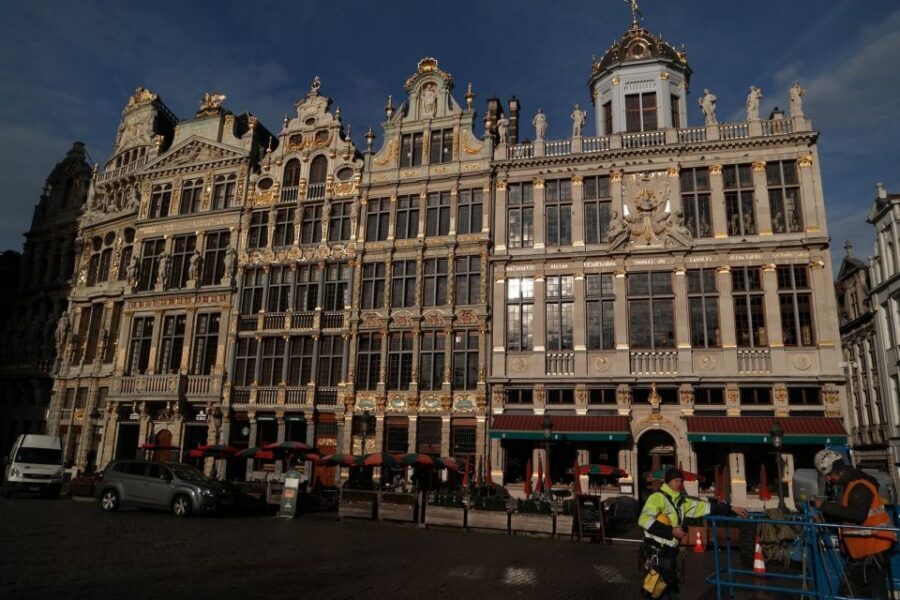
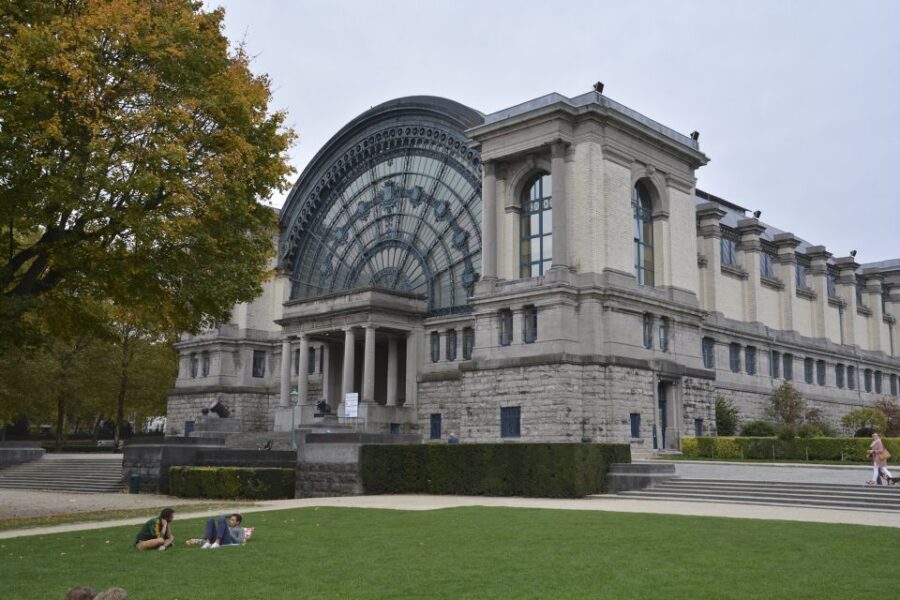
You’ll also get to Jubilee Park and the Triumphal Arch. This is the kind of stop that works as a reset: after modern structures and political architecture, the park area gives you a different angle on the city’s “grand” storytelling.
It’s useful because it changes how you measure distance and scale in Brussels. Even when your time is limited, a quick perspective stop helps the rest of your sightseeing click—especially once you reach the Grand Place.
If you tend to like stops with a bit of symbolism, you’ll probably enjoy this one.


Grand Place: the square where you can actually spot details
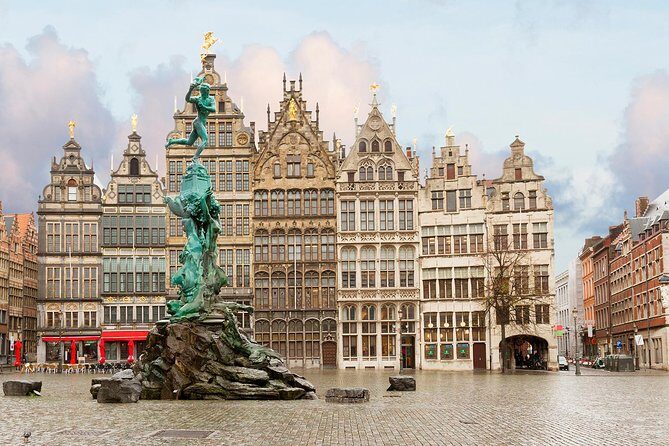
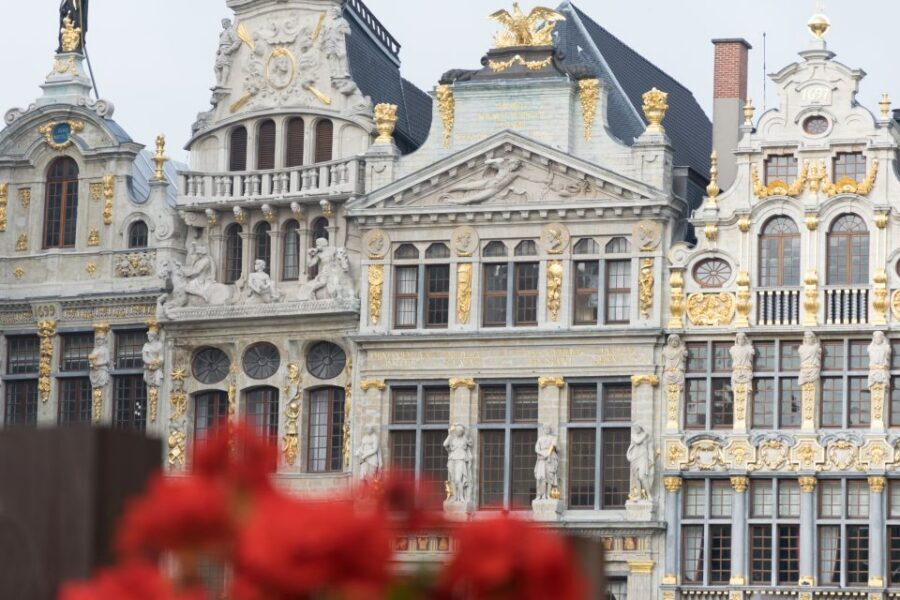
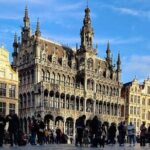
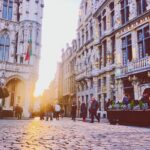
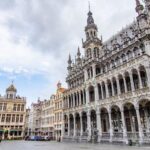
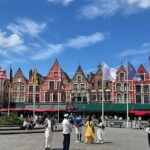
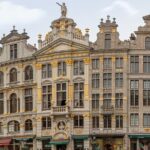
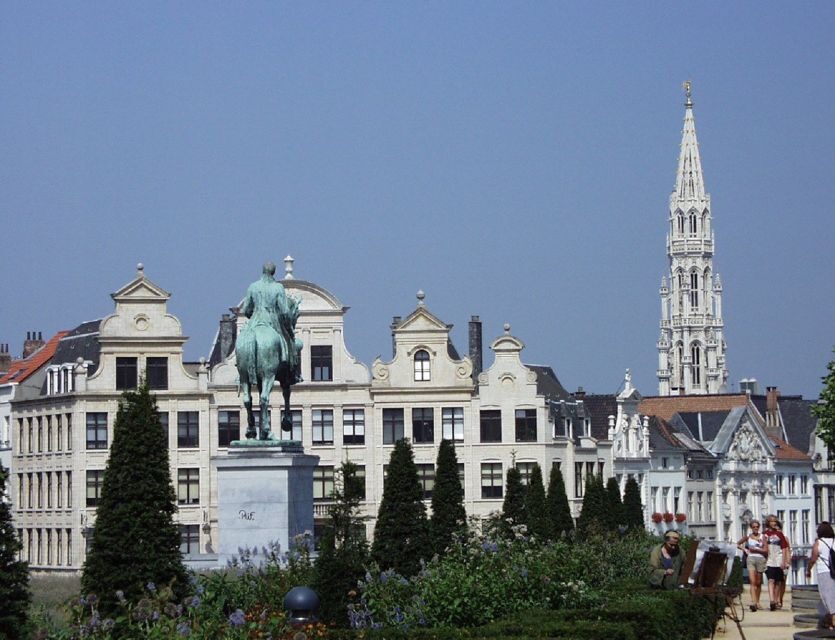
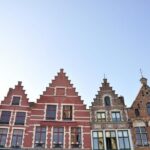
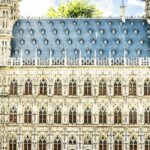
If you only do one “seriously worth it” stop in Brussels, make it the Grand Place. This is described as the most beautiful square in Belgium for a reason: you can see the layers of time here, especially with the Gothic Town Hall and the gold leaf decorated facades of the guild houses.
The tour approach helps because you don’t just arrive, look up, and move on. The guide helps you notice what matters quickly. You’ll get a better sense of how the buildings functioned in their era and why the square became such a key civic stage.
Here’s what to do while you’re there: slow down just enough to scan the facades as if you’re reading. The gold details aren’t random decoration—they’re part of how the city showed wealth, power, and trade identity.
Also, don’t underestimate the Grand Place as a photo location. It looks good from multiple angles, and the guide’s timing helps you catch the square in a calmer rhythm rather than sprinting through it.
Manneken Pis: the 55-centimeter star with staying power
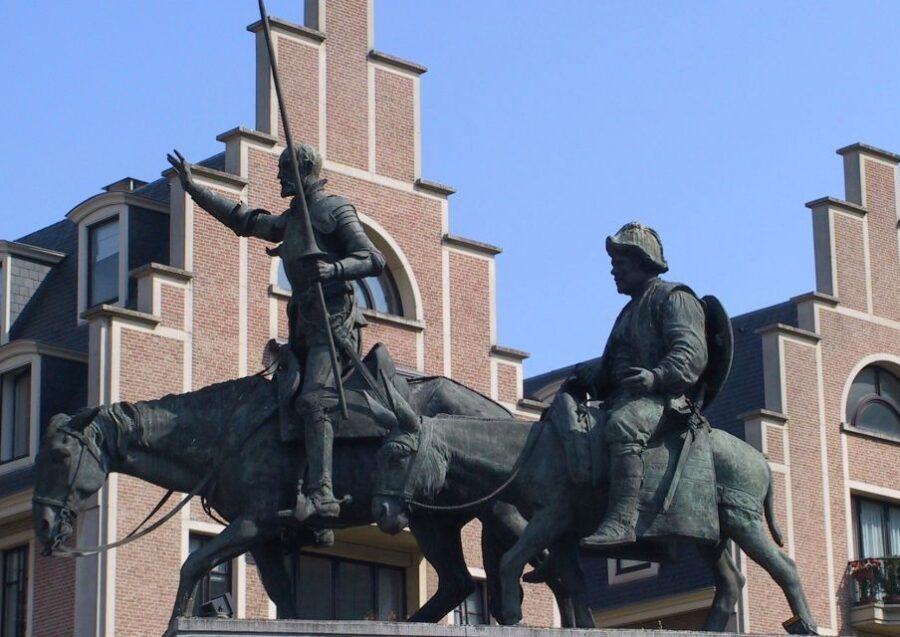
Then comes the stop everyone jokes about before they see it in person: Manneken Pis, famous and ridiculously small at only 55 centimeters. The tour treats it like a proper historical figure, not just a quick photo.
What I like about this part of the walk is the shift in attitude. It’s easy to assume the statue is just a punchline. With the guide’s framing, you get a sense of why it’s part of Brussels identity and why people treat it with a kind of playful respect.
It’s also a practical closing moment. After big architecture and wide civic views, Manneken Pis brings you back down to a human scale, which makes the final stretch feel satisfying.
If you’re into quirky history, this will be a top moment. If you’re not, it still lands because the statue is too iconic to ignore, and the tour makes it make sense.
The guide’s recommendations: turning a tour into an actual plan
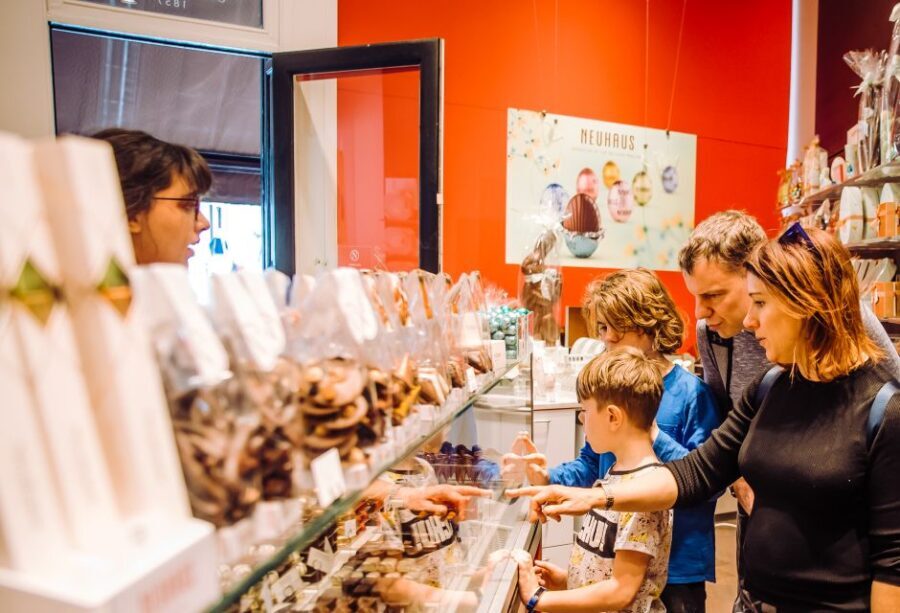
The tour includes “lots of recommendations” for chocolate, waffles, beer, restaurants, bars, and museums. That matters because Brussels can overwhelm you with choice. A good guide helps you avoid tourist traps and points you toward places that match what you actually want to do.
From the experience angle, one of the best signs is how the guide handles questions. In one booking, a guide named Roger met the group and delivered an engaging tour with an art focus. Another account praised a guide for taking time and answering questions in detail. That tells me this isn’t a rigid script read at speed.
So here’s how to use this well: come with two or three preferences (sweet vs. savory, beer style interests, whether you want museums). Then ask the guide for a short list. You’ll leave with a workable plan, not a pile of generic suggestions.
Price and value for a private group up to 20
The price is listed as $388 per group, for a private group up to 20 people, for a 150-minute walk. That’s not priced like a per-person mass tour, so value depends on how you split the group.
- If you have a smaller group, it can feel like a premium walking experience.
- If you’re traveling with friends or family and can fill more seats, the cost per person drops quickly.
Either way, you’re paying for a private guide plus a tight, curated route hitting major sights: Atomium, Manneken Pis, Grand Place, Palace of Justice, and the European Parliament buildings, plus recommendations for food and culture. For many people, that’s exactly what makes it worth considering—time efficiency and a guide who can answer questions.
Who this walking tour suits best
This is a great fit if you want a high-impact overview of Brussels in a little over two hours. You’ll see the Atomium and the Grand Place, plus EU-area architecture, and you’ll end with Manneken Pis—so the main “Brussels checklist” is handled in one go.
It’s also a strong choice for people who like the “why” behind landmarks. The art-and-history tone mentioned in at least one booking suggests the guide explains more than just where things are.
If you’re someone who hates rushing, you can still enjoy this, but set your expectation. This is a highlights route, not an all-day deep linger.
Should you book this tour?
Yes—if you want a private, guide-led walk that connects Brussels modern identity and old-city charm without making you plan a complicated route. The combination of major landmarks (Atomium, EU buildings, Grand Place, Palace of Justice, Manneken Pis) and the guide’s practical recommendations is the core value.
Skip it only if you’re traveling with a style that requires long stops at every photo spot. With 150 minutes, you’ll be moving, and you’ll get the most from this tour if you like structured highlights with time left to explore on your own afterward.
FAQ
Where does the tour start?
The meeting point is Brussels Central Station, Carrefour de l’Europe, in front of the Hilton Hotel Entrance.
How long is the walking tour?
The tour lasts 150 minutes.
How much does it cost?
The price is $388 per group, for a private group of up to 20 people.
What’s included in the price?
Included are a guided tour and recommendations for chocolate, waffles, beer, restaurants, bars, and museums. Entrance fees are not included.
What languages are available for the guide?
The live guide offers Dutch, English, French, and German.
Can I cancel for a refund?
Yes. Free cancellation is available up to 24 hours in advance for a full refund.