REVIEW · BRUSSELS
Brussels Must-See Attractions Walking Tour
Book on GetYourGuide →Operated by Guydeez Tours · Bookable on GetYourGuide
Small statues, big stories. This 2-hour Brussels walk lines up the Grand Place sights with the Manneken Pis story so you understand what you’re looking at, not just where to stand. I like that the guide turns major landmarks into short, memorable scenes (St. Nicholas Church to the Royal Galleries), and I love the quirky payoff at Royal Theatre Toone, including the resident cat.
The only catch: the route is fast. With just two hours, you’ll get smart orientation and great photo moments, but you won’t have time to linger for long on every stop.
In This Review
- Key highlights at a glance
- A 2-hour Brussels route that actually helps you understand the city
- Starting at Bd Anspach 188 in front of the Vibes shop
- St. Nicholas Church to Maison Dandoy: learning how Brussels “reads”
- St. Nicholas Church: the opening mood
- Maison Dandoy at the Grand Place area
- Grand Place and the medieval tavern angle
- Manneken Pis and Jeanneke Pis: the comedy you should understand
- Manneken Pis: why it gets under your skin
- Jeanneke Pis: a second look at the theme
- Jacques Brel Statue (L’envol): a pop-culture stop that feels local
- Les Galeries Royales Saint-Hubert and Royal Theatre Toone
- Les Galeries Royales Saint-Hubert: a stylish pause
- Royal Theatre Toone: the interior and the resident cat
- Value, group vs private tour, and who this is best for
- Group or private options
- Languages and accessibility
- Who should book
- Tips to get the most out of the walk (without burning out)
- Should you book this Brussels Must-See Attractions Walking Tour?
- FAQ
- How long is the Brussels Must-See Attractions Walking Tour?
- Where does the tour start?
- What attractions are included?
- Is it offered as a group tour or a private tour?
- What languages are available?
- Can I cancel, and do I have to pay right away?
Key highlights at a glance
- Bd Anspach 188 meet-up right by the Vibes shop, so you start the tour in a practical, walkable part of town
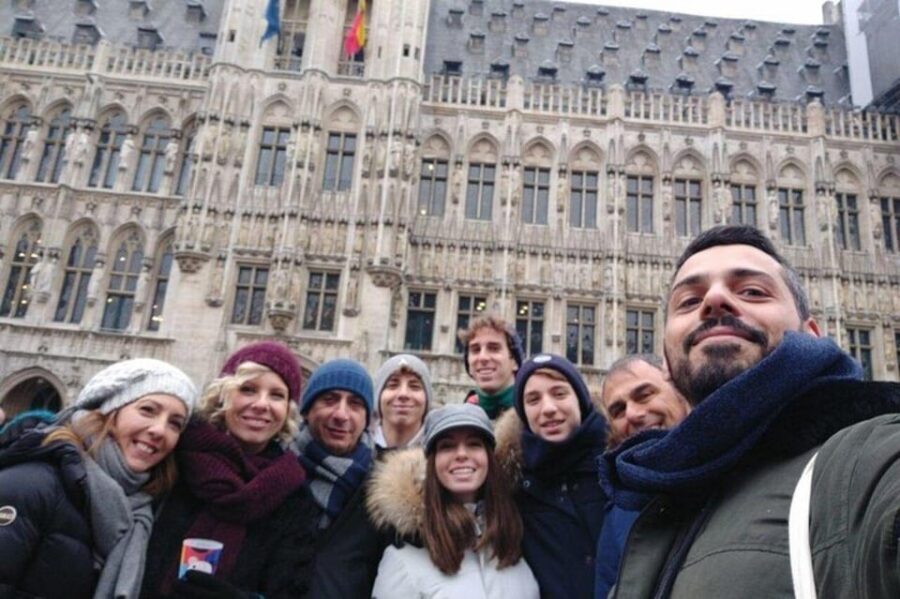
- St. Nicholas Church and the Grand Place explained in a way that helps you “read” the architecture quickly
- Manneken Pis: why it’s infamous, why it’s loved, and what to notice when you finally see it
- Jacques Brel Statue (L’envol) for a side of Brussels beyond medieval squares
- Les Galeries Royales Saint-Hubert as a stylish pause between the bigger photo stops
- Royal Theatre Toone interior + resident cat, which makes the ending feel special instead of rushed
A 2-hour Brussels route that actually helps you understand the city
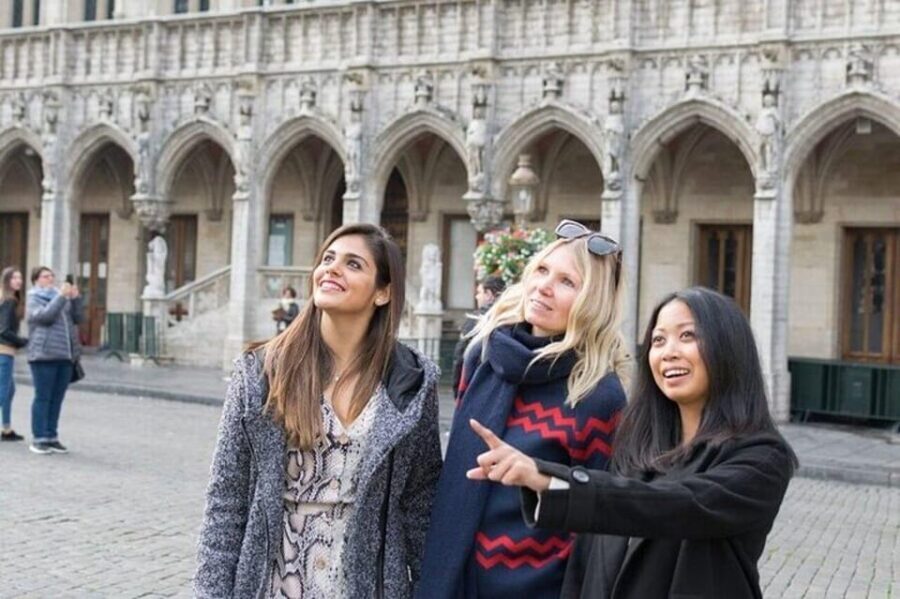
Brussels can feel like it’s stacked in layers. You’ve got grand squares, church facades, and then these sudden left turns into comedy and pop culture. This walking tour works because it keeps the pacing tight and the stories focused. You move on foot, you stop often, and you get context at each place instead of the usual sightseeing autopilot.
I also like how the route balances famous targets with smaller, character-filled stops. Yes, you’ll see the headlines—St. Nicholas Church, the Grand Place, Manneken Pis. But you also get a “why Brussels is Brussels” vibe through the statues and the theatre. In a compact time window, that’s exactly what you want when you’re visiting for a day (or even part of a day).
Other Brussels highlights walking tours we've reviewed in Brussels
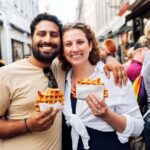
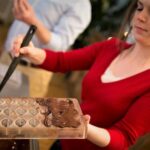
Starting at Bd Anspach 188 in front of the Vibes shop
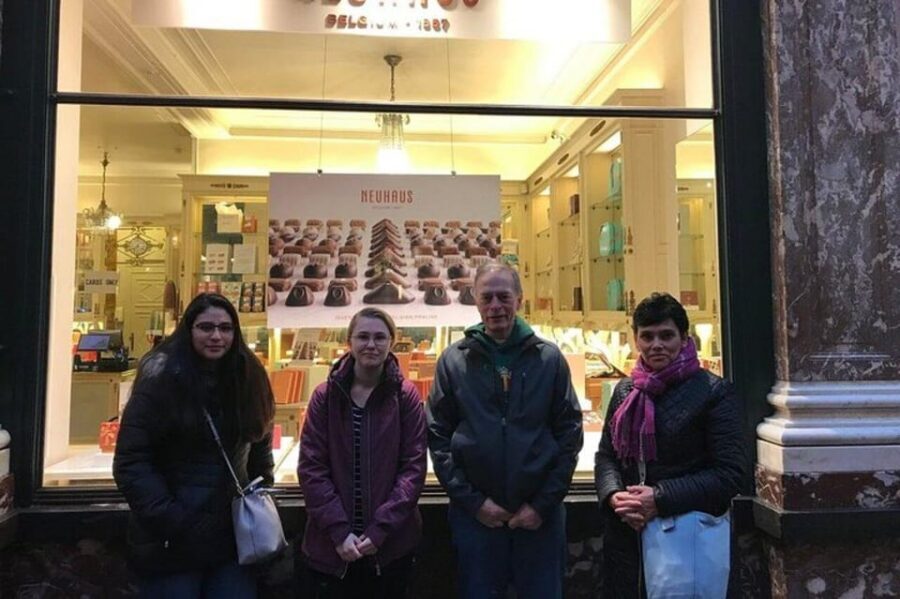
Your tour kicks off at Bd Anspach 188, in front of the Vibes shop. That matters more than it sounds. When you start near a central pedestrian-friendly area, you waste less time figuring out where to be next. You’re not doing a slow crawl through random streets just to reach the first real sight.
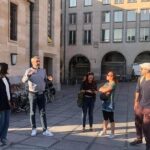
From there, you’ll walk the city’s classic core. The duration is about 2 hours, so expect a steady, comfortable pace with frequent stops for explanations and photos. If you’re the type who likes to ask questions, this format tends to work well because the guide can point out details at each landmark without the tour turning into a long lecture.
The tour also supports multiple languages: French, English, Spanish, and Italian. So if your preferred language matters for clarity, you can plan around that.
St. Nicholas Church to Maison Dandoy: learning how Brussels “reads”
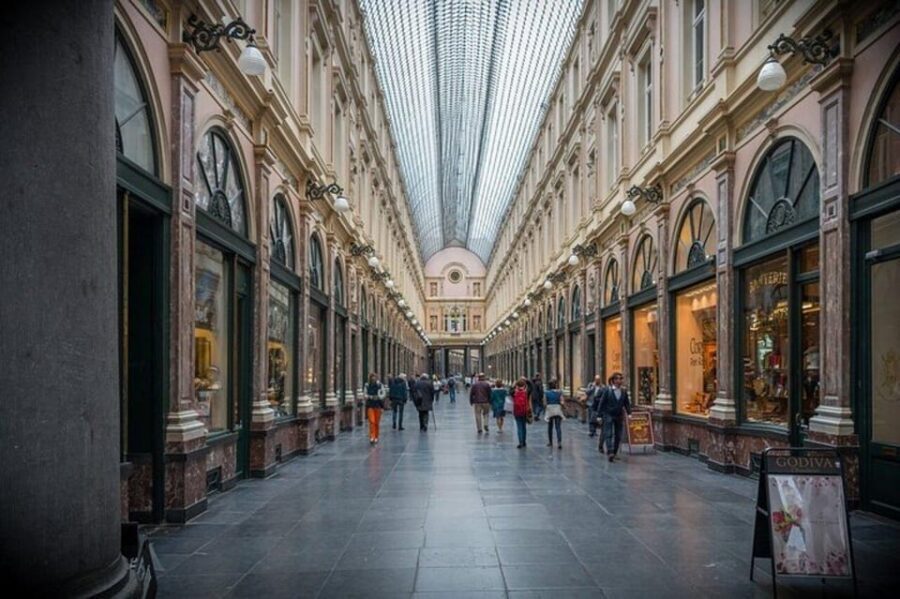
The early portion is built around three stops that help you set the tone for the whole city: St. Nicholas Church, Maison Dandoy, and the Grand Place.
St. Nicholas Church: the opening mood
You’ll start with St. Nicholas Church for a guided look. Churches in Brussels often act like anchors—visually and historically. Even if you don’t go inside (the tour is described as guided at the site), you’ll still learn what to pay attention to while you’re standing there: how the building fits the area, and what the landmark signals about local identity.
If you usually find churches “pretty but forgettable,” this first stop is useful. It’s an early chance to get your bearings and train your eye for details you’ll see again later around the city center.
Maison Dandoy at the Grand Place area
Next comes Maison Dandoy – Grand Place. This stop is a smart bridge between big-picture history and local character. Places like this tend to be part of daily life around the square, not just monuments you pass. A guided stop here helps you notice how commerce and tradition sit next to grand architecture in Brussels.
One reason I like including a place like Maison Dandoy on a must-see tour: it stops the walking tour from becoming a string of statues. It feels more like a city walk, and less like a checklist.
Other walking tours we've reviewed in Brussels

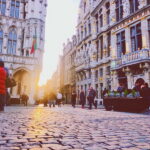
Grand Place and the medieval tavern angle
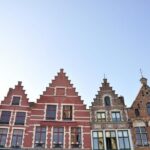
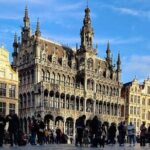
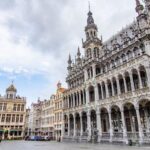
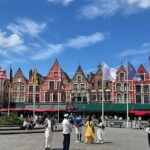
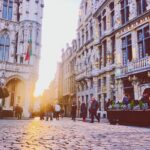
Then you reach Grand Place. This is the core photo location, but the tour doesn’t treat it like a postcard. You’ll also learn about the Grand Place Middle Aged Tavern element during this section. Even without extra time, that detail helps you understand what the square represents beyond its appearance.
Grand Place is the kind of place where the longer you stay, the more you notice. But on a two-hour tour, you need a guide to point out what matters first. That’s what you get here.
Manneken Pis and Jeanneke Pis: the comedy you should understand
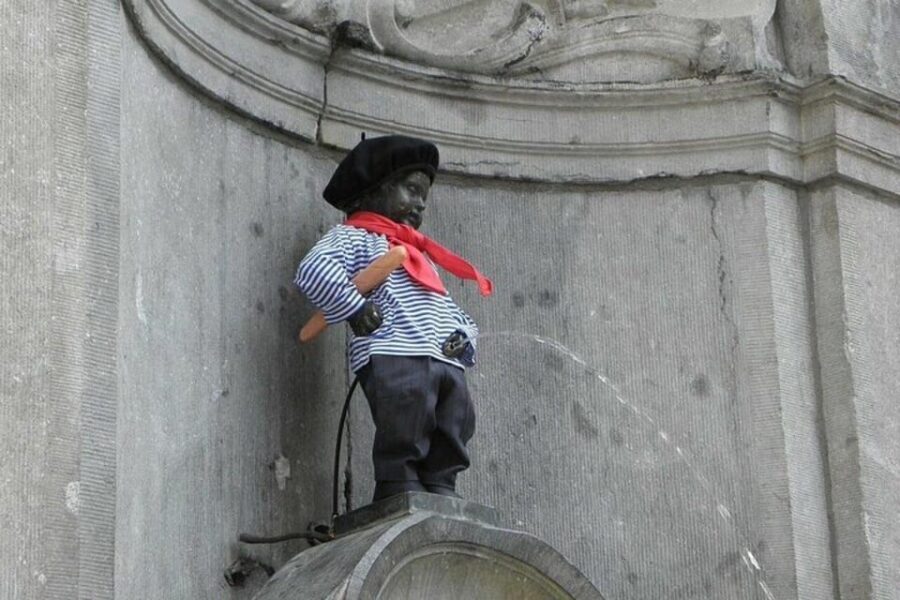
After the classic square and church start, the tour shifts into Brussels humor with Manneken Pis. This is one of the most recognizable stops in Belgium, and the tour’s promise is specific: you’ll find out what makes the statue so infamous, but loved.
Manneken Pis: why it gets under your skin
The key is explanation, not just viewing. When you hear the story behind why people react to it the way they do, it stops being random silliness and starts feeling like social behavior. You’ll also learn what makes the statue famous enough that tourists chase it, and locals treat it as part of the city’s identity.
This is a stop that can go either way on a short tour. Without context, you’d see a small figure and move on. With context, you’ll leave with a story you can repeat to friends.
Jeanneke Pis: a second look at the theme
The walk then includes Jeanneke Pis. This keeps the “humor and public identity” theme going. If Manneken Pis sets the headline, Jeanneke Pis gives you the continuation—an extra angle on the same city joke. It’s also a good moment to reset your pace after the big square photography.
Practical tip: build your photos into the time the guide is talking. If you wait until the end of the stop to get pictures, you’ll feel rushed and you’ll miss the story part. This tour is designed so both happen together.
Jacques Brel Statue (L’envol): a pop-culture stop that feels local
Next up is L’envol – Statue de Jacques Brel. Including a statue tied to Jacques Brel does something important: it shows that Brussels isn’t only about medieval stone and grand civic squares. It also has a modern identity, shaped by artists and the people who keep their memory alive in public spaces.
This stop also breaks up the visual pattern. After churches and squares, you get a different kind of landmark—one that invites you to slow down just enough to understand the meaning. That’s the kind of detail that makes a short tour feel like more than a route.
If you care about the arts side of travel, this will be a highlight. If you don’t, it still works because the guide connects it back to Brussels and helps you notice why the statue matters.
Les Galeries Royales Saint-Hubert and Royal Theatre Toone
Two of the best parts of this tour are placed near the end: Les Galeries Royales Saint-Hubert and Royal Theatre Toone. They give you an ending with atmosphere rather than just another photo stop.
Les Galeries Royales Saint-Hubert: a stylish pause
The tour includes a guided visit to Les Galeries Royales Saint-Hubert. Think of this as a breathing space. You’re moving from open-air landmarks into an area that feels more sheltered and intimate. It’s a good moment to look up, notice materials and details, and let the city center shift from “square mode” to “passage mode.”
Even if you’re not a shopping person, this section can still be fun because it’s about the experience of being in the space. The guide’s explanations help you notice what you’d likely skip if you walked through on your own.
Royal Theatre Toone: the interior and the resident cat
Finally, the tour concludes at the Royal Theatre Toone, Brussels. You have the opportunity to explore the interior of the old theatre and you can see the resident cat before the tour ends back in the heart of Brussels near Grand Place.
This is a great close for a walking tour because it turns the final stop into a memory. Most city walks end at another monument. Here, you end at a living piece of theatre life. The resident cat alone gives it personality, and the theatre interior adds that rare feeling of stepping into something that’s been around for a long time.
If you’re traveling with kids, this kind of ending usually goes over well—because it’s not just a place to look at. It’s a place to experience.
Value, group vs private tour, and who this is best for
At $32 per person for 2 hours, this tour is priced like a straightforward sightseeing walk, but it offers more than that because of the guide-led context at nearly every stop. You’re not paying extra for “just walking and pointing.” You’re paying for a structured way to learn how Brussels pieces connect.
Group or private options
You can choose a group or private tour option. If you want maximum flexibility, private is often the better fit for people who like a slower pace or more questions. For a private option, the tour info also notes public transportation costs are included—useful if your plan includes an easy transit connection rather than arriving on foot.
Group tours can be great too, especially if you’re social or you like hearing other people’s questions. The walking route is short enough that the group format usually doesn’t feel like a long chain of forced stops.
Languages and accessibility
With live guidance available in French, English, Spanish, and Italian, it’s easier to make sure you understand what you’re seeing. The tour is also wheelchair accessible, which is a big advantage for travelers who want a guided city center experience without worrying about steps and steep routes.
Who should book
This tour is a strong match if you want:
- the main Brussels landmarks covered in a short window
- a guide to explain why the famous stops matter (especially Manneken Pis)
- a fun ending with theatre atmosphere instead of another plaza photo
If you’re the type who wants hours inside museums or deep historical research, this may feel too brief. But for orientation plus memorable stories, it’s a solid use of time.
Tips to get the most out of the walk (without burning out)
Here’s how to make the two hours feel full, not rushed:
- Wear comfortable shoes. You’re moving through central Brussels with several guided stops packed into a tight timeline.
- Use the guided time for your questions. If there’s something you’re curious about at Manneken Pis or the Jacques Brel statue, ask while you’re standing there.
- Bring a camera, but don’t let photos steal the story. The tour is designed so you understand the place as you look at it.
- Pace yourself on the Grand Place section. It’s the kind of stop where you naturally want more time, so follow the guide’s timing to stay on schedule.
Also, you’ll likely pick up practical advice on other things to do in the city during the walk. That’s one of the best benefits of a local guide: you can leave with next-step ideas, not just photos.
Should you book this Brussels Must-See Attractions Walking Tour?
If you’re spending limited time in Brussels, I’d book it. For $32 and a 2-hour schedule, you get a tight route that hits the big names (St. Nicholas Church, Grand Place, Manneken Pis) and adds memorable oddballs (Jacques Brel’s statue and Royal Theatre Toone with its resident cat). The guide-led context is the difference-maker.
I’d skip it only if you know you want long, slow museum-style visits or if you hate walking schedules. Otherwise, this is an efficient, story-forward way to see central Brussels and understand why people talk about these places.
FAQ
How long is the Brussels Must-See Attractions Walking Tour?
The tour lasts about 2 hours.
Where does the tour start?
It starts at Bd Anspach 188, in front of the Vibes shop.
What attractions are included?
You’ll visit St. Nicholas Church, Maison Dandoy – Grand Place, Grand Place (including the Grand Place Middle Aged Tavern), Manneken Pis, L’envol – Statue de Jacques Brel, Les Galeries Royales Saint-Hubert, Jeanneke Pis, and Royal Theatre Toone.
Is it offered as a group tour or a private tour?
Yes. You can choose a group option or a private tour option.
What languages are available?
The live guide is available in French, English, Spanish, and Italian.
Can I cancel, and do I have to pay right away?
You can cancel up to 24 hours in advance for a full refund, and you can use reserve now & pay later to keep plans flexible.