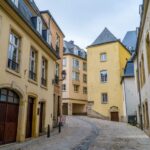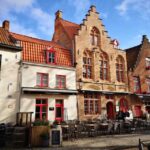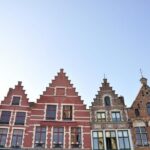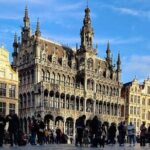
Brussels makes more sense with a guide. What I liked most was how the route balances major landmarks with quieter streets, and how stops like St. Nicholas’ Church and Grand-Place come with story-focused explanations instead of quick photo stops. One thing to keep in mind: the experience quality depends heavily on your specific guide, so if you’re paying for private, make sure you share what you want to focus on (history, photo time, or lesser-known areas).
You’ll meet your guide near Pizzeria Del Corso on Bd Anspach 93, then walk through central Brussels for about 3 hours. You can choose a shared group or go private and customize the route, and the tour runs with live guidance in English, Spanish, Italian, or French. Bring comfortable shoes, because you’re covering real walking distance—less if you pick the pacing that fits your group.
In This Review
- Key highlights worth your time
- Meeting at Pizzeria Del Corso: the easiest start you can hope for
- Price and value: what $35 buys in real guide time
- Saint Nicholas’ Church: a strong start with stories, not just sightlines
- The Royal Palace stop: where formal architecture meets practical direction
- Grand-Place: the moment the city feels real
- Brussels beyond the monuments: lesser-known streets and a local-friendly snack stop
- Bois de la Cambre and the Sonian Forest: trading streets for green air
- Shared group vs private: choosing the right version of your day
- If you’re on the shared group option
- If you’re going private
- What to wear and what to do before you go
- Who this tour is best for (and who should skip it)
- Should you book this Brussels walking tour?
- FAQ
- How long is the Brussels Highlights and Hidden Gems Walking Tour?
- Where is the meeting point?
- What is included in the price?
- Is food or drink included?
- What languages are available for the live guide?
- Can I book a private tour and customize it?
Key highlights worth your time
- Big sights, told by a local: St. Nicholas’ Church, the Royal Palace area, and Grand-Place
- Less predictable streets: time is spent on lesser-known spots, not only the obvious loop
- Two styles of touring: shared group for value, private for focus and flexibility
- A favorite snack or drink stop: your guide may suggest an eatery, but food and drinks are on you
- Green space options: Bois de la Cambre and the Sonian Forest are part of the walk
Meeting at Pizzeria Del Corso: the easiest start you can hope for
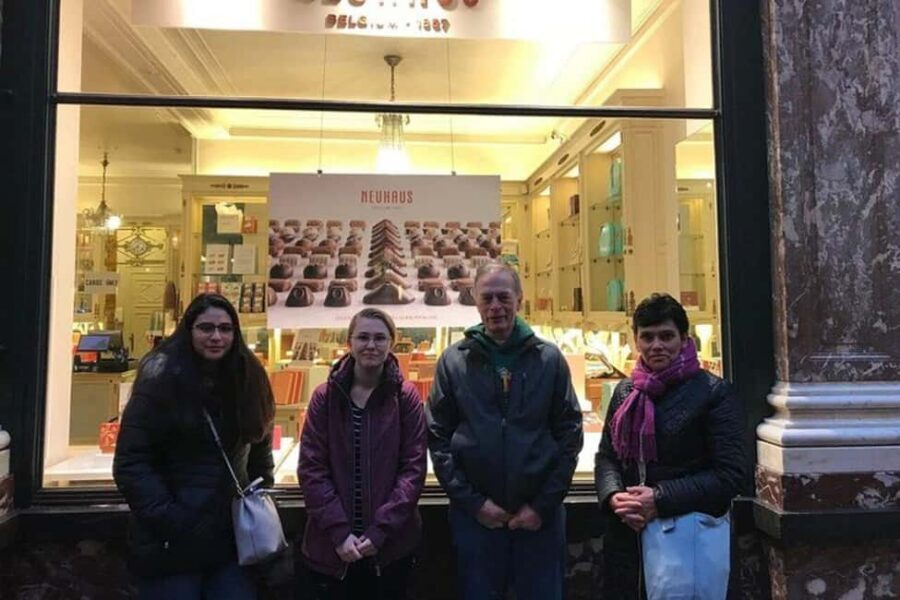
This tour starts in central Brussels, and I like the way the meeting point is handled: you meet your guide near Pizzeria Del Corso at Bd Anspach 93. That’s helpful because you’re not hunting for a random landmark on a side street. You can show up, get oriented quickly, and get walking.
Also, the tour is designed around a real timeline. It’s 3 hours, which is a sweet spot if you’re on a tight schedule. It’s long enough to see several major sights and still leave time for the “other” parts of Brussels—those streets you’d likely miss if you only follow the usual tourist route.
One practical note: the tour is offered in English, Spanish, Italian, and French. If you’re traveling with someone who needs a specific language, it’s worth checking that the time you want matches your preferred language. The guide you get can shape how lively and how detailed the walk feels.
Other Brussels highlights walking tours we've reviewed in Brussels
Price and value: what $35 buys in real guide time
At $35 per person for a guided walking tour, you’re paying for three main things: a human guide, a structured route, and context you won’t get from standing at a single building and reading a sign.
You’re also not locked into one fixed experience. You can do the shared group option for a classic “see the highlights” walk, or you can choose the private option if you want to tailor what you care about. Private doesn’t just mean fewer people—it means your guide can steer the route toward your interests, at least within the tour’s framework.
The tour includes the guided walk and the guide. It does not include food or drinks. That matters because some of the best parts of a walking tour can come from a quick pause—just remember the snack or drink is optional and you’ll pay separately.
If you’re deciding whether this is worth it, I’d frame it like this: if you want Brussels explained while you walk, and you’d rather not organize yourself across multiple stops, then $35 feels reasonable for the time you get. If you’re the type who likes to wander with zero structure, you might not fully use the guide.
Saint Nicholas’ Church: a strong start with stories, not just sightlines
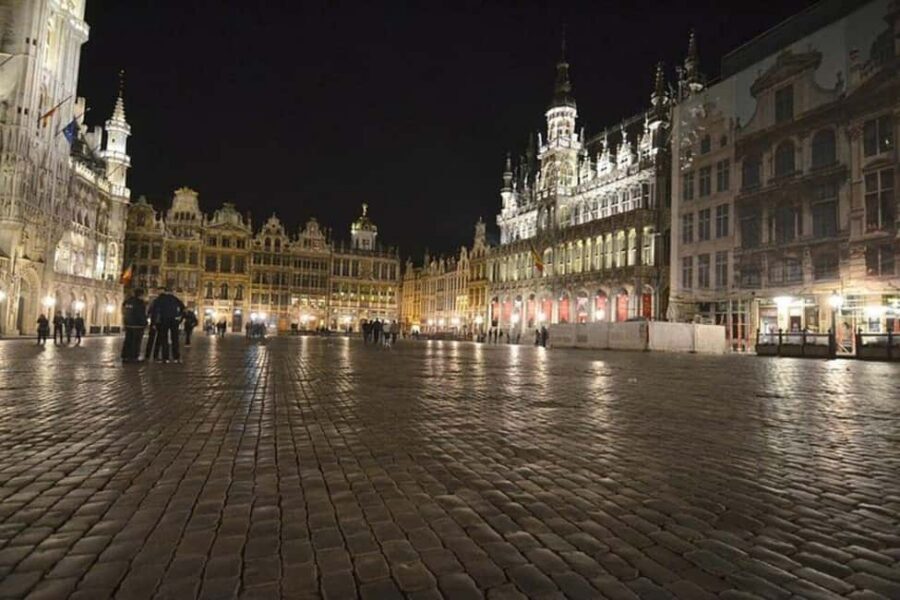
The first landmark stop is St. Nicholas’ Church, Brussels. I like starting with a building that has real presence because it gives the guide an easy entry point into the city’s story.
What you’ll get here is not only a chance to see the church, but also guided commentary—learning the history behind the place and how it fits into Brussels’ broader story. That kind of framing is what makes the rest of the walk click. Without that context, you often walk past the same scenes you’ve seen in pictures. With it, you understand why people care.
What’s the possible drawback? You should be prepared that church-area stops can involve slow moments—group gathering, listening time, and photo time. This isn’t a fast “walk-by” tour. If you need quick movement every minute, you might want to choose the private option so your guide can better match your pace.
The Royal Palace stop: where formal architecture meets practical direction
Next up is the Royal Palace, Brussels. Even if you’re not the type who reads royal facts for fun, a guided stop like this helps you notice what you’d otherwise overlook—small details, street angles, and the way the area shapes how people move around it.
You’ll learn the fascinating history of the location through your guide’s explanations. I also appreciate that the tour doesn’t only give you a viewpoint; it builds a narrative that connects landmarks so you don’t feel like you’re jumping between unrelated “must-sees.”
Because the tour is walking-based, there’s another practical benefit: your guide can help you plan where to stand for photos and how to keep the group together. That’s one of those invisible services that makes the tour feel easier than doing everything solo.
Grand-Place: the moment the city feels real
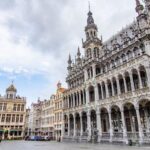
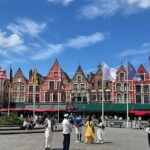
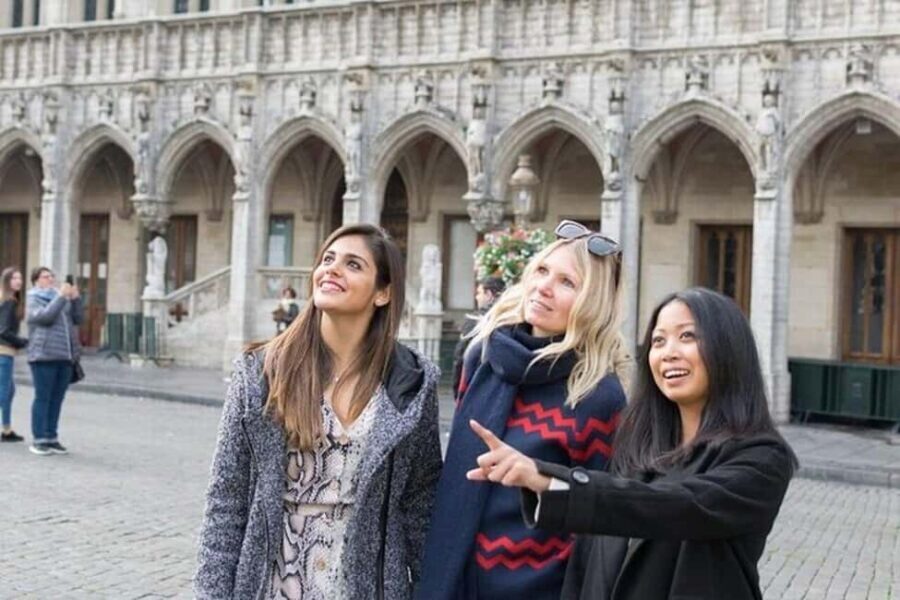
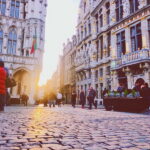
Then you reach Grand-Place, the centerpiece most visitors recognize. I like this stop on a guided route because you don’t spend all your time treating it like a postcard scene. You also get the “why”—history, context, and cultural meaning explained in a way that makes the place more than a backdrop for selfies.
This is also one of the moments where your guide’s style matters. Some guides keep things anecdotal and energetic; others focus more on historical references. In the better versions of this tour, the guide makes you look at the same square but with fresh eyes, which is exactly what I want from a paid guide.
One thing to watch for: if you’re doing a shared group and your group is large, you may have less control over how long you linger at the square itself. If you want more time for photos or you’re traveling with someone who moves slowly, the private option tends to be the smoother choice.
Other walking tours we've reviewed in Brussels

Brussels beyond the monuments: lesser-known streets and a local-friendly snack stop
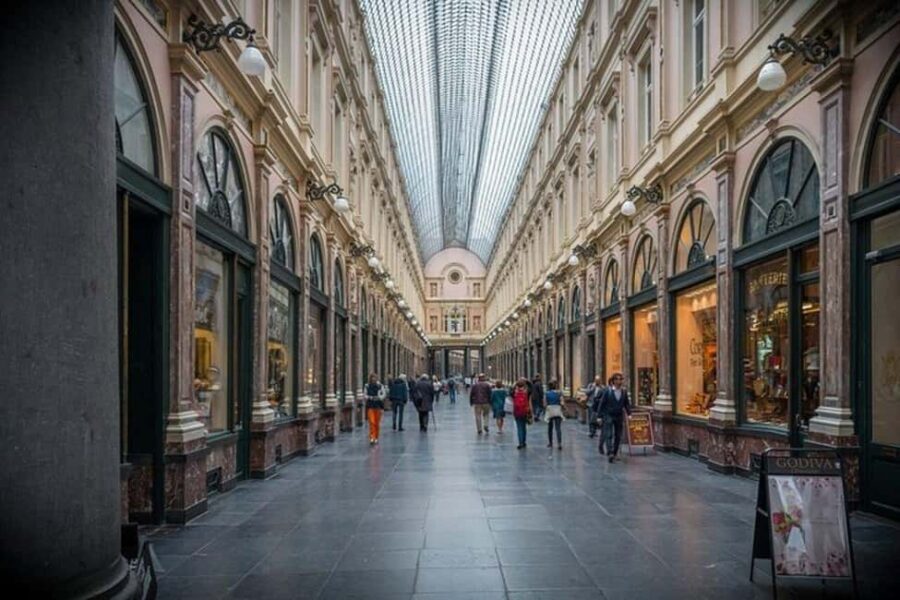
After the big landmarks, the tour continues through Brussels in ways that aim to avoid the most over-repeated routes. This is where you’ll see the city’s “in-between” character—the neighborhoods and streets that feel less staged.
Your guide will share stories and insights as you walk. The point isn’t just trivia. It’s learning how Brussels works as a living place: what people notice, how the city’s identity shows up in everyday streets, and how different historical layers sit side by side.
Another thoughtful part of this experience is the opportunity to visit one of your guide’s favorite eateries for a snack or a drink. The food isn’t included, but that small planned detour can be one of the most memorable pieces of the day. It turns the tour from purely architectural into something more human.
If you’re wondering whether to take the snack stop, here’s my practical advice: do it if you enjoy a casual pause. Skip it if you already planned a specific meal nearby, or if you know you’ll want to keep moving. Either way, you’re not stuck—your guide should be able to guide you through the practical timing.
Bois de la Cambre and the Sonian Forest: trading streets for green air
Later in the walk, the route shifts away from the densest sights and toward nature. You’ll visit Bois de la Cambre and then the Sonian Forest, both guided.
I like this part because it changes the rhythm. Even if you’re mostly a city person, you’ll feel the difference when the scenery gets greener and the pace feels more open. It’s a good contrast to the earlier stops, especially if your day in Brussels would otherwise be all “buildings, squares, and more buildings.”
Because the tour is only 3 hours total, you shouldn’t expect a long nature hike. Instead, think of this as a guided switch in atmosphere—enough to see the areas and hear context, without turning the day into a whole separate outing.
If you’re traveling in weather that’s uncomfortable, it’s still worth noting: outdoor segments mean you’ll feel the elements. Comfortable shoes matter even more here.
Shared group vs private: choosing the right version of your day
This tour gives you two ways to experience Brussels: shared group or private. I’d choose based on how you like to travel.
If you’re on the shared group option
Shared is often the best value route. It’s a good choice if you want the core sights—St. Nicholas’ Church, Royal Palace, Grand-Place—plus some lesser-known streets, with a guide to keep everything coherent.
Your trade-off is flexibility. Shared group touring usually means the guide’s pace is set to fit the group, and you’ll be in line with what’s scheduled for everyone.
If you’re going private
Private is where the tour becomes more personal. The tour can be customized to your interests, which is a big deal if you care more about history than photos, or you want extra time in the areas that mean the most to you.
Private also gives you more control over pacing. I’ve seen how flexible some guides can be with the start and finish points, finishing close to a planned meal and adjusting timing so the walk fits your real day. That kind of flexibility is exactly what private is for.
The caution: private doesn’t automatically guarantee a perfect fit. The quality comes down to the guide you’re assigned and how they explain the city. If you’re paying more for private, I recommend you arrive with a clear idea of what matters to you—history depth, lesser-known streets, or more time at specific places—so your guide can match your expectations.
What to wear and what to do before you go
This tour is walking-forward, so your prep matters more than you think.
- Wear comfortable shoes with decent grip. You’ll be on foot for the full experience, and the late-day green spaces can be uneven.
- Keep your expectations realistic about time at each stop. This is a guided route with several locations, so you’ll likely move from place to place rather than linger for an hour at one spot.
- Bring a charged phone or small camera setup. You’ll want photos at the landmarks, but the best images often come from being positioned well—your guide can help you get there.
If you tend to get cold or hot easily, dress in layers. The mix of city streets and green space can change how you feel as the tour moves along.
Who this tour is best for (and who should skip it)
This is a strong pick if:
- You want the major highlights of Brussels but also want guidance to find quieter parts rather than repeating the same postcard route.
- You like learning as you walk, with a guide connecting places through history and culture.
- You have a limited time window and want a single 3-hour plan that covers multiple key locations.
It’s less ideal if:
- You only want one or two places and prefer a totally self-guided pace.
- You need lots of free time to explore on your own without group listening moments.
- You’re very sensitive to guide style and explanation depth. Since the private option can be customized, it’s best when your guide and your interests align.
Should you book this Brussels walking tour?
Yes—if you want a guided route that mixes Brussels’ biggest sights with less obvious streets, and you appreciate history and context while you walk. The price is reasonable for a 3-hour live guide, and the option to choose shared or private gives you control over how tailored the day feels.
I’d book it with confidence if you’re excited by landmarks like St. Nicholas’ Church and Grand-Place, but you also want the day to include more than the obvious route. And if you pick private, go in with a clear focus so your guide can steer the walk the way you want.
FAQ
How long is the Brussels Highlights and Hidden Gems Walking Tour?
The tour lasts 3 hours.
Where is the meeting point?
You meet your guide near Pizzeria Del Corso on Bd Anspach 93.
What is included in the price?
The price includes the guided walking tour and a live guide.
Is food or drink included?
No. A snack or drink may be available as an optional stop, but drinks and food are not included.
What languages are available for the live guide?
The guide is available in English, Spanish, Italian, and French.
Can I book a private tour and customize it?
Yes. A private group option is available, and you can customize the walking tour to your interests.