REVIEW · BRUSSELS
Bruges bus tour from Brussels
Book on Viator →Operated by Buendía · Bookable on Viator
Bruges looks like a postcard, but this trip is practical too. You get a Spanish-speaking guide for the key sights, plus about 4 hours of free time to wander at your own speed. The trade-off is that it’s a full 9-hour day with frequent getting on and off the bus, so you’ll want comfy shoes and patience.
What I like most is the mix of tight guidance and breathing room. You’ll hit major landmarks like the Grote Markt and the Basilica of the Holy Blood, then your time in the city shifts from structured to self-directed, which is exactly how Bruges should be done. Another big plus: the coach ride is air-conditioned, and the group stays relatively small (max 45).
One note before you go: Bruges is at its best in good weather. If rain shows up, you can still enjoy the architecture and chocolate stops, but your walking and photos will be less fun.
In This Review
- Key highlights at a glance
- A Fast-Footed Day Trip From Brussels: What 9 Hours Really Means
- Bargeplein Drop-Off and Minnewater Lake for Quick Wins
- Begijnhof, Beer Lore, and Medieval Houses on Foot
- Gruuthusemuseum and St John’s Hospital: Power and Care
- Church of Our Lady: Michelangelo’s Sculpture, Seen From the Right Angle
- Grote Markt and Burg Square: Where Your Guide Helps You Think
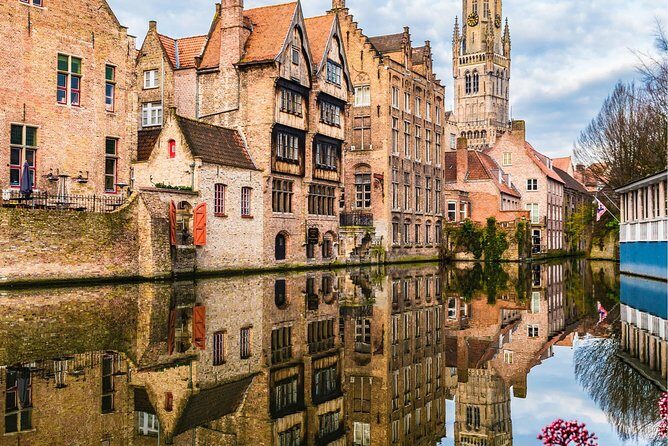
- Canals and Quays: St Bonifacius Bridge and Rozenhoedkaai Photos
- Tanners Square and Chocolalino: Learning Without Overpaying
- Four Hours of Free Time: How to Use It Like a Local
- Spanish Radio Guides and Headphones: The Small Rule That Saves Your Day
- What You’ll Pay and What You Get for It
- Who This Tour Fits Best (and Who Should Skip It)
- Should You Book the Bruges Bus Tour from Brussels?
- FAQ
- What time does the Bruges bus tour start from Brussels?
- Where is the meeting point in Brussels?
- How long is the full-day Bruges tour?
- What language is the guide speaking?
- Is there mobile ticketing?
- Do I get free time in Bruges?
- Are there any headset or radio rules?
- Is food or drink included?
- How many people are on the tour?
- What’s the cancellation policy if the weather is bad?
Key highlights at a glance
- Spanish-speaking professional guide for the main Bruges stories and layout
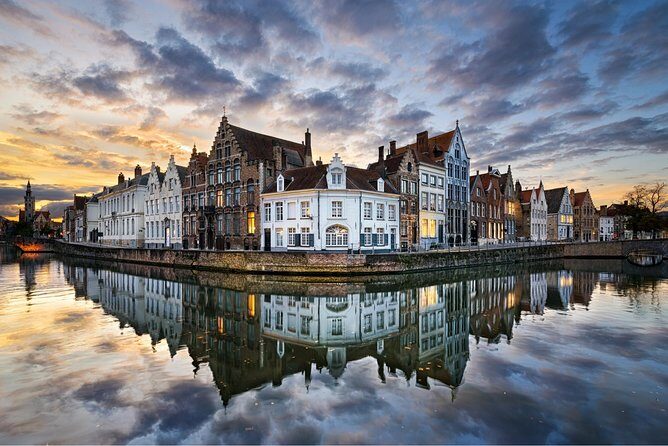
- Photo-focused stops like Rozenhoedkaai and St Bonifacius Bridge
- About 4 hours free time after the guided walk (timed by traffic and group pace)
- Air-conditioned coach round trip from central Brussels
- UNESCO medieval lanes plus canals and squares without the stress of planning
- Radio headsets sometimes required, with options to use your own 3.5mm jack
A Fast-Footed Day Trip From Brussels: What 9 Hours Really Means
This is a straight-up day trip with a big goal: show you the Bruges essentials, then get you back to Brussels. The tour runs about 9 hours, starting at 8:30 am from Carrefour de l’Europe (Carr de l’Europe, 1000 Bruxelles) and ending back at the same meeting point.
The coach is air-conditioned, which matters on a long day. Also, the group is capped at 45 travelers, so it feels more like a guided outing than a massive bus parade. Just remember the rhythm: short stops, short walks, then back to the bus. If you’re sensitive to crowds or hate waiting your turn, plan your mindset accordingly—your legs will do a lot of work.
The good news is pacing. The schedule builds in micro-breaks and even a quick bathroom moment early on. It’s not a lazy stroll, but it’s not an all-day hike either.
Other Bruges day trips we've reviewed in Brussels
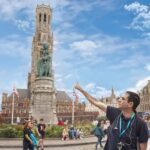
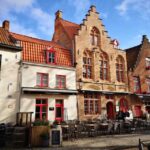
Bargeplein Drop-Off and Minnewater Lake for Quick Wins
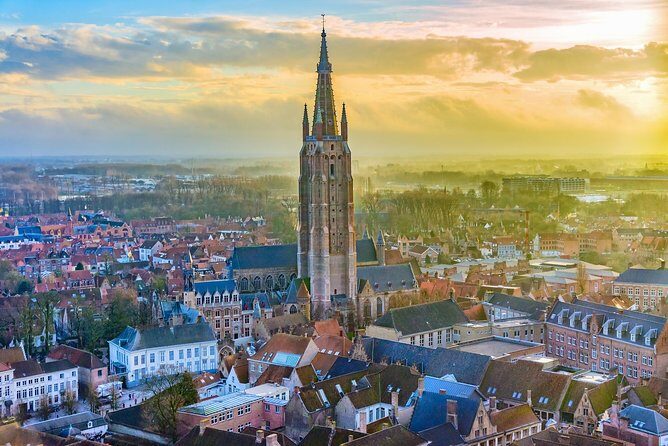
You’ll first roll into Bruges at Bargeplein (Katelijnparking). The tour gives you about 10 minutes right off the bat for a bathroom stop. The guide also sets expectations for when to return to the bus, which keeps the whole flow from turning into a scavenger hunt.
Next comes Minnewater Lake, also known as the Lake of Love. You don’t spend ages here—just around 5 minutes—but this is a smart starter spot. It gives you that Bruges postcard look fast: still water, a calm scene, and a backdrop that makes photos easy. Your guide explains the history of Bruges along with the love story connected to the lake, so it’s not just a photo stop.
If you want the best shots, treat this like warm-up time. Use the short window to get the photos you’ll actually want later, then move on before your energy fades.
Begijnhof, Beer Lore, and Medieval Houses on Foot
After Lake of Love, you step into Beguinario (Begijnhof), a complex founded in 1245. You’ll have about 10 minutes here. This stop works because it slows the story down just enough for you to notice the texture of old Bruges—this isn’t about buying souvenirs; it’s about understanding how people lived in earlier centuries.
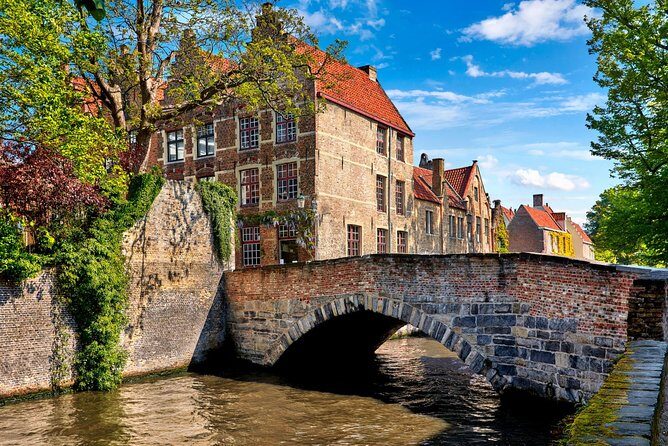
From there, the tour keeps adding “small but meaningful” details. You’ll get photo time from a small bridge, which is exactly the kind of Bruges moment you’ll be grateful for later when your camera roll has a clean, iconic shot.
Then it turns to everyday medieval life:
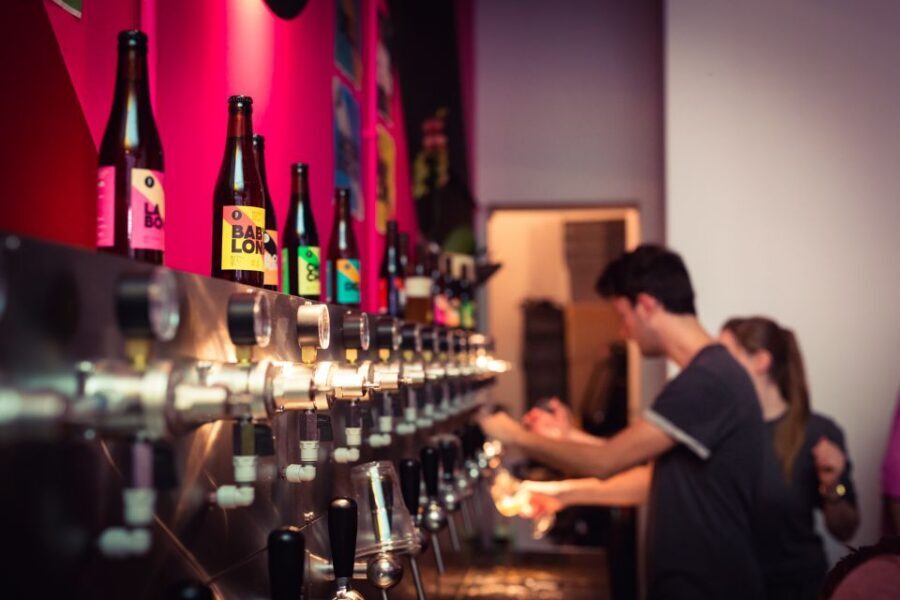
- Walplein (about 5 minutes) where your guide talks about the history of Bruges beer
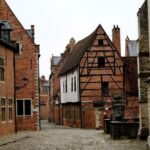
- Stoofstraat (about 5 minutes) where you learn how to spot original medieval houses
I like these stops because they teach you how to look. Bruges can feel like one big blur of buildings unless you know what to notice. Beer history and house clues give your eyes a job.
Gruuthusemuseum and St John’s Hospital: Power and Care
The tour highlights both influence and care, which makes the day feel more complete. At Gruuthusemuseum, you meet the story of one of the most famous and powerful families in Bruges between the 17th and 18th centuries. The time is short (around 5 minutes), but the guide framing helps you see why the architecture and artifacts matter.
Then you move to Saint John’s Hospital (outside area stop), where the guide explains how the health system worked in medieval Bruges. You get about 8 minutes.
This is one of those moments where you realize Bruges isn’t just pretty streets. It was a working city with systems for everyday needs. Even if you don’t go inside anywhere, having the guide connect the buildings to real life makes the place stick in your brain.
Church of Our Lady: Michelangelo’s Sculpture, Seen From the Right Angle
At Onze-Lieve-Vrouwekerk (Church of Our Lady), you’re positioned outside and get an explanation of what to look for inside. The guide points out curiosities about the white marble sculpture of the Virgin and Child created by Michelangelo that you’ll find inside the church.
You’ll have about 5 minutes for this. That’s brief, but for many visitors, the value is in being told what’s special so you can recognize it later if you return on your own. If you’re the type who wants to go deeper, keep this stop as your “setup.” Then use your free time to decide whether you want to revisit.
This kind of short-but-focused church stop works well on a day trip. Otherwise, you risk spending hours indoors and losing your chance to see the canals.

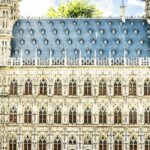
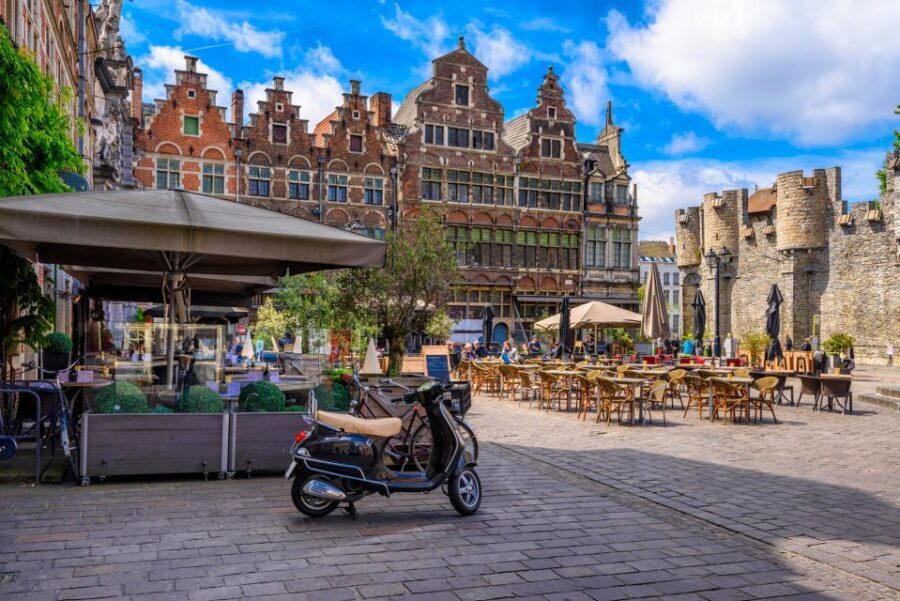
Grote Markt and Burg Square: Where Your Guide Helps You Think
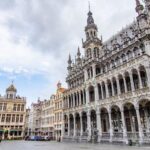
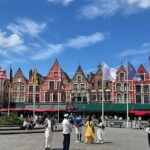
The tour’s guided walking loop ends at Grote Markt (the Markt) with about 20 minutes. Your guide explains the buildings around the square and gives you practical tips for:
- where to eat
- where to buy traditional chocolate
They also remind you exactly when and where you need to be to catch the bus back to Brussels. That bus-timing reminder is more important than it sounds. Bruges pulls you in with its corners, but your schedule has to stay attached to reality.
Before that, you also stop at Burg Square (about 10 minutes). Here you’ll see the Gothic town hall, the old courthouse, and the Basilica of the Holy Blood. This mix of civic buildings and a famous religious site helps you understand how Bruges balances power, faith, and city life.
If you’re already thinking about what to prioritize during the free hours, Grote Markt is where you’ll get your bearings fast. It’s a helpful hub for planning your next moves.
Canals and Quays: St Bonifacius Bridge and Rozenhoedkaai Photos
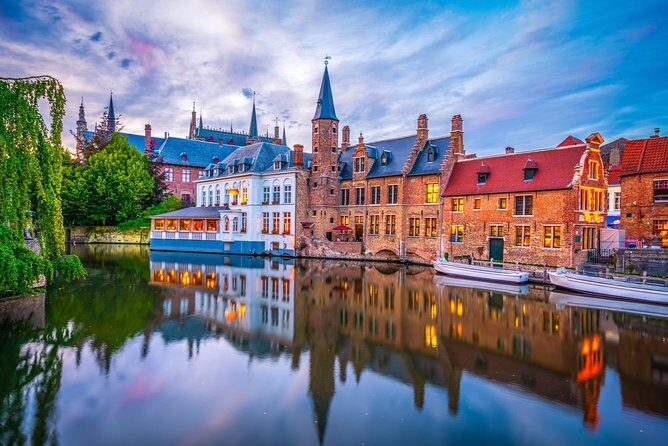
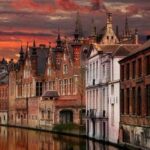
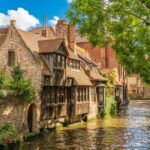
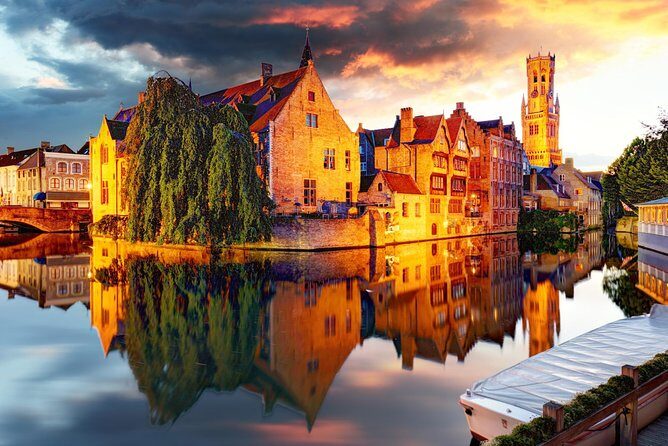
Bruges is famous for canals, and this tour gives you the best “you can’t fake this look” places. At St Bonifacius Bridge (about 5 minutes), your guide shares a legend tied to the bridge and then gives time for photos.
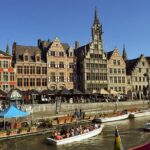
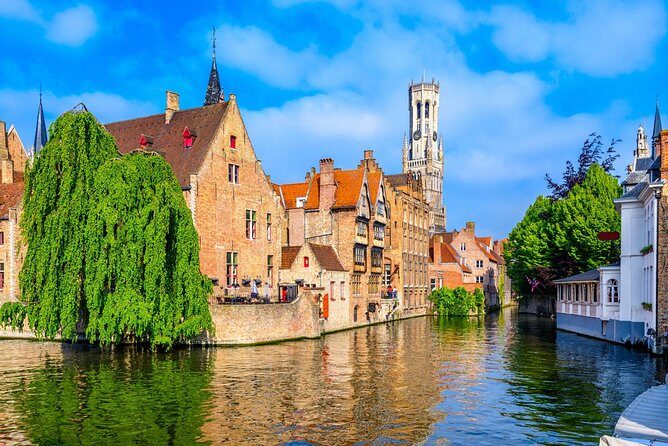
Then comes Rozenhoedkaai (about 5 minutes)—often called the most photographed spot in Bruges. The guide explains the history around the “Muelle de las rosas” (rose quay), and you get another shot window.
This is where your camera work matters. Don’t try to shoot everything from one angle. Rotate a little, find a clean line with reflections if conditions allow, and then stop once you’ve got the image you want. Bruges is full of angles; that’s great, but it can also waste time if you over-plan.
If you love canals, you can also consider adding a short canal cruise during your free time. One of the best pieces of value from people who’ve done this day trip is that a short ride makes the city feel even more real—often described as money well spent.
Tanners Square and Chocolalino: Learning Without Overpaying
The tour doesn’t ignore daily work. At Huidenvettersplein (Tanners Square), you’ll get about 5 minutes to learn how tanners worked in medieval Bruges. The story is quick, but it adds context: this city wasn’t built only for sightseeing; it grew from trades and daily labor.
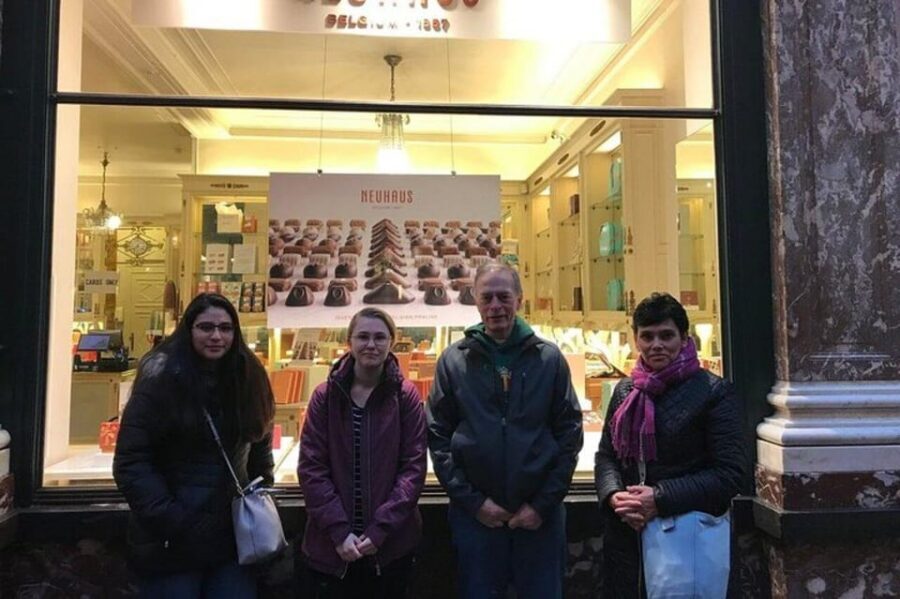
Then it’s on to Chocolalino, where you’ll get about 8 minutes to taste artisan chocolates. Your guide also explains Bruges chocolate and shares tips to distinguish handmade from industrial chocolate.
Two practical points here:
- Food and drink aren’t included in the tour price. So tasting might be part of your visit experience, but purchases are likely on you if you want more.
- Use the guide’s explanation in the shop. It’s easier to choose what you actually want when you know what you’re looking for.
Also, chocolate time on a day trip is smart. It saves you decision fatigue later when you’re tired and hungry and every shop looks tempting.
Four Hours of Free Time: How to Use It Like a Local
Once the guided portion ends, you get about 4 hours to explore independently. The exact timing can shift depending on traffic and the group rhythm, but the intent is clear: you get enough hours to do real wandering, not just a quick lap around the square.
How I’d use it:
- Start near the areas you were already pointed to, so you don’t waste time relocating.
- Pick one main theme: canals, churches, or neighborhoods. Trying to “do it all” in Bruges is how you end up chasing crowds instead of enjoying the place.
- Add one “extra” that fits you, like a short canal cruise, and treat the rest as slow walking.
And don’t skip the snacks. Bruges is built for eating small things along the way—chocolate, a sit-down lunch, maybe a beer you saw referenced earlier in the day.
It’s also a good moment to revisit any spot you felt rushed by during the guided stops. That’s the best part of this tour format: the guide gives you the map, then your feet do the choosing.
Spanish Radio Guides and Headphones: The Small Rule That Saves Your Day
Belgian regulations sometimes require radios with headphones during portions of the tour. When that happens, your guide keeps everyone together and heard. You can use your own wired 3.5mm jack non-wireless headphones. If you don’t have them, you can purchase headphones for €1.
This is one of those details that can make or break your comfort. If you’re the type who hates bulky gear, bring a compact wired pair. It’s an easy way to stay connected to the guide without guessing what you missed.
What You’ll Pay and What You Get for It
The price is $49.73 per person and booking tends to be made about 27 days in advance. For that money, you’re paying for three things:
- round-trip transport from central Brussels by coach
- a professional Spanish-speaking guide
- a guided city walk that sets you up for your independent time
Notably, the tour’s listed stops show free admission tickets for the points where you’re stopping. That doesn’t mean you’ll never spend anything in Bruges, but it does mean the core tour isn’t built around paid entrances.
So the value question becomes: do you want a structured introduction plus time to roam? If yes, this price feels reasonable. If you already know Bruges well and plan to self-guide from the start, you might decide it’s extra. But for a first visit, the guide cuts planning time down fast.
Who This Tour Fits Best (and Who Should Skip It)
This tour is a strong fit if you:
- want a guided “Bruges basics” route with clear photo stops
- like having time to roam on your own afterward
- prefer Spanish-led commentary rather than switching languages mid-trip
- don’t want the hassle of figuring out logistics from Brussels
It might not be your best choice if you:
- struggle with long walking days or lots of short stops
- need a specific language (the guide is Spanish-speaking, and this can matter if you’re not comfortable following along)
- hate the idea of time pressure tied to a bus schedule
Also, weather matters. The tour runs outdoors a lot, so if it rains, your comfort level drops.
Should You Book the Bruges Bus Tour from Brussels?
I’d book it if your goal is simple: get a well-timed first look at Bruges with a guide who explains what you’re seeing, then use free time to slow down and pick your favorites. The Spanish guide, the canal-and-square photo stops, and the about 4 hours independent window are the real reasons this works.
I’d skip it if you want a totally relaxed day with no schedule. This is more “organized sightseeing plus wandering” than “slow day with zero constraints.” If you’re okay with that, this is a solid way to see Bruges without turning your Brussels trip into a logistics project.
FAQ
What time does the Bruges bus tour start from Brussels?
The tour starts at 8:30 am from the meeting point in Brussels.
Where is the meeting point in Brussels?
The meeting point is Carrefour de l’Europe (Carr de l’Europe, 1000 Bruxelles, Belgium).
How long is the full-day Bruges tour?
It lasts about 9 hours, depending on traffic and group timing.
What language is the guide speaking?
The guide is Spanish-speaking.
Is there mobile ticketing?
Yes, the tour uses a mobile ticket.
Do I get free time in Bruges?
Yes. You’ll have approximately 4 hours to explore Bruges independently after the guided city tour.
Are there any headset or radio rules?
Belgian regulations sometimes require radios with headphones during parts of the tour. You can use your own wired 3.5mm jack headphones, or buy headphones for €1.
Is food or drink included?
No. Food and drink are not included, but the guide will share tips on where to eat.
How many people are on the tour?
The maximum group size is 45 travelers.
What’s the cancellation policy if the weather is bad?
You can cancel for a full refund up to 24 hours before the start time. The tour requires good weather, and if it’s canceled due to poor weather, you’ll be offered a different date or a full refund.