REVIEW · BRUSSELS
Visite guidée : Bruxelles, 1000 Ans de Luttes
Book on Viator →Operated by Brussels By Foot · Bookable on Viator
Brussels has a second face, and this walk shows it. I especially like the story-led route and the way you get real context around places most people just rush past. You also get a 2-hour, small-group format that keeps the pace human. One thing to consider: this is more about people and tensions than wow-factor sights, so if you only want postcard monuments, you may feel slightly underfed.
You start near the old heart of the city and end right at Place du Jeu de Balle, where daily street life takes over. The tour is offered in English, uses a mobile ticket, and caps at 25 people. If you’re coming Sunday, the first church stop can add an extra layer since it hosts a Polish mass every Sunday.
In This Review
- Key highlights you will feel right away
- Entering 1000 Years of Luttes: why this theme works
- Rue de la Chapelle to Notre-Dame de la Chapelle: a 12th-century opener with a pulse
- Palais de Justice: the Belgian scandal, explained in plain language
- Ascenseur des Marolles: the quick viewpoint that changes how you see Brussels
- Les Marolles on foot: tiny streets, blind alleys, and real survival
- Place du Jeu de Balle: the flea market finish with everyday history
- Guides and style: why the storytelling feels different
- Price and value: what $3.62 buys in real terms
- Practical logistics that actually matter
- Who should book this tour (and who might skip it)
- Should you book Bruxelles, 1000 Ans de Luttes?
- FAQ
- How long is the Bruxelles, 1000 Ans de Luttes tour?
- What language is the tour offered in?
- Where do I meet the guide?
- Where does the tour end?
- What is included in the price?
- Is there anything not included?
- How big is the group?
- Is cancellation free if I change my plans?
Key highlights you will feel right away
- A guided story of Brussels struggles told through street-level details in Les Marolles
- Real places, not theory: a 12th-century church, the justice palace, a viewpoint elevator, and the flea-market square
- Tight time budget: about 2 hours with short stops so you can keep the rest of your day flexible
- Small group energy (up to 25) that makes questions feel welcome
- A strong guide effect: names like Francois, Simon, and Thomas show up in feedback for passionate, clear explanations
- An ending that matches the theme: the finish is at the market square, then you can step into a nearby bar or restaurant
Entering 1000 Years of Luttes: why this theme works
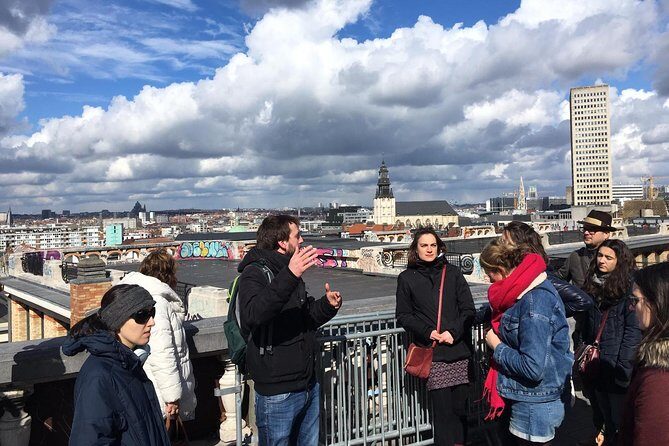
Most Brussels walks are built around buildings. This one uses buildings as props for a bigger idea: how ordinary people have pushed back, adapted, and survived over many centuries. The title 1000 ans de luttes sets the tone immediately. You’re not studying history from a distance. You’re walking through the parts of the city where hardship was close to daily life, and where community mattered.
What I like about the approach is that the route balances heavy topics with curiosity and momentum. You’ll talk about money wasted and civic decisions in one stop, then enjoy a view and local street textures in the next. That mix keeps the tour from turning into a lecture, even when the subject matter gets serious.
And because the format is about two hours, it’s a smart add-on to a first-time visit. You get bearings in a central neighborhood that many people barely notice.
If you're still narrowing it down, here are other tours in Brussels we've reviewed.


Rue de la Chapelle to Notre-Dame de la Chapelle: a 12th-century opener with a pulse
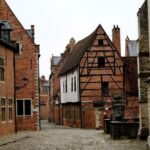
The tour begins at Rue de la Chapelle 21 and your first stop is Église Notre-Dame de la Chapelle. This church dates to the 12th century, which automatically gives you a time anchor. But the real value is how it connects old stone to present-day rhythm.
At this stop, the key details are practical and specific: there are often painting exhibitions, and the church hosts mass in Polish every Sunday. That matters because it shows Brussels as a city of layers, not a single culture frozen in time. Even if you don’t speak Polish, the fact of the service is a reminder that the immigrant and cultural story is not separate from the city’s “old” story. It is part of it.
Timing here is short (about 10 minutes). That’s intentional. You get the main idea without losing the day to a long museum-style stop.
Palais de Justice: the Belgian scandal, explained in plain language
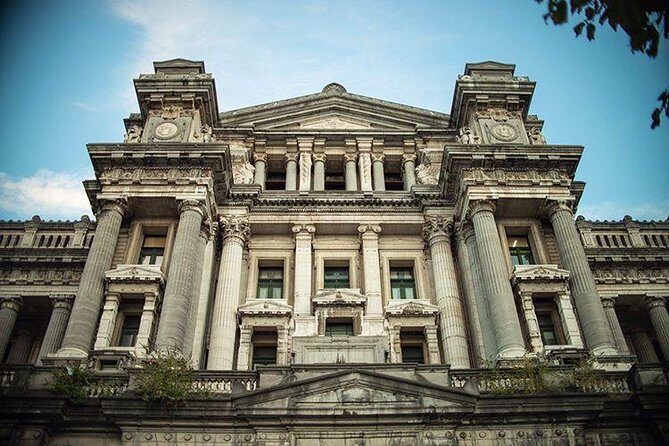
Next comes Palais de Justice, one of those landmarks you can’t miss once you know where it is. The twist is the conversation the guide brings: renovation works started about 40 years ago and never fully ended, and the tour frames it as a typically Belgian scandal—public money, delays, and political reality.
This is a fascinating stop even if you usually skip “government building” content. Why? Because the story isn’t abstract. You learn how grand projects can drag on, and how symbols of justice can become symbols of bureaucratic friction. It’s also a useful contrast to the more human-scale setting of Les Marolles later on. One place represents power and institutions; the other represents people living with the consequences.
You’ll only spend around 15 minutes here, so don’t expect a deep architecture seminar. Think of it as context you can carry with you when you later see civic structures across the city.
Ascenseur des Marolles: the quick viewpoint that changes how you see Brussels
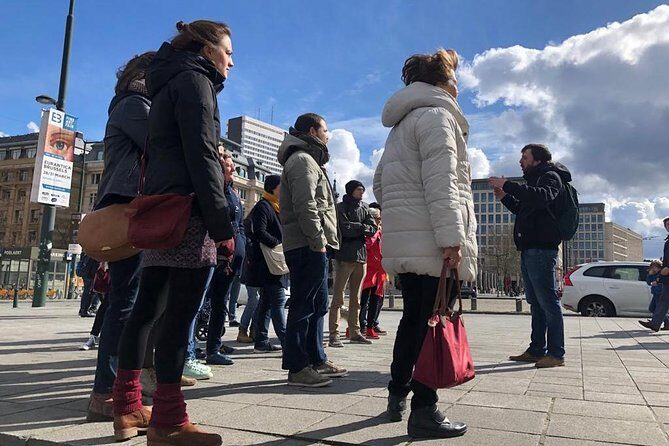
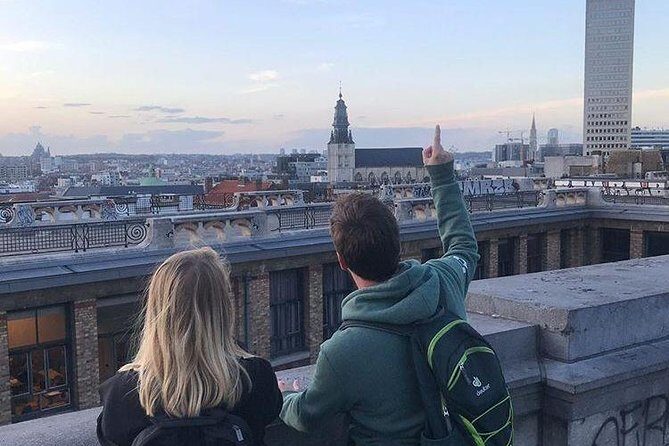
After the justice palace, the tour shifts gears with Ascenseur des Marolles. This is one of those spots where a short visit can make a big difference because you finally understand where everything sits.
You go up for a brief moment to get the best view of Brussels from the top of this elevator. Even without extra time, a viewpoint gives you a spatial reset. It helps you understand why the Marolles neighborhood developed the way it did and why the streets feel like they twist and tighten.
The stop is only about 5 minutes. That’s perfect for keeping energy high. You get the “how it looks from above” moment without turning your walk into a sightseeing detour.
Les Marolles on foot: tiny streets, blind alleys, and real survival
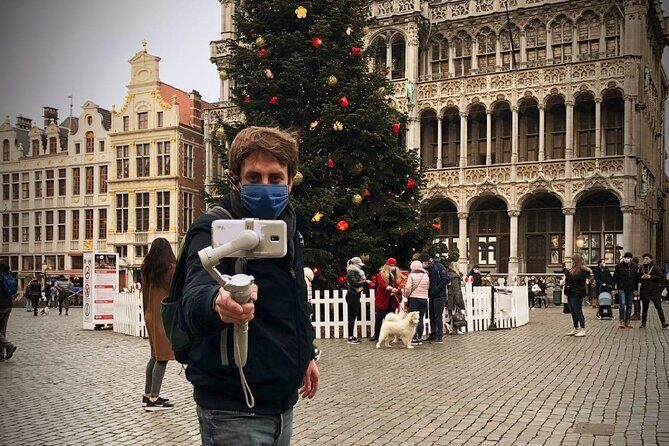
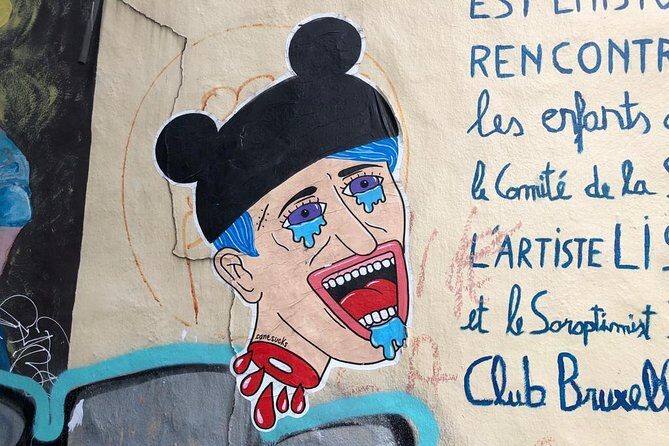
Then you move into the heart of the story: Quartier Marolles. This is where the tour earns its theme. Marolles is described as an unruly district with an unexpected history—and the key idea is that it has long been a central place for people who had less power and less comfort, but still maintained strong independence.
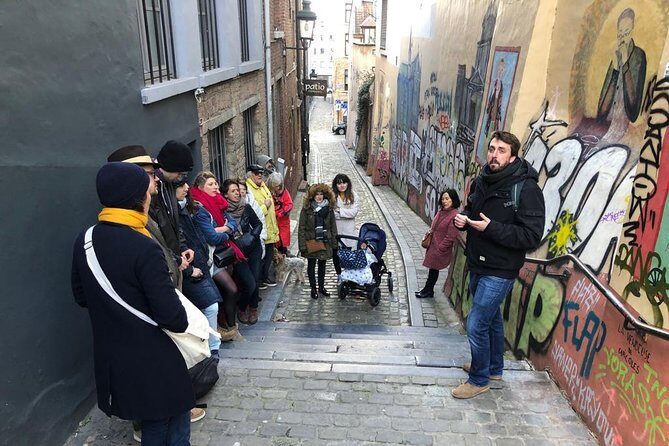
On the ground, you’ll experience what that means physically. The neighborhood is full of tiny streets and blind alleys. Those details do more than decorate a photo. They explain how community works when space is tight and when the street layout funnels people together.
You’ll spend around 20 minutes in this area, which is enough time to notice street patterns and understand how the guide connects them to daily life across the centuries. This is also where named guides like Simon and Thomas get singled out for explaining living conditions and invisible borders—how separation can be felt even when it isn’t always obvious from a map.
If you like walking tours that teach you how people lived—not just what rulers did—this is the section you’ll remember.


Place du Jeu de Balle: the flea market finish with everyday history
The final stop is Place du Jeu de Balle. Here the tour turns outward toward the city’s everyday economy and routine. You’re shown the daily flea market of the Marolles, and how people have worked to keep this place conserved despite pressure from time and change.
This stop is short (about 10 minutes), but it’s built for momentum. The guide finishes around the square at Pl. du Jeu de Balle 64, in the middle of the square, and then you can naturally continue the day in the surrounding bars and restaurants.
I like endings like this because they don’t force you into another scheduled activity. You can linger with a coffee or pick something quick to eat nearby and let the market energy keep rolling.
Guides and style: why the storytelling feels different
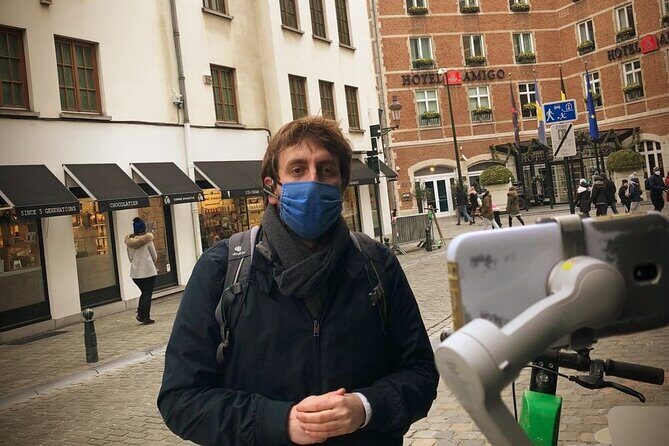
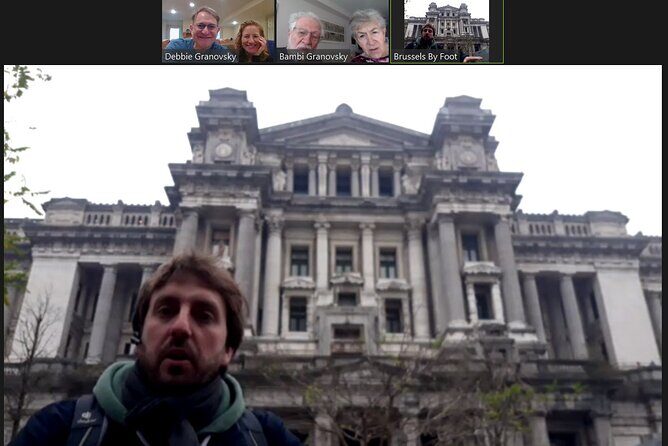
A big part of the success here is the human factor. Names like Francois, Simon, and Thomas appear in feedback for a reason: the tours are built around clear explanations and a generous storytelling style.
What stands out from that kind of guide is how they handle questions. The best moments in a themed walk often come from conversation, not from the script. Feedback specifically highlights guides answering questions about the Marolles area and keeping the tour engaging rather than stuck on dry anecdotes.
If you’re traveling with family or you want something that works for both first-timers and people who have lived in Brussels for a while, this style helps. You’ll get structure, but the stories have enough flexibility to connect to what you’re actually seeing.
Price and value: what $3.62 buys in real terms
The listed price is $3.62 per person, for a tour that’s about 2 hours and includes entrance fees/registration fees. That combination is where the value sits. You’re paying for a guided narrative plus access where needed, without needing to figure out ticket logistics for each stop.
What is not included: there’s a note for gratuities of €10.00 per person. In other words, you should treat the paid price as the base, and plan a tip if the guide earns it. If you’re on a tight budget, you’ll want to decide in advance whether you’ll tip at that level, because your final cost depends on your generosity.
Also note the cap: maximum 25 travelers. In practice, that size supports Q&A and makes the walk feel less like being carried along by a crowd.
Practical logistics that actually matter
This is the kind of tour that’s easiest when you keep it simple.
- The tour uses a mobile ticket, so have your phone charged.
- It’s English.
- The meeting point is Rue de la Chapelle 21, 1000 Bruxelles, and it ends at Pl. du Jeu de Balle 64 in the middle of the square.
- It runs in an urban setting, and it’s listed as near public transportation.
- Most people can participate, and service animals are allowed.
One more small but real point: the stops are spread in the central area, and the time per stop is capped. That makes it easier to stack with other plans the same day.
Who should book this tour (and who might skip it)
Book it if you want Brussels that goes beyond facades. It’s especially good if you:
- enjoy walking tours that mix place + people + conflict
- like neighborhoods with character rather than only monuments
- want a better understanding of why Marolles feels the way it does
Consider a different option if you’re mainly chasing iconic sights and prefer a lighter, purely sightseeing pace. This walk makes room for tough themes like civic wasting of money and the lived reality of disadvantaged communities.
Should you book Bruxelles, 1000 Ans de Luttes?
Yes, if your goal is to understand Brussels at street level. For the time and the low base price, you’re buying a guide-led storyline through some genuinely important parts of the city: a 12th-century church with Polish mass on Sundays, the justice palace with its ongoing renovation saga, a quick lift to reset your perspective, and Marolles itself leading straight to Place du Jeu de Balle.
If you’re the type who likes asking questions and getting explanations in clear, human terms, this is the kind of tour that can make the city feel more personal fast.
FAQ
How long is the Bruxelles, 1000 Ans de Luttes tour?
It runs for about 2 hours.
What language is the tour offered in?
The tour is offered in English.
Where do I meet the guide?
You meet at Rue de la Chapelle 21, 1000 Bruxelles, Belgium.
Where does the tour end?
The tour ends at Pl. du Jeu de Balle 64, 1000 Bruxelles, Belgium, in the middle of the square.
What is included in the price?
The price includes the entrance fee / registration fees. (Specific inclusions are listed as entrance and registration.)
Is there anything not included?
Gratuities (€10.00 per person) are not included.
How big is the group?
The tour has a maximum of 25 travelers.
Is cancellation free if I change my plans?
Yes. You can cancel for a full refund if you cancel at least 24 hours in advance.