REVIEW · BRUSSELS
The Most Complete Tour Of Brussels
Book on Viator →Operated by BelgoTours · Bookable on Viator
Grand Place hits first. This English walking tour stitches together Grand Place and Manneken Pis with quick stops at Sablon and Mont des Arts. I love how tightly it’s timed for a first visit, and I also like that the guides bring stories plus practical city tips into the walk. The one drawback to plan for is that it is still a walking tour, so those with mobility limits should think it through.
You start at Grote Markt and end up at Mont des Arts after about 2 hours 30 minutes. Each main stop is listed with free admission, which helps you keep the day’s costs under control. Expect a small group (up to 30) and an easy meeting point close to public transportation, with the ticket delivered as a mobile pass.
One more budgeting note: the tour includes a guide and then asks for a voluntary contribution of about €15–30 at the end, so the low entry price is not the whole story. Still, with how much ground you cover and how much guidance you get, it can feel like a smart way to get your bearings fast—if you’re ready for steady steps.
In This Review
- Key highlights at a glance
- Grand Place: the 15-minute “Brussels in one glance” stop
- Manneken Pis: why the 20 minutes feels longer than you think
- Notre-Dame du Sablon: a church that hints at aristocratic Brussels
- Mont des Arts: views from the upper city, end-of-walk payoff
- The guide matters: storytelling, humor, and real city tips
- Price and value: the low booking fee plus the €15–30 contribution
- Walking reality: time on your feet, group size, and who it suits
- Where it leaves you after: use the walk to plan your next Brussels hours
- Should you book the Most Complete Tour Of Brussels?
Key highlights at a glance
- Grand Place + Manneken Pis, in one efficient loop without wasting time on long transfers
- All listed sites are free to enter, so you are paying for guiding, not museum tickets
- Story-driven English guiding, with guides like Marcella, Ian, Senti, Irene, Antonio, and Adelin showing up in past groups
- Local tips that go beyond the landmarks, including food and drink recommendations (one review even calls out Delirium)
- Voluntary contribution at the end (€15–30) keeps the vibe personal, not stiff
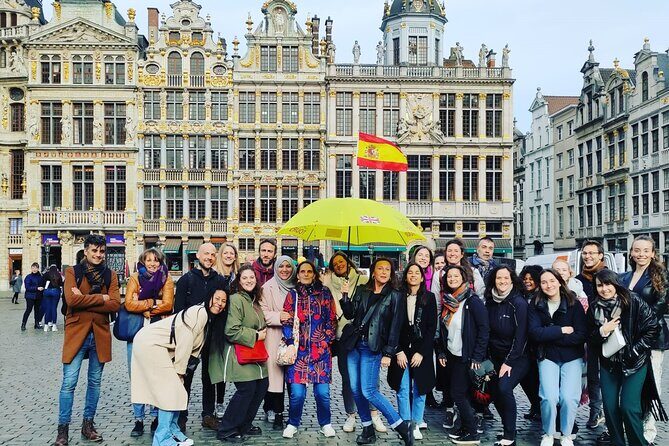
- Small group size (max 30), which makes questions and photo stops easier
Grand Place: the 15-minute “Brussels in one glance” stop
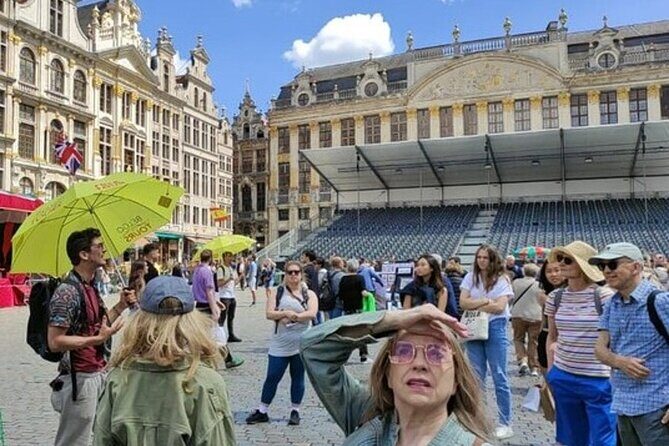
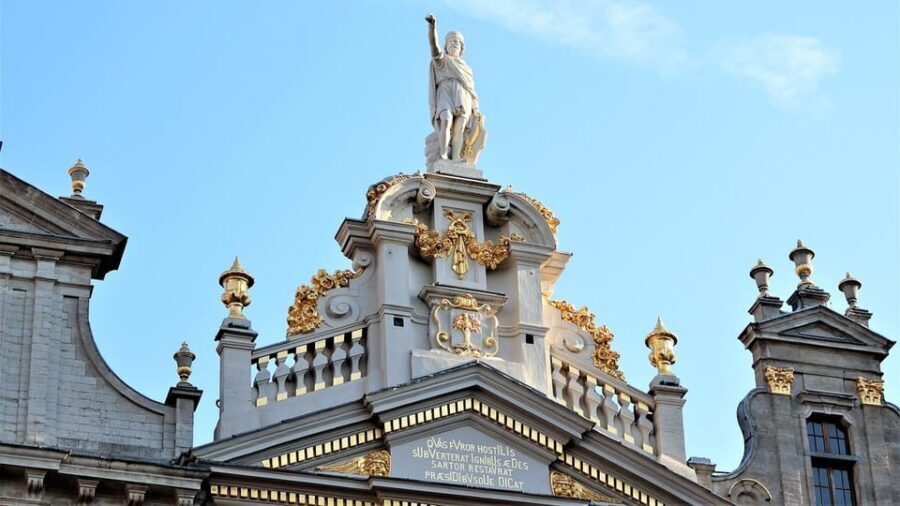
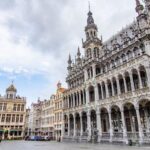
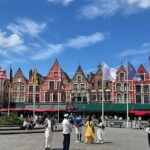
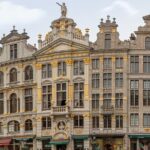
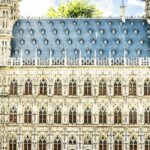
Grand Place (also called Grote Markt) is the place you already know from photos, but it lands differently in person. This is where Brussels flexes its architectural styles in one tight square. The tour keeps it moving—about 15 minutes—so you get the big picture without turning it into a long lecture.
What I like here is the focus. In a short time, you can spot how the square works as a stage: the façades, the sense of symmetry, and the way the buildings frame the open space. Your guide’s job is to help you read what you are seeing. It is not just look-and-go.
A practical thought: take one good photo early, then circle your way to catch the buildings from another angle. Since the stop is short, you’ll save yourself the rush. And because admission is free, you can pause and go at your own pace for a moment without worrying about additional entry steps.
One small consideration: if the square is busy when you arrive, you might spend part of those 15 minutes simply threading through people. Showing up on time matters.
If you're still narrowing it down, here are other tours in Brussels we've reviewed.


Manneken Pis: why the 20 minutes feels longer than you think
Next is Manneken Pis, the famous little fountain character that somehow became a symbol for the whole city. This stop runs about 20 minutes, which is enough time for the two things you actually need: a look at the statue and a clear photo.
I like that this is more than a quick screenshot. A good guide will place it in context—how Brussels got attached to this playful image and why it keeps showing up in local culture. Even if you are not a history person, you can still enjoy the story because it is usually told with a light hand.
Here’s a smart move: plan your photo, then stand back. That way you can see the surrounding streets and how this icon sits inside everyday city life. It helps you connect the landmark to the city instead of treating it like a roadside stop.
If you are traveling with kids, this is often the win of the walk. If you are traveling solo, it is an easy moment to reset, grab water, and regroup for the next move.
Notre-Dame du Sablon: a church that hints at aristocratic Brussels
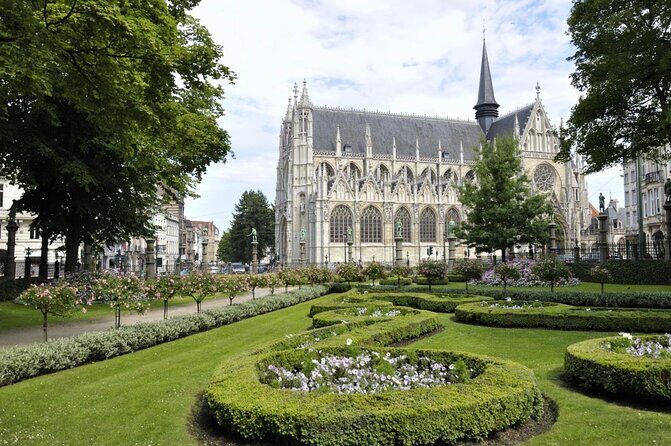
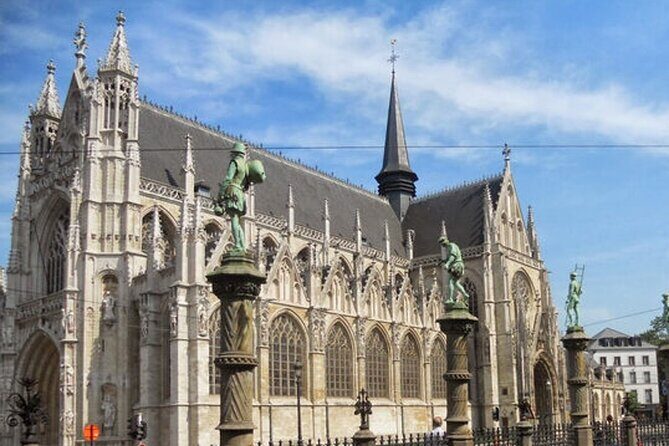
The tour heads to the Église Notre-Dame du Sablon (noted as the Church of Nostra Senyora del Sablon). This stop is about 20 minutes, and it comes with a clear theme: a church tied to elite gatherings in the 19th century.
This is a good change of pace from the open square and the playful fountain. Churches can feel like a blur if you only look at them as decoration. With a guide, you can focus on what makes Sablon feel different—how the setting and the details connect to the city’s past social life.
What to do in your 20 minutes: don’t try to absorb every inch at once. Look for a few standout details, then let your guide’s explanation point you toward what to notice. That is the best way to avoid that trapped feeling of standing still while your mind drifts.
Also, admission is listed as free for this stop, so you get maximum value for your time. The main limit here is attention span. If you come in tired, keep your goals small: learn one or two things, take a couple of photos, and move on.
Mont des Arts: views from the upper city, end-of-walk payoff
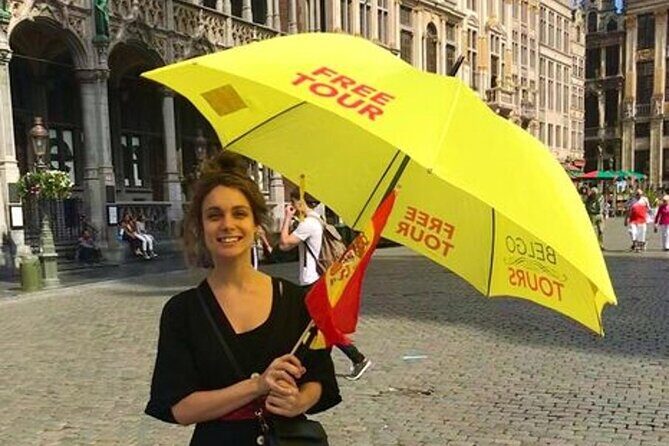
The last stop is Mont des Arts, in the upper part of the city. The tour allots about 20 minutes, positioning it as the finishing “look over Brussels” moment. It is also described as being in the royal court district, which matters because it explains why this area feels elevated and formal compared with the lower streets.
I like ending here because it reframes the whole walk. You started at the city’s famous central square, you checked out icons, then you worked your way up to a district that feels built for power and planning. Even if you only catch the most visible viewpoints, you come away with a mental map.
In practice: give yourself a minute after the tour ends to soak in the view. You’ll usually find that you see the roads you walked earlier, and that helps you plan what to do next.
Small caution: Mont des Arts is in the upper city, so expect some up-and-down walking across the day. The tour’s total time is about 2 hours 30 minutes, and your feet will notice the route more than your phone will.
The guide matters: storytelling, humor, and real city tips
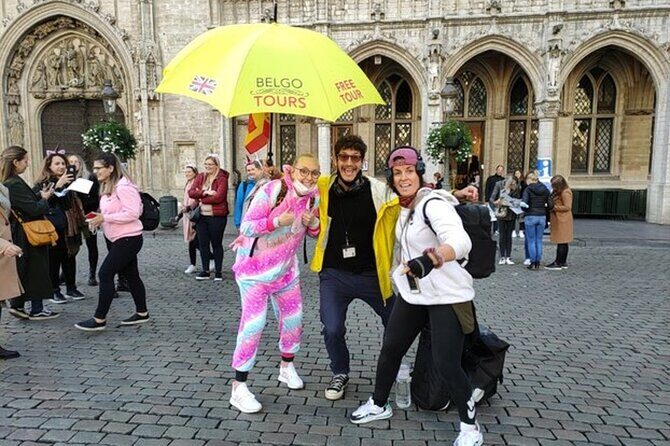
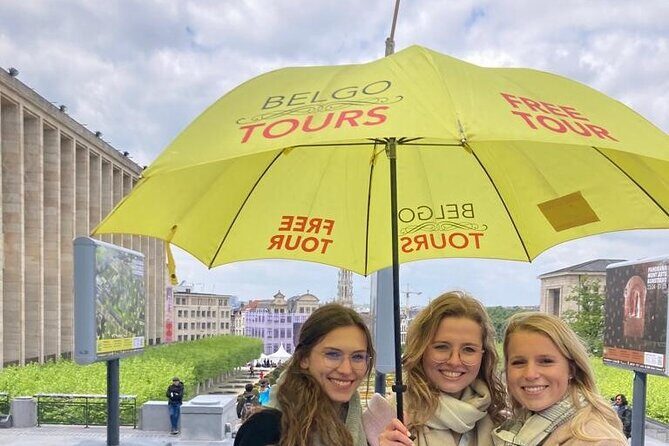
This tour succeeds or fails on the person holding the group together. The best feedback in the reviews points to guides who keep things engaging and answer questions clearly, with a mix of history, architecture context, and practical pointers.
You can see patterns in the names that come up: Marcella, Ian, Senti, Irene, Antonio, Adelin, Leandro, Seti, Ardel, Tom, and Cesar. More than just naming people, this tells you something useful for your expectations: you are likely to get a live guide who treats the walk like a conversation, not a slideshow.
One review calls out a guide using quiz-style engagement. Another highlights humor and pacing that avoids information overload. That matters because the tour is short. In a 2.5-hour window, you want the important bits, told in a way your brain can actually keep.
For practical value, the same theme shows up repeatedly: guides share suggestions for where to eat, drink, and what else to see. One review even mentions Delirium, the famous beer bar, as part of the day’s highlights. Even if your route does not include a specific extra stop, you can usually rely on getting lead-in ideas that fit what you like.
If you want to get the most out of the tour, do this: ask your guide one question at the start about your next move, like where to go for a first meal or a good beer option. You’re paying for local shortcuts, not just landmark photos.

Price and value: the low booking fee plus the €15–30 contribution
The listed price is very low on paper (about $3.62 per person), and the fine print (voluntary end-of-tour contribution of €15–30) is the real “cost reality.” I’d think of the booking price as the admin layer, and the contribution as where the guide’s work is actually supported.
Is that a bad deal? Not usually. The tour includes a guide and focuses on emblematic sites in a compact format. If you come for city orientation, that can be worth it even with the added contribution.
Where it can feel less satisfying is when you expect a packaged, all-in experience. The tour does not include chocolate tasting, and snacks are not included. So you may still pay out of pocket for small extras like drinks or a bite later.
My advice: treat this like a guided walk you want to support. If the guide was great—and reviews point strongly in that direction—budget for the €15–30 voluntary contribution so you don’t have an end-of-tour surprise.
Walking reality: time on your feet, group size, and who it suits
This is a walking tour of about 2 hours 30 minutes with multiple stops and city blocks in between. Reviews note that there is a good amount of walking, and that can be a factor if you have impairments. So if walking is hard for you, don’t assume “short tour” means easy walking. Ask yourself how your body handles a steady urban pace.
That said, the tour is set up in a sensible central zone, and it’s near public transportation. The start and end points are both central: start at Grand Place (Grote Markt) and end near Mont des Arts. That means you can usually get back to your hotel easily after the tour without complicated logistics.
Group size is capped at 30 travelers, which is a sweet spot. Too small can feel awkward if you want social energy; too large means you spend the tour half-yelling. Here, you’re set up to actually hear your guide and still keep moving.
Also, service animals are allowed, and most people can participate. If you’re unsure, use your judgment based on your walking tolerance and how often you need breaks.
Where it leaves you after: use the walk to plan your next Brussels hours
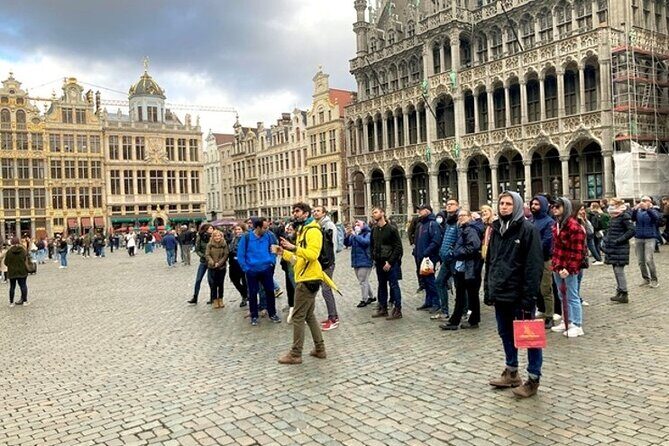
The real payoff of this tour is not the individual stops—it’s the order. You finish with a view from Mont des Arts, after seeing the city’s main square and playful symbol, plus a church tied to older social life. That gives you a base map in your head.
After you go, I’d use your guide’s tips immediately. If they suggested a place to eat or a neighborhood to wander, act on it while the tour details are fresh. If you learned a few restaurant or drink ideas, you’ll spend less time scrolling and more time tasting.
Since the tour does not include snacks or chocolate tasting, plan to eat on your own after. Keep it simple: pick one meal spot your guide mentioned and commit. You’ll get more enjoyment if you are not trying to make 20 decisions right after walking.
If you have a second day, this is also a strong warm-up. You’ll know which parts of the center you loved, and which ones you can revisit at a slower pace.
Should you book the Most Complete Tour Of Brussels?
Book it if you want a tight first-day overview and you like learning through walking stories. The tour’s structure hits the biggest Brussels icons—Grand Place, Manneken Pis, Sablon, and Mont des Arts—while keeping stop times short and free to enter. You are buying guidance, pacing, and practical recommendations, and the feedback suggests that guides often deliver exactly that.
Skip or reconsider if walking is an issue for you, since the tour includes a fair amount of movement across central streets. Also, go in knowing it is not an all-inclusive food experience. Snacks and chocolate tasting are not part of the plan, and the €15–30 voluntary contribution means the real “cost” comes at the end.
If you are ready for a guided orientation day, this is a smart value way to get your bearings in Brussels.