REVIEW · BRUSSELS
From Brussels: Bruges Private Tour
Book on GetYourGuide →Operated by Bravo Discovery · Bookable on GetYourGuide
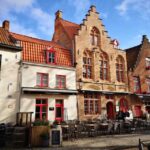
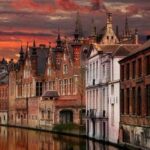
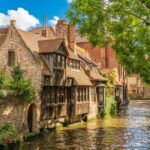
Bruges looks medieval because it is. This private tour threads the town’s top sights—UNESCO-listed streets, the big church landmark, and the quieter corners like the Beguinage—into a tight, easy-to-follow walk.
I especially like how the route balances major stops with calmer atmosphere. You’ll see the Burg Square and Our Lady of Bruges Church, then shift gears to places that feel more like an art postcard than a checklist. I also like that you can tailor the tour style to your group, whether you want lighter stories or more academic detail.
One thing to watch: the tour is short, and not everything is included. The canal boat trip costs extra, and any extra transport or tickets outside the walk may add up—so it’s smart to confirm what’s covered with your pickup plan.
In This Review
- Key Things You’ll Notice on This Tour
- Why Bruges Feels Like a Living Medieval Set
- Your 3-Hour Walk: How the Route Keeps Its Focus
- City Walls, Markets, and the Fast Way to Get Your Bearings
- UNESCO Bruges: Market Square, Burg Square, and the Center’s Meaning
- Our Lady of Bruges Church: The Landmark You’ll Remember
- Old St. John’s Hospital and the Human Side of Bruges
- Brewery ‘De Halve Maan’: Beer Country, Without the Fuss
- The Beguinage and the Lake of Love: Soft Quiet Time
- The Optional Canal Boat Trip: Worth It If You Want a Second Angle
- Price and Logistics: What $353 Gets You (and What Can Cost Extra)
- Choosing the Right Guide Moment: Languages and Pace
- Who This Private Bruges Tour Fits Best
- Should You Book This Bruges Private Tour?
- FAQ
- Where does pickup happen?
- How long is the tour?
- What is included in the price?
- What is not included?
- How much does the tour cost?
- What languages are available for the guide?
- Can the itinerary be adjusted?
Key Things You’ll Notice on This Tour
- UNESCO core on foot: you get the historic center logic, not random photo stops
- Big landmarks, then quiet stops: Burg Square and Our Lady of Bruges, followed by gentler areas
- Art-and-nobility era story: Bruges’ 15th-century pull on artists and nobles shapes what you see
- Optional canal boat ride: adds a different angle for a set fee
- Small private cap (20 people): easier pace control and better guide attention
Why Bruges Feels Like a Living Medieval Set
Bruges sits in northern Belgium, about 100 kilometers from Brussels, and it still wears its past on the outside. In the 15th century, it was a major port and a magnet for artists and nobles across Europe. That matters because it explains why you see so much craftsmanship, so many impressive buildings, and such a strong sense of “order” in the city layout.
What you’ll love is how this tour uses that background without drowning you in trivia. You’re not just looking at facades. You’re learning what made Bruges wealthy, what brought visitors in, and why the medieval look survived. The result is that your photos start to mean something.
Also, Bruges has a way of slowing your steps down—especially around squares and church areas. This tour leans into that. You’ll get a rhythm of bright, open spaces for orientation, then smaller lanes and garden-like pockets where the city feels more human.
Other private tours with a local we've reviewed in Brussels
Your 3-Hour Walk: How the Route Keeps Its Focus
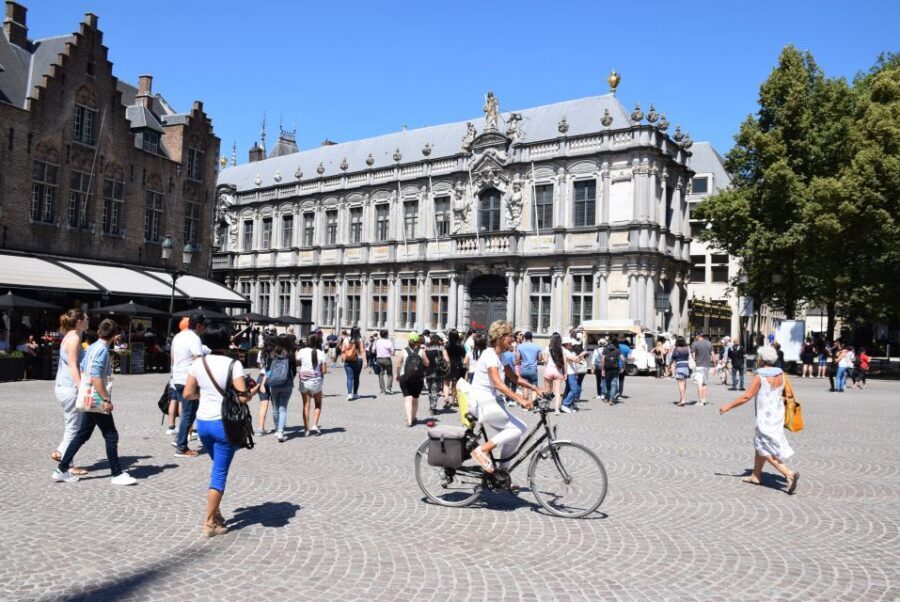
Three hours sounds short, but it’s the right length for Bruges if you want the highlights without turning into a stopwatch tourist. This tour is designed to move you through the city’s most important spots in a logical line, starting with outdoor orientation and then tightening into the core.
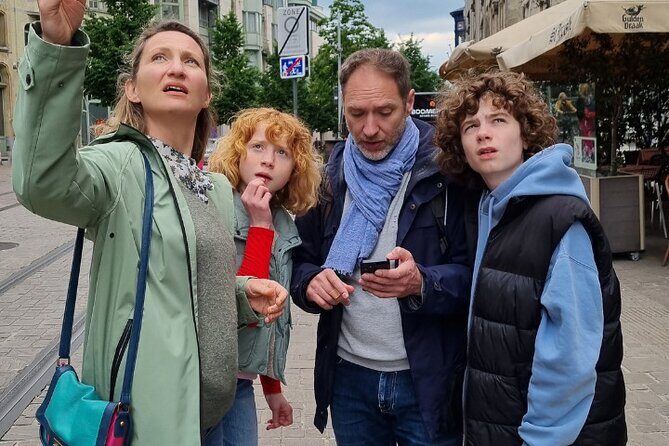
The group size is limited to 20, and it’s a private group. That’s not just a marketing point. In practice, it makes it easier for your guide to adjust pace, explain at the right level, and answer questions without the whole group getting lost behind the schedule.
Comfort matters too. The tour is walking-heavy, so bring comfortable shoes and don’t plan to do heavy museum hopping the same day. Bruges’ old streets are pretty, but they can be uneven, so you’ll want your feet ready.
City Walls, Markets, and the Fast Way to Get Your Bearings
A great Bruges visit starts with understanding where you are. This tour begins with that kind of orientation, including the ancient city wall park area and stops around key market zones.
Here’s why that’s valuable: Bruges isn’t huge, but it’s easy to get turned around when you’re chasing views or canals. Seeing the wall park area first helps your brain map the city boundaries. Then market and square stops give you the “center of gravity” points you’ll use all day.
You’ll also pass through places like the Markt and other central areas such as the VisMarkt. Those market streets are where Bruges’ medieval trading identity becomes visible in your imagination. Even if you don’t stop for every shop window, you’ll start to recognize the pattern—what’s open, what’s dense, what’s ceremonial.
A small practical tip: Bruges is famous for chocolate, beer, and canals, so it’s tempting to snack constantly. On a short tour, it’s usually better to save tastings for after your walk so you don’t run out of energy before the big scenic stops.
UNESCO Bruges: Market Square, Burg Square, and the Center’s Meaning
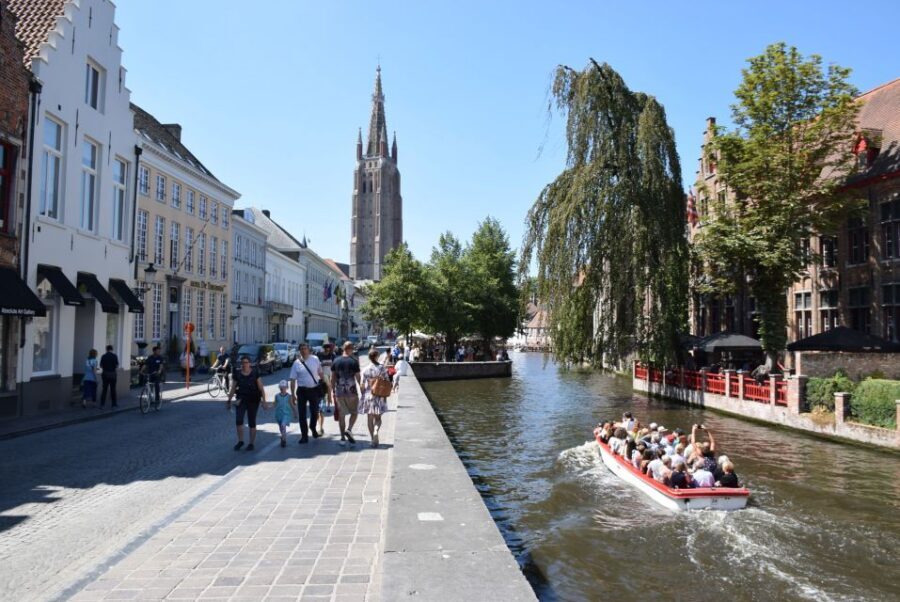
The heart of Bruges is a UNESCO World Heritage Site, and this tour uses that fact in a useful way: it treats the historic center like a system.
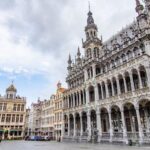
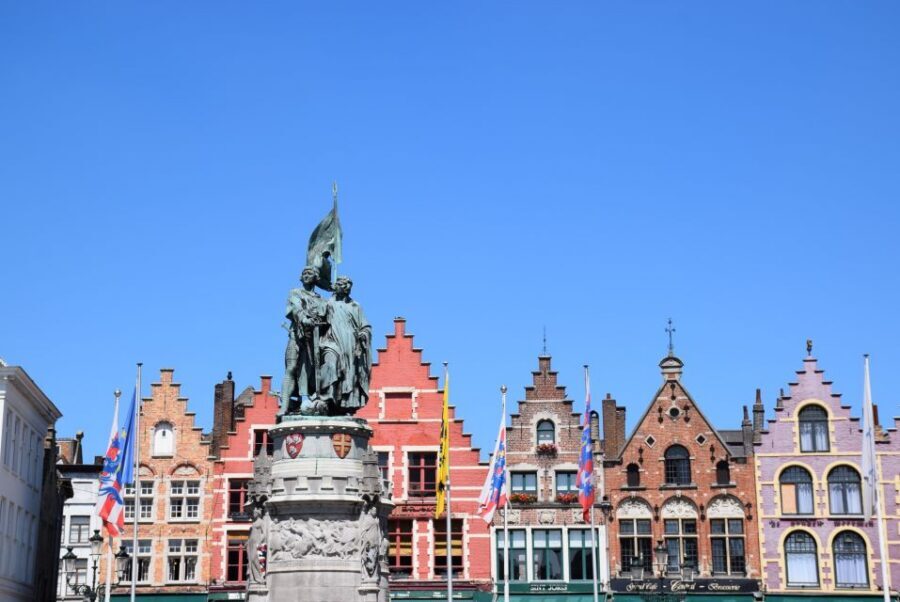
You’ll spend time around Market Square and Burg Square, the two anchor points that shape most visitor itineraries. The Market Square area helps you understand the civic and commercial Bruges model. Burg Square helps you understand the more official, power-and-ceremony side of the city.
This is one of my favorite kinds of tours: you get the “what” and the “why” in the same walk. When your guide connects buildings to the city’s role as a port and meeting point, you’ll notice details you’d otherwise ignore—architectural hints, street placement, and how the city makes public space feel intentional.
One bonus: your guide may include the GroeningeMuseum stop in the flow. Even if you don’t go inside (details depend on how the guide paces the tour), seeing the museum’s position helps connect Bruges’ reputation as an artist-friendly town to what you’re walking past.
Our Lady of Bruges Church: The Landmark You’ll Remember
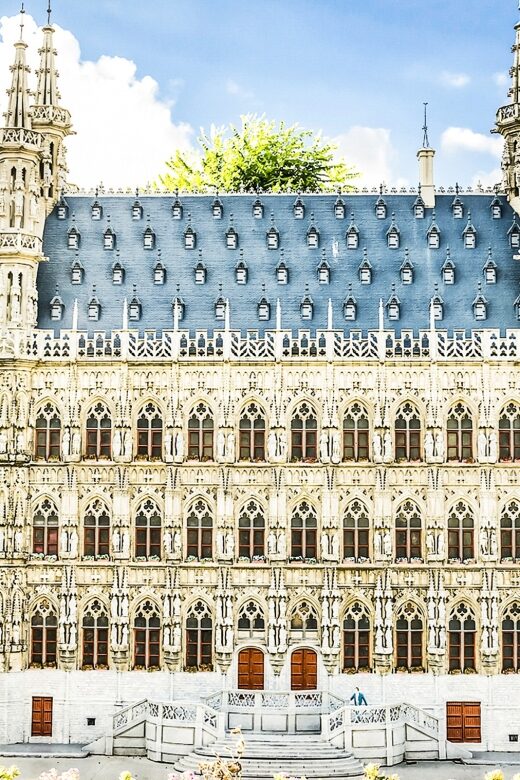
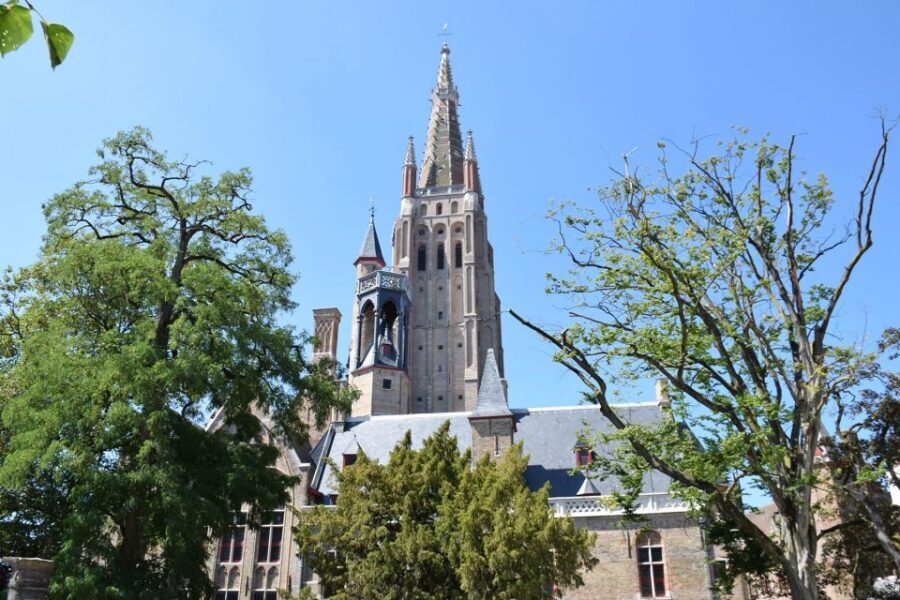
If Bruges were a book, the Our Lady of Bruges Church area is one of the most quoted chapters. The tour includes time looking at this landmark and connecting it to Burg Square.
This matters because church exteriors in Bruges aren’t just pretty. They reflect the city’s ambition and the kind of wealth that could support major construction. In a place that still looks medieval, the church becomes a vertical “anchor” when you’re surrounded by lower buildings and narrow lanes.
Expect your guide to point out the kinds of details you might miss when you’re just snapping pictures. The trick is learning what to focus on: not every stone, but the clues that explain why this church sits so centrally in the city story.
You’ll also take in the atmosphere around Burg Square—part open space, part dramatic backdrop. It’s one of the best places in Bruges to pause, breathe, and let the city feel like itself.
Other Bruges day trips we've reviewed in Brussels
Old St. John’s Hospital and the Human Side of Bruges
Bruges isn’t only about monuments. This tour includes Old St. John’s Hospital, which adds a stronger “people and institutions” layer.
That kind of stop is worth it because it balances the skyline. Hospitals, charities, and care institutions tell you something about how a wealthy trading city spent money and organized community life. It also gives your eyes a break from purely religious or purely civic visuals.
If you prefer tours that don’t feel like a straight line of churches and towers, this hospital stop helps. It’s also a good reset moment when the walking rhythm starts to feel repetitive.
You may also see the overall city wall park approach to this side of the center, which makes the transition feel smoother. The route is short enough that you stay engaged, but varied enough to keep Bruges from feeling like the same view again and again.
Brewery ‘De Halve Maan’: Beer Country, Without the Fuss
This tour includes a stop at Brewery ‘De Halve Maan’. Even if you’re not planning tastings right away, it’s a fun way to connect Bruges’ historic image to something still alive today.
Why it works on a short tour: it gives you a modern anchor point. Bruges is often sold as a medieval dream, but this reminder helps you remember the city didn’t stop moving. Beer culture, local traditions, and present-day craftsmanship are part of the same identity story.
If your group wants to stretch the experience, this is usually a good place to ask your guide how timing works for a tasting or photo pause. Just keep in mind that the tour duration is set, so don’t let “one quick stop” become an end-of-tour panic.
The Beguinage and the Lake of Love: Soft Quiet Time
One of the best parts of this tour is that it doesn’t only chase the loudest landmarks. You’ll visit the Beguinage and the Lake of Love—two spots that feel calmer and more personal.
The Beguinage is one of those places that changes your pace. Even in a short itinerary, it creates a contrast: from big square energy to a quieter, more reflective environment. It’s a great reminder that Bruges’ history isn’t only about power. It’s also about daily life, community, and the way people built sheltered spaces inside a busy city.
Then there’s the Lake of Love. It’s the kind of name that makes people expect a gimmick, but the value here is the feeling. You get open air, a different kind of scenery, and a natural place to wrap your mind around Bruges as a city that has both grand and gentle sides.
If you’re the type who likes photos, this is where you’ll get them without crowd chaos overwhelming the moment.
The Optional Canal Boat Trip: Worth It If You Want a Second Angle
There’s a canal boat trip possibility for an extra cost of €15. This is where your money can actually buy you a different experience, not just a different photo background.
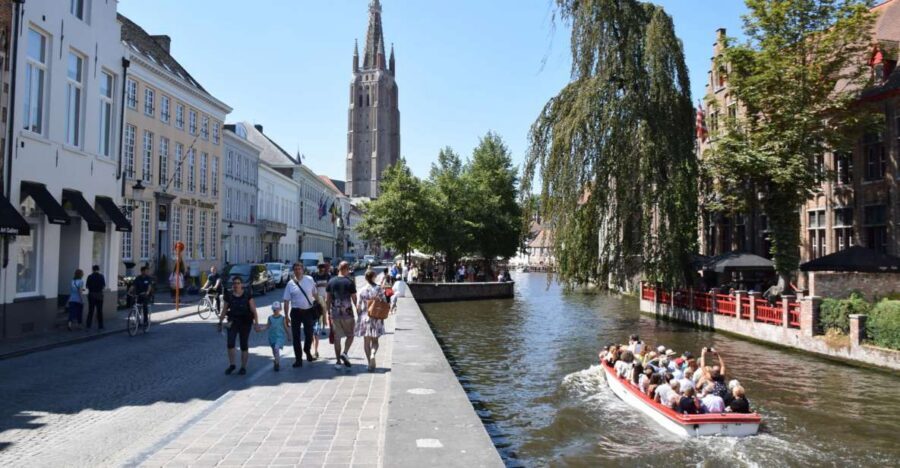
Canals are part of Bruges’ signature, and on foot you understand the city layout. A boat ride gives you the “in-between” perspective: the waterline view of buildings and the sensation of moving through the city’s natural channels.
Should you add it? If you’re the kind of traveler who loves water views and wants one “wow” moment beyond churches and squares, it’s a good add-on. If you’re short on time or energy, you might skip it and instead put that time toward browsing and snacks after the tour.
Price and Logistics: What $353 Gets You (and What Can Cost Extra)
This tour costs $353 per group, up to 20 people, and it lasts about 3 hours. That pricing structure is often good value if you’re traveling with family or friends and you want a guide instead of two or three separate tickets.
What makes the price feel more fair is that the tour includes a professional guide, and it’s private. You’re paying for translation-ready expertise in multiple languages and for someone to keep the route coherent while you’re walking.
Now the careful part: the boat trip isn’t included (it’s €15). Also, transports and tickets aren’t included. The pickup is included, but the exact pickup plan is defined with you, either in Bruges or Brussels.
A useful heads-up from past experiences: if your day plan includes extra transit beyond the walking tour, costs can pop up fast. So before you go, ask what your guide will handle versus what your group must pay for separately. It’s especially important if your pickup involves anything beyond meeting in the city center.
Choosing the Right Guide Moment: Languages and Pace
The tour offers live guiding in Spanish, English, French, German, Italian, Portuguese, Russian. That’s a big deal in Bruges. Even small local terms or architectural details can be clarified quickly if you’re in your comfort language.
Past bookings have highlighted guides such as David, Amryk, Bert, and Jeremías for doing exactly what you want from a private tour: strong history connections, friendly pacing, and practical guidance. At the same time, there are also reports of some tours running shorter than expected or guides who didn’t go deep enough on the city. That’s not a reason to avoid the tour, but it is a reason to set expectations clearly with your guide on day one.
If you care about depth, say so early. If you want a brisk highlight walk, say that too. Private is private—your guide’s job is to match the group’s energy.
Who This Private Bruges Tour Fits Best
This is a strong match if you want:
- The top sights of Bruges without building a self-guided itinerary
- A walk that mixes major landmarks with quieter areas
- A guide who can explain in your language
- A short, controlled experience rather than an all-day marathon
It’s especially good for couples, families with kids (the route is focused and adaptable), and small groups staying in Bruges or coming from Brussels. If you’re a first-timer, this tour helps you understand the city so you can roam afterward with better instincts.
If you’re the type who only enjoys museums and long indoor stops, you might want to add separate museum time, because this is built around walking and key sights rather than deep indoor sessions.
Should You Book This Bruges Private Tour?
I’d book it if you want Bruges in a clean package: UNESCO center highlights, church-and-square storytelling, and a nice mix that includes the Beguinage and Lake of Love. The group cap of 20 and the private format are practical advantages, and the optional canal boat trip is a simple way to add variety.
Skip or double-check before booking if:
- You expect major transportation elements beyond a straightforward meeting and walk
- You’re very sensitive to tight timing (the tour is about 3 hours, so plan your day around it)
- You’d rather do canals by yourself without an added fee, since the boat trip is extra
If you like your travel days structured but not rigid, this Bruges tour is a solid, low-stress way to see the city’s best sides quickly.
FAQ
Where does pickup happen?
Pickup is included, but the exact meeting point is to be defined with you, either in Bruges or Brussels.
How long is the tour?
The tour duration is 3 hours.
What is included in the price?
The included item listed is a professional guide.
What is not included?
The boat trip is not included (it costs €15). Transports (private bus or private car) and tickets are also not included.
How much does the tour cost?
The price is $353 per group, up to 20 people.
What languages are available for the guide?
Guiding is available in Spanish, English, French, German, Italian, Portuguese, Russian.
Can the itinerary be adjusted?
Yes. The itinerary can be arranged to suit your needs and preferences (for example, entertaining, academic, or professional).